
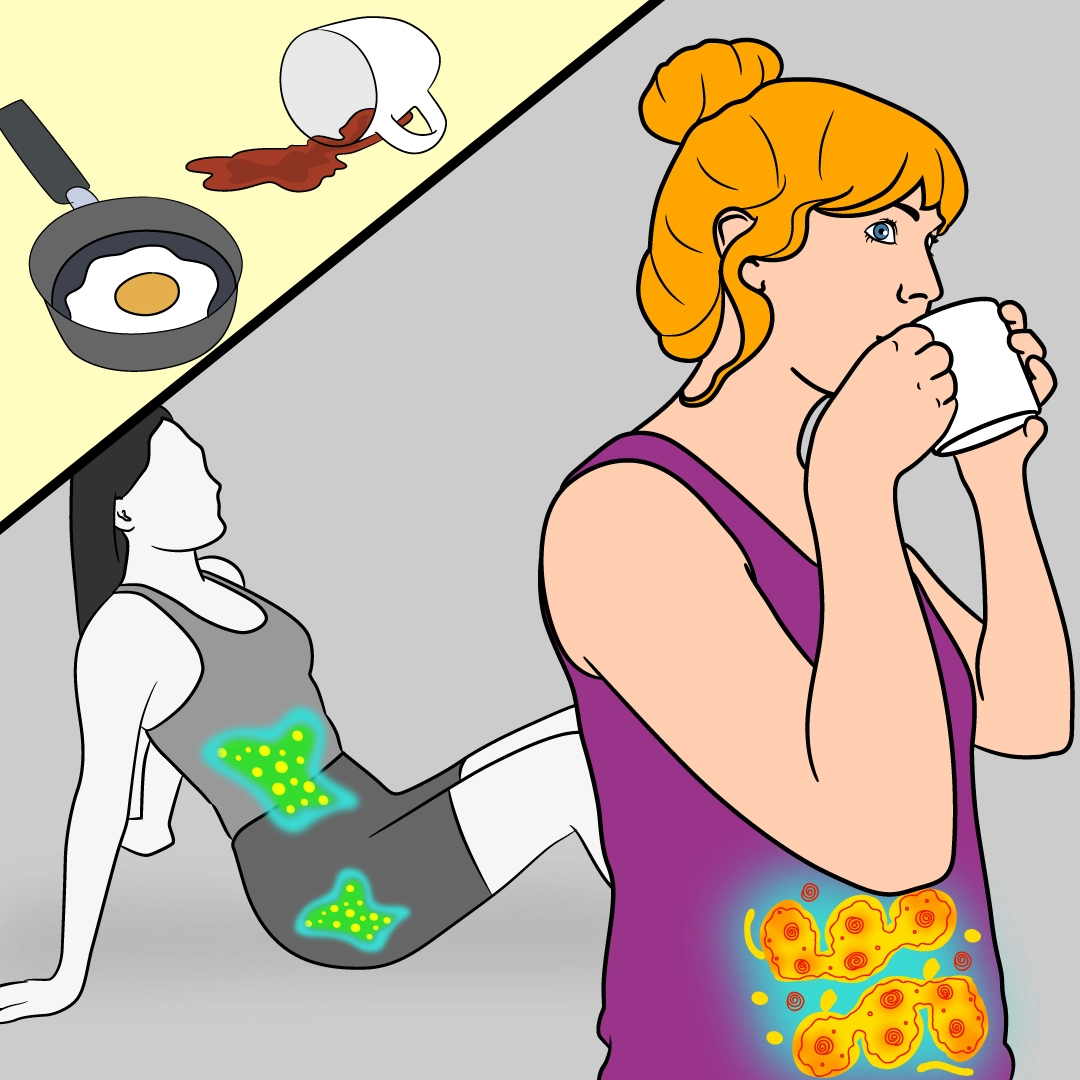
Most belly fat advice gets it completely wrong. Here’s what science actually shows works — and the one dietary shift that targets stubborn belly fat faster than almost anything else.
Let’s get one thing straight right away: belly fat is not just a cosmetic problem. The type of fat that accumulates around your waistline — called visceral fat — wraps around your internal organs and actively increases your risk of type 2 diabetes, heart disease, and metabolic syndrome. It’s the most dangerous fat in your body, and it’s also, frustratingly, one of the hardest kinds to shift.
Standard advice — eat less, move more — is technically correct but practically useless for most people because it ignores the underlying hormonal and metabolic reasons belly fat accumulates in the first place. If you’ve been cutting calories and still not shifting your belly, this article is for you. Because the research now points very clearly to one approach that targets visceral belly fat more effectively than almost any other: the ketogenic diet.
- 77% Of belly fat loss is determined by what you eat, not exercise
- 3x More belly fat lost on keto vs low-fat diets in studies
- Week 1 Most keto dieters see measurable changes in the first week
- 92% Of custom keto users achieved their target weight in research
The Real Reason You Can’t Lose Belly Fat
😔 Sound Familiar?
You’ve tried cutting back on food. You’ve walked more, maybe even hit the gym for a while. The scale moves a little — but the belly fat stubbornly stays. Weeks pass. The frustration builds. You start wondering if there’s something broken in your metabolism. There isn’t. But there is something important you’re probably missing about how belly fat actually works.
Belly fat — specifically visceral fat — behaves differently from fat stored elsewhere on your body. It’s highly responsive to one hormone in particular: insulin. Every time you eat carbohydrates, your blood sugar rises and your pancreas releases insulin to manage it. Insulin is essentially a fat-storage signal. When insulin is chronically elevated — which it is in most people eating a standard Western diet — your body is biologically locked into fat-storage mode, regardless of how little you eat or how much you exercise.

This is the fundamental reason why calorie restriction alone often fails for belly fat. You can eat less and still have elevated insulin — particularly if most of your calories come from carbohydrates. And as long as insulin is elevated, visceral fat stays stubbornly in place. The solution isn’t eating less. The solution is changing what you eat to lower insulin consistently — and that’s exactly what the ketogenic diet does.
⚠️ The Calorie Counting Trap Research from Stanford, Harvard, and multiple European institutions consistently shows that people lose significantly more belly fat on low-carbohydrate diets than on calorie-restricted low-fat diets — even when total calories are equal. This is direct evidence that belly fat responds primarily to the type of food you eat, not just the quantity.
Why Keto Targets Belly Fat Differently Than Other Diets
The ketogenic diet is a low-carbohydrate, high-fat eating approach that fundamentally changes your body’s primary fuel source. Instead of running on glucose from carbohydrates, your body shifts into a metabolic state called ketosis — where it burns fat (including your stored belly fat) as its primary energy source.
01 It Dramatically Lowers Insulin
By eliminating most carbohydrates, keto keeps insulin at consistently low levels. This removes the biological lock on fat storage and signals your body to begin releasing stored fat — starting with the metabolically active visceral fat around your abdomen — as fuel.
02 It Puts Your Body into Fat-Burning Mode 24/7
In ketosis, your liver converts fat into ketone bodies that power your brain and muscles. Unlike glucose metabolism, which only burns fat intermittently, ketosis means your body is running on fat — your stored belly fat — around the clock, even while you sleep.
03 It Targets Visceral Fat Specifically
Multiple clinical trials show that ketogenic diets reduce abdominal trunk fat disproportionately compared to overall weight loss. Visceral fat is mobilised first in ketosis because it is the most metabolically active fat depot — your body accesses it more readily as a fuel source.
04 It Kills Hunger Without Willpower
Fat and protein are far more satiating than carbohydrates. Most keto dieters report dramatically reduced hunger and cravings within the first few days — not because they’re white-knuckling it through starvation, but because ketones themselves suppress the hunger hormone ghrelin.
05 It Reduces the Cortisol-Belly Fat Cycle
Blood sugar swings from carb-heavy meals spike cortisol — the stress hormone directly linked to abdominal fat accumulation. The stable blood sugar that keto produces significantly reduces cortisol fluctuations, breaking the hormonal cycle that keeps belly fat in place.
06 It Works Without Counting Every Calorie
Because ketosis naturally suppresses appetite and stabilises blood sugar, most people on keto eat less overall without trying. The result is effortless calorie reduction — not through restriction, but through the elimination of the blood sugar rollercoaster that drives constant hunger.
Read More: Trim Your Belly with Zero Exercise: Discover the Fastest Way to Lose Belly Fat!
What the Research Actually Shows
🔬 The Clinical Evidence for Keto and Belly Fat
A landmark study published in the Journal of Clinical Endocrinology & Metabolism compared ketogenic and low-fat diets in overweight adults over 24 weeks. The keto group lost significantly more total body weight, more body fat percentage, and — most critically — significantly more abdominal trunk fat than the low-fat group, despite consuming similar total calories.
A separate meta-analysis reviewing 13 randomised controlled trials found that low-carbohydrate diets reduced visceral adipose tissue (belly fat) more than any other dietary intervention studied, including Mediterranean and low-fat diets. The Harvard School of Public Health has described low-carbohydrate approaches as among the most effective dietary strategies for targeting metabolically dangerous abdominal fat. In a 6-month research study by the custom keto diet programme, 92% of participants achieved their ideal weight using a personalised keto approach and successfully maintained it thereafter.
💡 Why “Eat Less, Move More” Often Fails for Belly Fat Calorie restriction without carbohydrate reduction keeps insulin elevated — meaning your body continues prioritising fat storage even in a calorie deficit. This is why people often lose weight from arms and face first, while stubborn belly fat remains. Lowering carbohydrate intake directly addresses the hormonal driver of visceral fat accumulation in a way that calorie restriction alone cannot.
How the Keto Diet Burns Belly Fat — Step by Step
Understanding the mechanism helps you trust the process and stay consistent when the initial adjustment feels challenging:
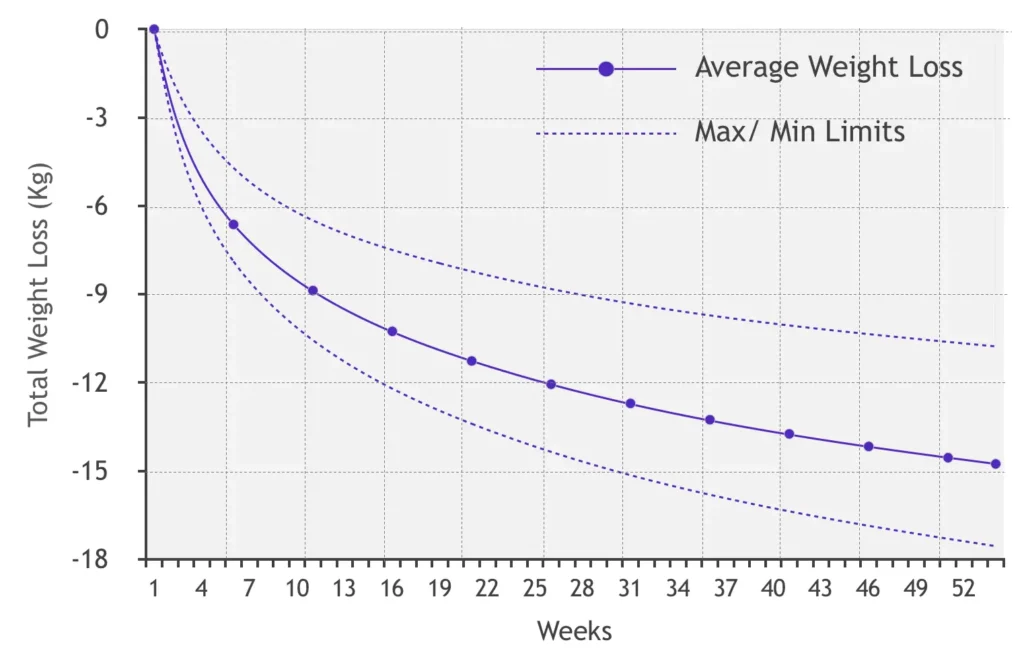
Day 1–3
Glycogen Depletion Phase
Your body uses up stored glucose (glycogen) from muscles and liver. You may feel slightly fatigued or foggy — this is temporary and a sign the metabolic switch is beginning. You’ll also notice rapid initial weight loss as water stored with glycogen is released.
Day 3–7
Entering Ketosis
Your liver begins producing ketone bodies from fat. Hunger drops noticeably. Mental clarity often improves. Your body is now burning fat — including visceral belly fat — as its primary fuel. Most people first notice reduced bloating and a flatter abdomen at this stage.
Wk 2–4
Fat Adaptation Beginning
Energy levels stabilise and improve. Belly fat is being mobilised and burned consistently. Most people lose 1–3 lbs per week at this stage from genuine fat loss. Cravings for carbohydrates significantly reduce as your appetite hormones recalibrate.
Mo 2–3
Full Fat Adaptation & Visible Results
Your metabolism is now fully adapted to running on fat. Measurable reductions in waist circumference, improved energy, clearer skin, and better sleep are commonly reported. Blood sugar and insulin levels drop significantly, further accelerating visceral fat loss.
🔥 Free 7-Day Keto Plan🎯 Built Around Your Food Preferences⭐ 92% Success Rate in Research
Ready to See What Keto Can Do for Your Belly Fat in Just 7 Days?
Take the 1-minute quiz to get your FREE personalised keto diet plan — built around the foods you actually enjoy, your activity level, and your weight loss goal. No guesswork. No generic meal plans. Just a proven system tailored to you.
🎯 Here’s How It Works — Takes Under 60 Seconds:
- Select your gender and current activity level
- Choose which foods you want included (meats, fish, veggies, and more)
- Enter your goal weight and timeline
- Receive your fully personalised 7-day keto meal plan instantly — free
92% Success rate in research study
7 Days Free personalised plan
60 sec Quiz takes under 1 minute
✔ Completely free to start · ✔ No catches or gimmicks · ✔ Personalised to your food preferences
Proven Benefits of Keto Beyond Just Losing Weight
Belly fat loss is the headline benefit — but the keto diet delivers a range of secondary improvements that make the transformation feel comprehensive rather than just cosmetic:
Stable, Sustained Energy
Without the blood sugar spikes and crashes from carbohydrates, energy levels become remarkably consistent throughout the day. Most keto dieters report no more 3pm energy slumps within 2–3 weeks of starting.
Sharper Mental Clarity
Ketones are a more efficient fuel for the brain than glucose. People consistently report improved focus, faster thinking, and reduced brain fog — particularly noticeable after the initial adaptation period.
Improved Blood Sugar Control
By dramatically reducing carbohydrate intake, keto stabilises blood glucose and reduces insulin resistance — the root driver of both belly fat accumulation and type 2 diabetes progression.
Better Cardiovascular Markers
Keto typically increases HDL (good) cholesterol, reduces triglycerides, and improves LDL particle size — three of the most important markers of cardiovascular health that are often worsened by high-carbohydrate diets.
Deeper, More Restful Sleep
Stable blood sugar overnight prevents the cortisol spikes that disrupt sleep. Many keto dieters report significantly improved sleep quality — which in turn further accelerates fat loss through hormonal optimisation.
Reduced Inflammation
Ketogenic diets have been shown to reduce markers of systemic inflammation significantly. Since chronic inflammation is one of the underlying drivers of visceral fat accumulation, this creates a compounding fat-loss effect over time.
What to Eat and What to Avoid on Keto
The keto diet is simpler than most people expect once you understand the fundamental rule: keep carbohydrates to approximately 20–50g per day, prioritise healthy fats and quality proteins, and let the biology do the rest.
| Food Category | Keto-Friendly Options | Status |
|---|---|---|
| Proteins | Beef, chicken, salmon, eggs, sardines, turkey, lamb, shrimp, crab, lobster | ✔ Eat Freely |
| Healthy Fats | Avocado, olive oil, butter, coconut oil, MCT oil, nuts, full-fat dairy | ✔ Eat Freely |
| Low-Carb Vegetables | Spinach, kale, broccoli, cauliflower, zucchini, celery, mushrooms, bell pepper | ✔ Eat Freely |
| Berries (in moderation) | Blueberries, strawberries, raspberries — small portions only | ⚠ Limited |
| Grains & Starchy Carbs | Rice, wheat, oats, corn, pasta, bread, quinoa | ✘ Avoid |
| Sugar & Sweetened Foods | Soda, candy, cakes, pastries, fruit juices, most sauces | ✘ Avoid |
| High-Sugar Fruits | Bananas, grapes, mangoes, pineapple, apples, oranges | ✘ Avoid |
| Legumes | Beans, lentils, chickpeas (high carb content) | ✘ Avoid or Minimise |
✅ The Easiest Way to Build Your Keto Meal Plan One of the biggest barriers to starting keto is not knowing what to cook or how to build meals you’ll actually enjoy. The Keto Creator quiz builds a fully personalised plan around the specific foods you like — including your preferred meats, fish, vegetables, and even how you prefer to eat fruit. It removes every excuse not to start.
Real Results — What to Expect Week by Week
Here’s what a realistic keto journey looks like for belly fat reduction — based on the experience of thousands of people who have completed the custom keto programme:
“I’d tried every diet going — Weight Watchers, calorie counting, even a personal trainer. Nothing touched my belly. Within 10 days of starting keto I could see the difference in the mirror. By week six, I’d lost 16 pounds and two dress sizes off my waist. The plan was built around foods I actually love — that’s what made it stick.”
Jennifer M.
42, Teacher — lost 16 lbs in 6 weeks
★★★★★✔ Verified
“I was skeptical because I love food too much for any diet. But this wasn’t like any diet I’d been on. The food was genuinely good — salmon, steak, avocado. I wasn’t hungry. And the belly fat that had been sitting there for ten years started disappearing within two weeks. I’m down 22 pounds after three months and I’m not going back.”
David R.
51, Sales Manager — lost 22 lbs in 3 months
★★★★★✔ Verified
“I have type 2 diabetes and my doctor had been warning me about my belly fat for years. I started the keto plan in January. By March, I’d lost 18 pounds, my blood sugar was the best it had been in a decade, and my doctor reduced one of my medications. The personalised plan meant I didn’t have to guess what to eat.”
Sandra L.
58, Retired — lost 18 lbs, improved blood sugar
★★★★★✔ Verified
🆓 Completely Free to Start🥩 Personalised to Your Food Preferences🔥 Start Burning Belly Fat This Week
Take the 7-Day Keto Challenge — Get Your Free Personalised Plan in 60 Seconds
Stop guessing. Stop struggling with generic diet advice that ignores how your body actually works. Take the 1-minute quiz and get a completely free, fully personalised keto meal plan built around the exact foods you enjoy. 92% of people who complete the custom plan achieve their target weight. You could be next.
✅Custom meal plan built around your favourite foods
✅Targets stubborn belly fat through ketosis
✅No hunger — fat and protein keep you satisfied
✅Works even without any exercise
✅Results visible in the first 7–10 days
✅92% success rate in a 6-month research study
- 60 sec Quiz takes 1 minute
- 92% Achieved ideal weight
- Week 1 See first results
✔ No catches · ✔ No gimmicks · ✔ Start burning belly fat this week
Frequently Asked Questions
-
What is the fastest way to lose belly fat without exercise?
The most effective dietary approach for losing belly fat without exercise is a low-carbohydrate ketogenic diet. By dramatically reducing carbohydrate intake, you lower insulin levels — the primary hormonal driver of visceral fat storage. In ketosis, your body switches to burning stored fat (including belly fat) as its main fuel source, 24 hours a day. Clinical trials consistently show that ketogenic diets reduce abdominal fat more effectively than low-fat, calorie-restricted diets — even without adding exercise. Supporting habits include improving sleep quality (poor sleep raises cortisol, which promotes belly fat), managing stress, staying well hydrated, and eating whole, unprocessed foods. But if there’s one change that makes the biggest difference to belly fat specifically — it’s cutting carbohydrates and entering ketosis.
-
Does the keto diet really work for belly fat loss?
Yes — and this is one of the areas where the clinical evidence is strongest. Multiple randomised controlled trials have shown that ketogenic and low-carbohydrate diets reduce abdominal trunk fat (visceral fat) significantly more than low-fat diets over the same time period, even when total calories are similar. The mechanism is well understood: lowering carbohydrates reduces insulin, which unlocks fat stores and shifts the body into a fat-burning metabolic state (ketosis). Visceral belly fat is particularly responsive to this hormonal change because it is the most metabolically active fat depot in the body. Research published in leading nutrition journals consistently supports keto as among the most effective dietary interventions for reducing dangerous abdominal fat.
-
How long does it take to see belly fat results on keto?
Most people notice changes in bloating and abdominal fullness within the first week — partly due to glycogen and water loss, and partly due to reduced gut inflammation from eliminating processed carbohydrates. Genuine fat loss becomes visible from weeks 2–4, with measurable reductions in waist circumference typically noticeable by the end of the first month of consistent keto eating. More significant transformations — including meaningful reductions in visceral fat — are generally apparent at the 6–12 week mark. Individual results vary based on starting weight, degree of carbohydrate restriction, sleep quality, stress levels, and metabolic health. A personalised keto plan that accounts for your specific body and food preferences significantly improves both results and adherence.
-
What is the keto diet and how does it work?
The ketogenic (keto) diet is a very low-carbohydrate, high-fat eating approach that shifts your body from burning glucose (from carbohydrates) to burning fat as its primary fuel source. Typically, keto involves eating less than 20–50g of carbohydrates per day, with calories coming primarily from healthy fats and adequate protein. When carbohydrate intake is this low, your liver produces molecules called ketone bodies from fat — entering a metabolic state called ketosis. In ketosis, your body burns stored fat (including visceral belly fat) for energy continuously. The diet reduces insulin levels, suppresses hunger hormones, improves blood sugar stability, and creates a metabolic environment that is highly conducive to fat loss — particularly in the abdominal region.
-
Is the keto diet safe for everyone?
The ketogenic diet is safe and well-tolerated for the majority of healthy adults. It has been used clinically for over a century (originally for epilepsy management) and is now extensively studied for weight loss, metabolic health, and cardiovascular risk reduction. However, some people should consult a doctor before starting keto — including those with type 1 diabetes (risk of ketoacidosis), people with kidney disease (protein and fluid considerations), those on diabetes medications like insulin or SGLT2 inhibitors (dosage may need adjustment as blood sugar improves), people with a history of pancreatitis, and anyone who is pregnant or breastfeeding. For the vast majority of people wanting to lose belly fat and improve metabolic health, keto is not only safe but is one of the most evidence-backed dietary approaches available.
-
What is a custom keto diet plan and why does it work better?
A custom keto diet plan is a personalised meal plan built around your specific food preferences, activity level, body composition goals, and dietary needs — rather than a one-size-fits-all approach. The biggest reason people fail on diets is not lack of willpower — it’s being given food plans that don’t match what they actually like to eat. A custom plan that includes your preferred proteins (beef, chicken, salmon, etc.), vegetables, and flavour profiles dramatically improves adherence and enjoyment. The Keto Creator quiz builds a tailored plan in under 60 seconds by asking about your food preferences across meat, fish, vegetables, and other categories — then generates a personalised 7-day meal plan that puts you into ketosis using foods you genuinely enjoy. This is the single biggest predictor of whether a dietary approach succeeds long-term.
-
Can keto diet reduce cortisol and belly fat caused stress?
Yes — and this is an underappreciated benefit of keto that’s particularly relevant for people who gain weight around their belly during stressful periods. Cortisol (the primary stress hormone) is directly linked to visceral fat accumulation — cortisol literally signals fat cells in the abdomen to store more fat. High-carbohydrate diets worsen this cycle because blood sugar spikes from carbohydrates trigger additional cortisol release. By stabilising blood glucose throughout the day, the keto diet significantly reduces blood sugar-driven cortisol spikes. Combined with improved sleep quality (which keto also supports), this creates a hormonal environment far less conducive to abdominal fat storage. For people who notice their belly fat is worst during high-stress periods, the cortisol-stabilising effect of keto can be particularly impactful.
🔥 The Bottom Line
If you’ve been fighting stubborn belly fat with calorie counting, cardio, and willpower — and it’s not working — it’s not your fault. It’s the approach. Belly fat responds to hormones, not just calories. And the most powerful dietary tool for changing those hormones is the ketogenic diet.
The research is consistent, the mechanism is well understood, and the results for hundreds of thousands of people who have taken the keto approach speak for themselves. The only question is whether you’re ready to try it for yourself — and with a free personalised plan, there’s genuinely nothing to lose except the belly fat.
Free to start · No credit card · Personalised to your food preferences · 60-second quiz