
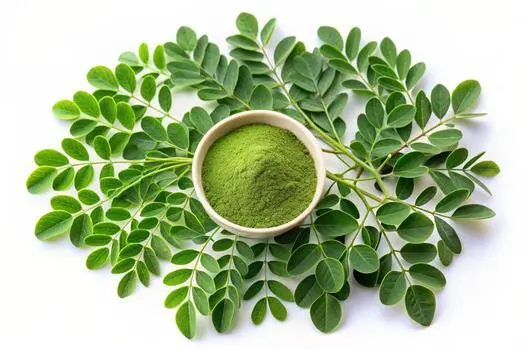
If you’ve scrolled past a green powder labeled “moringa” at the health store, or seen it called the “miracle tree” online, you’ve probably wondered if it’s actually worth trying. It’s a fair question, since a lot of superfood trends promise way more than they deliver.
So let’s go through this one honestly. What moringa actually is, what the research really supports, what it doesn’t, and how to use it without overdoing it.
What Is Moringa, Exactly?
Moringa comes from Moringa oleifera, a tree native to South and Southeast Asia that’s been used in traditional medicine for centuries. While the tree produces leaves, seeds, pods, and even bark, the leaves are by far the most studied and most commonly used part.
It has a mild, earthy taste, a bit like spinach or arugula with a grassy edge. Not unpleasant, just distinct.
What’s Actually In It (Ingredients in Moringa)
Moringa leaves pack in a genuinely impressive nutrient list:
- Vitamins A, C, and E
- Calcium and potassium
- Fiber and plant protein
- Antioxidants that help neutralize free radicals
Free radicals are unstable molecules that damage cells over time. That kind of damage, called oxidative stress, is linked to aging and conditions like diabetes and heart disease. Antioxidants help protect cells against that damage, and moringa has a solid amount of them.
It also contains plant compounds with anti-inflammatory effects, which is part of why it gets so much attention in wellness circles.
Also Read: What Is the 30 Second Cherry Trick for Sleep — And Does It Actually Work?
Science-Based Benefits of Moringa
Here’s where it’s important to separate hype from evidence. According to Dr. Anna B. Shannahan, a family medicine and integrative medicine physician, moringa has emerging but limited clinical evidence behind it. The strongest support right now points to blood sugar management, antioxidant activity, and general immune and nutritional support.
Blood sugar
Some compounds in moringa leaf extract may help the body process sugar more efficiently after meals, which could support healthier glucose levels over time.
Cholesterol and heart health
A few studies show moringa may help lower blood cholesterol, which plays into overall cardiovascular health. Combined with its potential to support healthy blood pressure, this makes moringa an interesting, though not proven, addition for heart health.
Energy support
Thanks to its vitamin, mineral, and amino acid content, moringa may help reduce fatigue and support steady energy levels.
Immune support
Its antioxidant content may help the body manage stress and fight off infections more effectively.
Inflammation
Polyphenols in moringa may help calm the body’s inflammatory response, which is tied to a wide range of chronic health issues.
Notice the pattern here: “may help,” not “cures” or “guarantees.” That’s intentional. The research is promising, not definitive.
Curious What Moringa Seeds Look Like in Action?
Watch how one moringa-based formula turns these seed nutrients into a simple daily routine — in under 3 minutes.
 Video thumbnail — add later
2:30
Video thumbnail — add later
2:30
60-day money-back guarantee
*Supports levels already within normal range. This post contains an affiliate link — we may earn a commission at no extra cost to you. Statements have not been evaluated by the FDA. Not intended to diagnose, treat, cure, or prevent any disease.
Moringa Seeds Benefits: A Different Story Than the Leaves
This is where a lot of online content gets sloppy. Most of the research and safety data on moringa is specific to the leaves, not the seeds, roots, or bark.
Moringa seeds are used traditionally in some cuisines and even for water purification in certain regions. They do contain oils and some nutrients of their own. But their phytochemical makeup and safety profile are genuinely different from the leaves, and there’s far less research backing specific health claims for seeds compared to leaf powder.
If you come across a product built around moringa seeds promising big benefits, take it with a grain of salt. The evidence just isn’t as solid there yet.
Moringa and Liver Detox: Myth or Fact?
This keyword comes up a lot, so let’s tackle it directly. Your liver already detoxifies your body on its own, that’s literally its job, and no food or supplement “detoxes” it in the dramatic way marketing often implies.
What’s actually true is more modest: moringa’s antioxidant content may help reduce oxidative stress, which is one factor tied to liver health over time. That’s a supportive role, not a cleanse or a reset button. If a product claims moringa will “flush toxins” from your liver in a few days, that’s marketing language outrunning the science.
What Forms Does Moringa Come In?
You’ll typically find moringa as:
- Powder (dried, ground leaves, the most common and most studied form)
- Capsules or supplements
- Tea or liquid extracts
- Fresh leaves
Leaf powder holds onto the fullest range of nutrients and has the most research behind it, which is why it’s usually the go-to recommendation.
Moringa Powder Usage: How to Add It to Your Daily Routine
The easiest way to try moringa is to start small and see how your body responds. A few simple ways people work it into daily life:
- Stir it into a smoothie or juice
- Mix it into oatmeal
- Add it to soups or sauces
- Brew it as a tea
There’s no single “correct” amount that works for everyone. Many people take about 1 to 2 teaspoons of powder a day, but this varies based on the individual and the specific product. Since supplements aren’t regulated the same way medications are, it’s worth sticking to the label instructions, choosing a reputable brand with third-party testing, and easing in gradually rather than starting with a large dose.
Talking to your doctor before starting is a genuinely good idea, especially since there’s no universally agreed-upon standard dose.
Moringa Side Effects to Know About
For most healthy people, moringa is well tolerated when taken as directed. But taking too much, or using a low-quality product, can raise the risk of a few issues:
- Digestive discomfort, like nausea, diarrhea, or an upset stomach
- Changes in blood sugar, which matters more if you already have diabetes
- Lower blood pressure, especially if you’re already on blood pressure medication
- Interactions with certain medications
- Effects on thyroid function, particularly if you’re iodine deficient
- Allergic reactions, though these are rare
Since dietary supplements don’t go through FDA approval the way medications do, product quality varies a lot. Moringa is also known to absorb heavy metals from the soil it’s grown in, so sourcing from a reputable, third-party-tested brand genuinely matters here, not just as a nice-to-have.
Caution With Moringa: Who Should Talk to a Doctor First
It’s worth checking with your doctor before adding moringa to your routine if you:
- Take medication for high blood pressure or diabetes
- Take blood thinners
- Are pregnant or breastfeeding
- Manage a chronic condition like heart disease
Moringa isn’t a substitute for prescribed treatment. It’s a supplement, not a replacement for medical care your doctor has already recommended.
Moringa Myths vs. Facts
Myth: Moringa is a cure-all.
Fact: It may support general health, but it doesn’t cure or treat disease. Treat it as a supporting player, not a solution on its own.
Myth: More is always better.
Fact: Higher doses don’t automatically mean better results. In fact, they raise your risk of side effects like stomach upset or medication interactions.
Myth: It can replace healthy habits.
Fact: Moringa works best alongside a solid diet, regular movement, and decent sleep, not instead of them.
Frequently Asked Questions
-
Is moringa good for daily use?
For most healthy adults, yes, when taken in reasonable amounts and from a quality-tested product. Starting small and paying attention to how your body responds is the safest approach.
-
What are the main moringa leaf benefits?
The leaves are rich in vitamins A, C, and E, along with calcium, potassium, fiber, protein, and antioxidants. Current research points most consistently to support for blood sugar management, antioxidant activity, and general immune health.
-
Are moringa seeds as beneficial as the leaves?
Not based on current evidence. Seeds have a different nutrient and risk profile, and far less research supports specific health claims for them compared to leaf powder.
-
Does moringa really detox the liver?
Not in the dramatic way it’s often marketed. Your liver detoxifies itself naturally. Moringa’s antioxidants may offer some supportive benefit, but it’s not a cleanse or quick fix.
-
What’s the right moringa powder dosage?
There’s no universal standard, though many people use around 1 to 2 teaspoons daily. It’s best to start low, follow product labeling, and check with your doctor for personalized guidance.
-
What side effects should I watch for?
Digestive upset, blood sugar or blood pressure changes, and potential medication interactions are the main things to watch, especially at higher doses or with lower-quality products.
-
Who should avoid moringa or use extra caution?
People on blood pressure or diabetes medication, those on blood thinners, pregnant or breastfeeding individuals, and anyone managing a chronic condition should talk to a doctor first.
Curious What Moringa Seeds Look Like in Action?
Watch how one moringa-based formula turns these seed nutrients into a simple daily routine — in under 3 minutes.
Video thumbnail — add later
2:30
60-day money-back guarantee
*Supports levels already within normal range. This post contains an affiliate link — we may earn a commission at no extra cost to you. Statements have not been evaluated by the FDA. Not intended to diagnose, treat, cure, or prevent any disease.
The Bottom Line
Moringa isn’t a miracle cure, but it isn’t nothing either. The leaves carry a genuinely strong nutrient profile, and early research supports modest benefits for blood sugar, antioxidant activity, and general wellness. The key is realistic expectations: start with a small amount, choose a well-tested product, skip the “detox” hype, and loop in your doctor if you’re on medication or managing a health condition. Used thoughtfully, it can be a sensible, low-risk addition to an already healthy routine, not a replacement for one.