
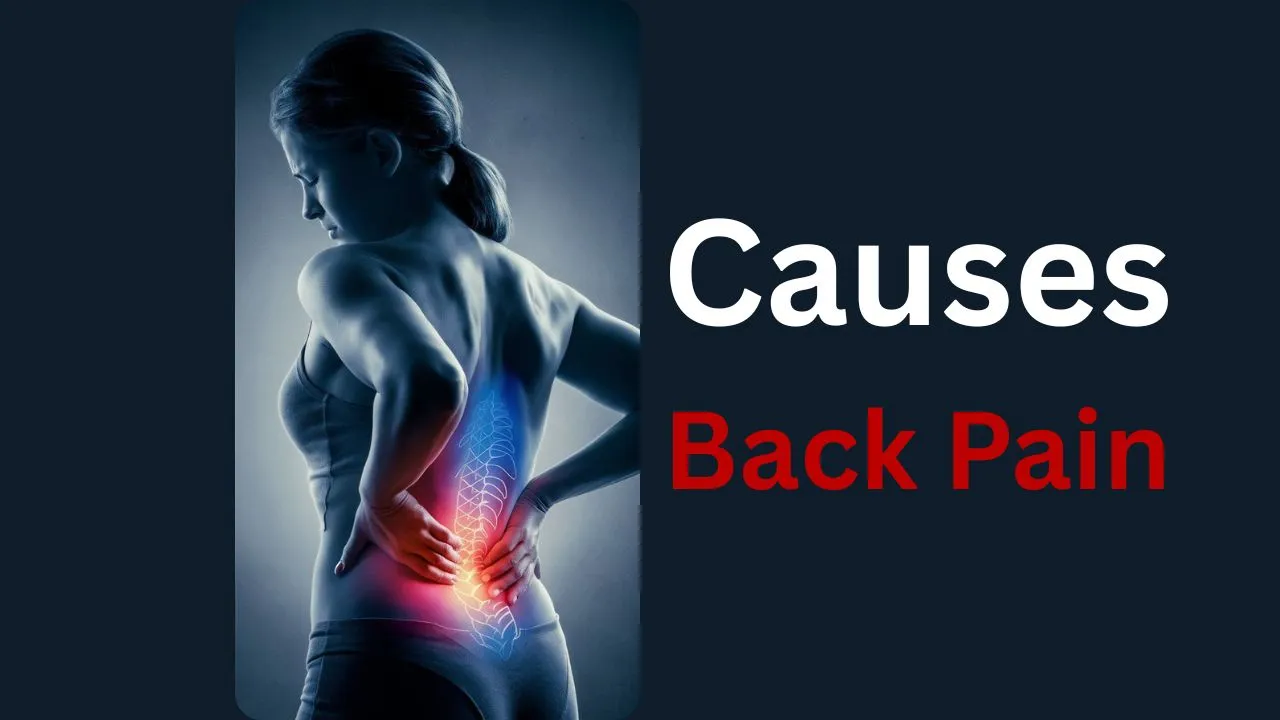
Back pain hits women differently — and the reasons are more complex than most articles admit. Here’s the honest, science-backed guide to understanding why it happens and what genuinely helps.
Back pain is the number one cause of disability worldwide — and women bear a disproportionate share of it. Studies consistently show that women experience back pain more frequently, more intensely, and for longer durations than men. Yet most generic back pain articles treat both sexes identically and miss the real story entirely.
The truth is that back pain in women has distinct causes that are directly tied to hormonal fluctuations, reproductive anatomy, pregnancy, and the physiological demands of a female body across different life stages. Understanding these causes isn’t just interesting — it’s the difference between finding relief that works and spending years managing symptoms that never fully go away. This guide covers both sides: what’s actually driving your back pain and the relief methods that work best for women specifically.
- 67% Of women experience back pain at some point in their lives
- 3x More likely to develop chronic pain after an acute episode vs men
- 80% Of pregnant women report significant back pain
- Diet+ Exercise is the most effective non-medical combination for relief
Why Back Pain Is Different for Women
Men and women share the same basic spinal anatomy — but the similarities largely end there. Several biological factors make women uniquely vulnerable to specific types of back pain, and some causes of back pain simply don’t apply to men at all.
Women’s pelvic structure is wider and more forward-tilted than men’s, altering spinal load distribution. Estrogen and progesterone — hormones that fluctuate dramatically through the menstrual cycle, pregnancy, and menopause — directly affect ligament laxity, inflammation levels, and pain sensitivity throughout the spine and pelvis. Conditions like endometriosis, fibroids, and ovarian cysts can also cause referred pain that presents as back pain, making accurate diagnosis more complex.
The result is that back pain in women is often multifactorial — with hormonal, structural, and lifestyle causes interacting at the same time. Addressing only one piece of the puzzle is exactly why so many women find standard back pain advice frustratingly incomplete.
⚠️ This Matters for Treatment Generic back pain advice — rest, ibuprofen, stretch — addresses symptoms but often not causes. For women, identifying whether your back pain is musculoskeletal, hormonal, gynaecological, or posture-related significantly changes which treatments work best. This guide helps you understand which category your pain is most likely to fall into.
10 Common Causes of Back Pain in Women
These are the causes most relevant to women — including several that are rarely covered in mainstream back pain articles:
Muscle Strain & Poor Posture (🦴Most Common)
The single most frequent cause of back pain in women of all ages. Prolonged sitting, forward head posture from screen use, unsupportive footwear (including heels), and carrying heavy bags on one shoulder create asymmetrical spinal loading that strains muscles and ligaments over time — often without any dramatic single incident triggering it.
Pregnancy & Postpartum Changes (🤰Pregnancy-Related)
During pregnancy, the hormone relaxin loosens pelvic ligaments to prepare for birth — but it also destabilises the entire spine. The growing uterus shifts the centre of gravity forward, placing enormous strain on the lower back. Postpartum back pain from carrying and feeding a baby is extremely common and often persists for months without targeted treatment.
Endometriosis (🌸Hormonal)
Endometriosis affects approximately 1 in 10 women of reproductive age. It can cause deep, chronic pelvic and lower back pain that is often cyclical — worse around menstruation — and is frequently misdiagnosed as musculoskeletal back pain for years before the real cause is identified.
Menstrual Cycle Pain (🔴Hormonal)
Prostaglandins released during menstruation trigger uterine contractions that can radiate pain into the lower back and thighs. Many women experience their most severe back pain in the days immediately before and during their period — driven entirely by hormonal mechanisms rather than any structural spine issue.
Osteoporosis & Bone Density Loss (🦋Bone Health)
Women lose bone density significantly faster than men after menopause due to declining estrogen. Osteoporosis makes vertebrae vulnerable to compression fractures — which can cause sudden, severe back pain without any obvious injury. Women over 50 are four times more likely to develop osteoporosis than men of the same age.
Uterine Fibroids (💜Gynaecological)
Non-cancerous uterine growths affecting up to 70% of women by age 50. Larger fibroids can press on nerves at the back of the pelvis, causing persistent lower back and pelvic pain. This cause is frequently overlooked when women seek treatment from musculoskeletal specialists rather than gynaecologists.
Piriformis Syndrome (🧠Nerve-Related)
The piriformis muscle can tighten and compress the sciatic nerve — causing pain from the lower back through the buttock and down the leg. Women are six times more likely to develop piriformis syndrome than men, primarily due to differences in pelvic anatomy and hip angle.
Sacroiliac Joint Dysfunction (🌡️Structural)
The sacroiliac (SI) joints connect the spine to the pelvis. Women are more prone to SI joint dysfunction due to wider hips, hormonal ligament laxity, and the physical demands of pregnancy and childbirth. SI joint pain is often confused with lumbar disc pain and requires different treatment approaches.
Stress & Emotional Tension (😰Lifestyle)
Research shows women are more likely than men to store emotional stress as physical tension in back and shoulder muscles. Chronic stress elevates cortisol, increases systemic inflammation, lowers pain tolerance, and creates persistent muscle guarding patterns that can cause or significantly worsen back pain over time.
Herniated Discs & Spinal Stenosis (🏃Degenerative)
Both conditions affect either sex, but women face higher risk of stenosis particularly after menopause — as estrogen loss accelerates the degenerative processes that narrow the spinal canal. Symptoms include back pain combined with leg pain, numbness, or weakness that worsens with standing and walking.
The Hormonal Connection Most Women Don’t Know About
One of the most underappreciated aspects of back pain in women is how dramatically hormones affect pain throughout the lifespan. This isn’t just about period pain — it runs much deeper than most doctors take time to explain.
Teenage Years Onset of menstruation brings prostaglandin-driven back pain. Rapid growth spurts and postural habits set long-term spinal patterns.
20s–30s Endometriosis, PCOS, and pregnancy are peak concerns. Hormonal contraception can affect pain sensitivity and ligament stability.
Pregnancy Relaxin loosens spinal ligaments while the growing belly shifts posture. Over 80% of pregnant women experience significant lower back pain.
Perimenopause Declining estrogen reduces anti-inflammatory protection. Joint and muscle pain commonly increases from the mid-40s onward.
Post-Menopause Bone density drops accelerate. Osteoporosis risk increases sharply. Vertebral compression fractures become a real concern.
💡 Key Insight If your back pain is clearly cyclical — worse around menstruation, ovulation, or changes in your cycle — it almost certainly has a hormonal component. Tracking your pain alongside your cycle for 2–3 months provides enormously useful information for both you and your doctor and significantly improves the chance of getting to the right treatment faster.
Proven Back Pain Relief Methods That Work for Women
Read More: Proven Back Pain Relief: Say Goodbye to Aches for Good
These are the relief approaches with the strongest evidence for women specifically — not just generic back pain advice applied to everybody equally:
Heat Therapy
A heating pad on the lower back for 15–20 minutes relaxes muscle spasm, improves circulation, and reduces pain — particularly effective for menstrual-related and tension-driven back pain. Research shows heat is often more effective than ibuprofen for this category of back pain in women.
Cold Therapy
Ice packs within the first 48–72 hours of acute or injury-related pain reduce inflammation and numb local nerve endings. Always wrap ice in a cloth. After the acute phase, switch to alternating heat and cold for maximum benefit.
Massage Therapy
Regular therapeutic massage — particularly deep tissue and myofascial release — significantly reduces chronic lower back pain. A review in JAMA Internal Medicine found massage as effective as physical therapy for non-specific low back pain. It also reduces cortisol, which addresses the stress-pain cycle.
Yoga & Mind-Body Practice
Multiple controlled trials confirm that yoga significantly reduces chronic lower back pain and improves function in women. The combination of targeted stretching, core strengthening, and stress reduction makes it uniquely effective — especially for back pain with a hormonal or emotional component.
Low-Impact Aerobic Exercise
Swimming, walking, and cycling maintain spinal health by promoting blood flow to discs and muscles without high-impact loading. Women with chronic back pain who walk 30 minutes five times per week consistently show reduced pain scores and less reliance on pain medication in clinical studies.
Anti-Inflammatory Nutrition
A diet rich in omega-3 fatty acids, turmeric, ginger, leafy greens, and berries reduces systemic inflammation — a key driver of back pain. Reducing processed foods, sugar, and alcohol measurably lowers inflammatory markers linked to pain amplification within 4–6 weeks of consistent change.
Sleep Position Optimisation
Sleeping on your side with a pillow between your knees keeps the spine neutrally aligned and dramatically reduces morning stiffness. If you sleep on your back, place a pillow under the knees. Avoid sleeping on your stomach — it forces the neck and lower back into extreme extension that worsens pain overnight.
Acupuncture
Acupuncture has strong clinical trial support for chronic low back pain relief — particularly in women where hormonal and stress-related factors are involved. The NIH recognises it as an evidence-based treatment for chronic back pain. Six to ten sessions typically produce the most significant and lasting results.
✅ Simple Daily Routine for Back Pain Relief Morning: 5–10 minutes of gentle stretching (cat-cow, child’s pose, knee-to-chest) before getting out of bed. Afternoon: A 20-minute walk and a posture check at your desk. Evening: Heat pad on lower back for 15 minutes + 5 minutes of slow diaphragmatic breathing. Done consistently for 3 weeks, this simple routine reduces chronic lower back pain symptoms in the majority of women who try it.
Best Exercises for Women’s Back Pain
These exercises target the most common structural weaknesses that cause back pain in women — weak core muscles, tight hip flexors, and underactive glutes. Start gently and build gradually:
| Exercise | Target Area | How to Do It | Level |
|---|---|---|---|
| Cat-Cow Stretch | Lumbar spine mobility | On all fours, alternate arching back (cow) and rounding spine (cat). 10 slow reps. | Beginner |
| Child’s Pose | Lower back & hips | Kneel, sit back on heels, stretch arms forward on the floor. Hold 30–60 seconds. Repeat 3×. | Beginner |
| Glute Bridge | Glutes, core, lower back | Lie on back, feet flat, lift hips until body is straight. Hold 3 seconds, lower. 3×10 reps. | Beginner |
| Pelvic Tilt | Lower back & pelvic floor | Lie on back, gently press lower back into floor by tightening abdominals. Hold 5 sec. 3×10. | Beginner |
| Hip Flexor Stretch | Hip flexors & lower back | Kneeling lunge, push hips forward gently until stretch is felt in front hip. Hold 30 sec each side. | Beginner |
| Bird-Dog | Core stability, lumbar spine | On all fours, extend opposite arm and leg simultaneously. Hold 5 sec. 3×8 each side. | Intermediate |
| Dead Bug | Deep core & spinal stability | Lie on back, arms up, knees at 90°. Lower opposite arm/leg while keeping lower back flat. 3×8. | Intermediate |
| Side-Lying Clam | Glute medius & hip stability | Lie on side, knees bent. Open top knee like a clamshell without rotating pelvis. 3×15 each side. | Beginner |
💡 Stop if Pain Increases These exercises should produce mild muscle fatigue but never sharp or worsening pain. If any movement increases your back pain — particularly pain that shoots down the leg — stop immediately and consult a physiotherapist before continuing. Radiating leg pain may indicate nerve involvement that needs professional assessment first.
When to See a Doctor About Your Back Pain
Most back pain resolves with self-care within 4–6 weeks. However, certain symptoms require prompt medical attention. See your doctor if you experience any of the following:
- Pain following a fall, accident, or impact — to rule out fracture or serious structural injury
- Pain accompanied by fever, chills, or unexplained weight loss — can indicate infection or systemic disease
- Numbness, tingling, or weakness in the legs — may indicate nerve compression requiring urgent attention
- Bladder or bowel changes alongside back pain — can signal a medical emergency requiring immediate care
- Severe pain that doesn’t improve with rest or basic measures after 2–3 days of trying
- Cyclical back pain that significantly disrupts daily life — discuss endometriosis or fibroids with your gynaecologist
- Back pain that consistently wakes you from sleep — may indicate inflammatory arthritis or other systemic cause
- Any sudden-onset back pain in women over 50 — warrants bone density assessment to rule out osteoporotic fracture
👩 Formulated for Women🌿 Natural Ingredients⭐ Clinically Studied Formula
Still Struggling With Stubborn Back Pain?
Finally — Natural Relief That Goes Deeper Than the Surface
Diet, exercise, and stretching are the essential foundation — but for many women, back pain has deeper drivers that topical creams and ibuprofen simply can’t reach. Our featured natural back pain relief formula targets inflammation, muscle recovery, and nerve support from within — no prescription, no harsh side effects.

- Natural Plant-based ingredients
- No Rx No prescription needed
- Targets deep inflammation — the root cause of most back pain
- Supports muscle recovery and spinal tissue repair
- No grogginess, dependency, or harsh side effects
- Works alongside exercise and lifestyle changes
- Beneficial for hormonal and cyclical back pain
- Backed by a full money-back satisfaction guarantee
✔ Secure checkout · ✔ 60-day money-back guarantee · ✔ Free shipping on bundles
Frequently Asked Questions
-
What are the most common causes of lower back pain in women?
The most common causes of lower back pain in women include muscle strain from poor posture or heavy lifting, hormonal fluctuations during the menstrual cycle (prostaglandins causing referred pain), pregnancy-related ligament laxity and postural changes, endometriosis, uterine fibroids pressing on pelvic nerves, piriformis syndrome, sacroiliac joint dysfunction, and osteoporosis-related compression fractures in post-menopausal women. Unlike men, women frequently experience back pain with a hormonal or gynaecological component — which is why standard musculoskeletal treatments sometimes provide only partial relief without addressing the underlying driver.
-
Why does my back hurt more during my periods?
Period-related back pain is caused primarily by prostaglandins — hormone-like chemicals your uterus releases to trigger contractions during menstruation. These contractions can radiate pain into the lower back and thighs as well as the abdomen. Women who produce higher prostaglandin levels tend to experience more severe menstrual pain. Severe or worsening cyclical back pain that significantly disrupts daily life — particularly if it persists outside your period — can also indicate endometriosis, which warrants a gynaecologist consultation. Heat therapy applied to the lower back during menstruation has been shown in clinical trials to be as effective as ibuprofen for this specific category of pain.
-
What is the fastest back pain relief at home for women?
The fastest at-home back pain relief methods for women are heat therapy (a heating pad on the lower back for 15–20 minutes — particularly effective for muscular and menstrual back pain), over-the-counter anti-inflammatories like ibuprofen taken with food, gentle movement such as a slow 10-minute walk rather than complete bed rest which worsens stiffness, and the child’s pose or cat-cow stretch which quickly decompress the lumbar spine. For acute injury-related pain, start with cold therapy in the first 48 hours before switching to heat. Most women get the fastest relief by combining heat, gentle movement, and an anti-inflammatory — rather than relying on any single approach alone.
-
Can hormones cause back pain in women after 40?
Yes — and this is one of the most underrecognised aspects of back pain in women in their 40s and 50s. During perimenopause and menopause, declining estrogen levels reduce the hormone’s natural anti-inflammatory effects on joints and soft tissues, making the back more vulnerable to pain and injury. Estrogen also helps maintain bone density — its decline accelerates vertebral bone loss, increasing the risk of compression fractures. Additionally, perimenopause is associated with increased systemic inflammation and a lower pain threshold, meaning existing back pain often feels more intense. Women experiencing new or worsening back pain from their mid-40s onward should mention this alongside any other perimenopausal symptoms they’re experiencing when speaking with their doctor.
-
How long does back pain in women typically last?
This depends significantly on the underlying cause. Acute back pain from muscle strain typically resolves within 4–6 weeks with appropriate self-care — gentle movement, heat therapy, and basic pain management. Pregnancy-related back pain usually resolves within 3–6 months postpartum with targeted physiotherapy. Hormonal back pain tied to the menstrual cycle recurs monthly until the hormonal driver is addressed. Chronic back pain — pain lasting more than 12 weeks — is more common in women than men and often has multiple contributing factors requiring a comprehensive management approach. Women are approximately three times more likely than men to develop chronic pain after an acute episode, making early professional guidance genuinely valuable rather than a last resort.
💪 You Don’t Have to Just Live With It
Back pain in women is not a simple problem — but it is a solvable one. Understanding that your pain may be driven by hormones, posture, lifestyle, or a combination of all three is the first step toward finding relief that actually works rather than just masking symptoms temporarily.
Start with the fundamentals: targeted exercises, heat therapy, anti-inflammatory nutrition, and better sleep position. Track your pain alongside your cycle. And if it persists — or is cyclical, severe, or comes with other symptoms — don’t dismiss it. You deserve a proper assessment and a treatment plan built around your body and your life.