
Key Takeaways
Toenail fungus happens when tiny organisms get into your nail and start an infection. It’s more common in older adults and people with certain health conditions.
You’ll usually notice discolored, thickened, or brittle nails first. Keeping your feet dry and choosing breathable shoes goes a long way in preventing it. And if you do get it, treating it early matters, because the longer you wait, the harder it becomes to clear.
Let’s break down exactly what’s going on with your nail, and what you can do about it.
Just How Common Is This?
If you’re dealing with toenail fungus, here’s something that might make you feel better: you’re far from the only one. About 10% of people deal with it at some point. It’s one of those conditions nobody brings up at parties, but almost everyone knows someone who’s had it.
The infection, officially called onychomycosis, shows up as discoloration, thickening, and sometimes cracking or breaking of the nail. It starts when fungus overgrows and works its way into your nail.
This guide walks through why it happens, how to recognize it, what your treatment options actually look like, and how to keep it from coming back.
What Actually Causes Toenail Fungus
Fungus is everywhere, and your nail is just one of many places it can settle in. Here’s how it usually finds its way there.
You can pick it up through skin contact with someone who already has a fungal infection, like athlete’s foot or ringworm. Damp public spaces are another common source. Think pool decks, locker rooms, communal showers, anywhere fungus loves to hang out.
Sharing personal items like nail clippers or towels can spread it too. So can wearing sweaty socks and shoes for too long, or having a small crack in your skin or nail that gives fungus an easy way in.
Some people are simply more prone to it than others. You’re at higher risk if you’re older, live somewhere hot and humid, or deal with poor circulation. An existing nail injury or fungal infection also makes you more susceptible.
If you have a chronic condition like diabetes, cancer, psoriasis, or HIV, or if your immune system is compromised for any reason, your risk goes up as well. The same goes if you’ve recently had an organ transplant.
How to Tell If It’s Actually Toenail Fungus
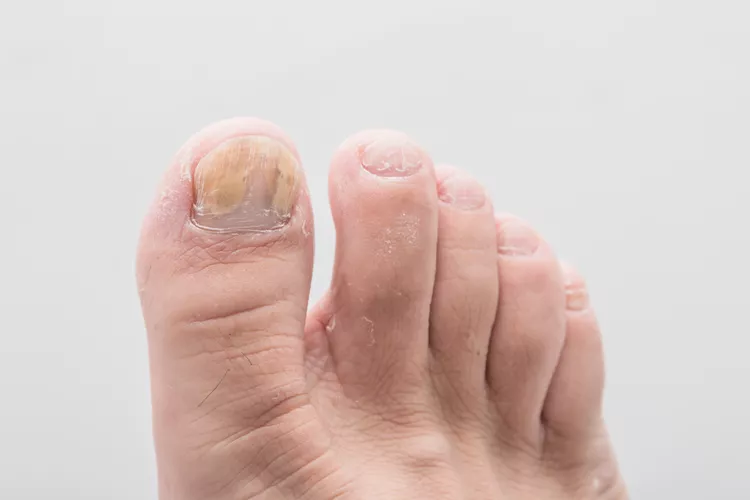
The symptoms aren’t subtle once they show up. Your nail might turn yellow, brown, or white. It can start thickening, or become hard, brittle, and prone to cracking.
Here’s the tricky part: toenail fungus often starts out mild and painless. You might notice the discoloration and just brush it off. But as it progresses, it can start hurting, making it uncomfortable to wear shoes. And the longer it sits untreated, the more resistant it becomes to treatment.
If you spot any of these signs early, don’t wait it out. Getting ahead of it now saves you a much longer, harder fight later.
Your Treatment Options, Explained
There’s no one-size-fits-all treatment. What works for you depends on how severe your infection is. Here’s what’s actually available.
Topical Treatments
These are antifungal medications you apply directly to the nail, kind of like nail polish. They work best for mild cases.
The FDA has approved a handful of these, including amorolfine, ciclopirox, efinaconazole, and tavaborole. Amorolfine and ciclopirox are the two you’ll see prescribed most often.
Here’s the catch: you apply these daily, and it can take up to a year to see real results. They’re not the strongest option out there, so for moderate to severe cases, your doctor might pair a topical treatment with an oral medication to boost effectiveness.
Oral Treatments
Oral medications are usually the first choice because they simply work better and faster, often clearing things up in just a few months instead of a year.
The FDA-approved options include fluconazole, griseofulvin, itraconazole, and terbinafine.
They’re effective, but they come with real risks. These medications can affect your liver and, in rare cases, your heart. That’s why your doctor will likely order periodic blood work, a CBC and a liver function test, while you’re on them. As long as your results stay within normal range, it’s considered safe to continue.
Nail Removal (Debridement)
If other treatments haven’t worked, or you’re not able to take them, your doctor might recommend removing the nail. This can happen surgically, or by applying a chemical that encourages the nail to fall off naturally over time.
Laser Treatment
Laser therapy is worth knowing about if you can’t tolerate medication or you’d rather not lose the nail altogether. A provider uses focused heat to kill the fungus and stop it from spreading further.
One study looked at 35 separate research articles covering over 1,700 patients and found an overall cure rate of 63%. CO2 lasers specifically performed even better, hitting a 74% cure rate.
Researchers found laser treatment to be both safe and effective, though it can cause some pain and minor bleeding. One thing to keep in mind: it’s usually an out-of-pocket cost, since most insurance plans don’t cover it.
ALSO READ: 10 Best Home Remedies for Toenail Fungus
What Happens If You Ignore It
Toenail fungus doesn’t stay put if you leave it alone. Left untreated, it can turn into a more serious infection, sometimes leading to nail loss or ongoing pain.
There’s also a flip side to treatment. The very medications used to fight the fungus can cause complications of their own, including liver and heart issues, and in rare cases, a severe allergic reaction called anaphylaxis.
If you’re on medication, keep an eye out for warning signs like yellowing skin or eyes, unusually pale stool or dark urine, easy bruising, or an irregular heartbeat. If any of these show up, contact your doctor right away.
How to Keep It From Happening in the First Place
Prevention here is pretty straightforward, and most of it comes down to keeping your feet dry and protected.
Wear flip-flops in public showers, pools, and locker rooms instead of going barefoot. Choose shoes that actually breathe, and keep your socks clean. If your shoes get wet, let them fully dry before wearing them again.
Antifungal powder in your shoes can help too. Keep your nails trimmed short, and if you use nail clippers, sanitize them regularly, especially if you’re sharing them with anyone.
Beyond that, keep your feet clean, dry, and moisturized, and treat athlete’s foot the moment you notice it instead of letting it sit.
If you do spot signs of a fungal infection despite doing everything right, don’t wait around. Book an appointment with a healthcare provider.
The Real Root Cause of Toenail Fungus Has Nothing to Do With Hygiene (Watch)
If you’ve tried creams, pills, and home remedies without success, scientists have discovered a mutated “super-fungus” that requires a completely different approach.
Top dermatologists are urging anyone dealing with yellow, brittle, or foul-smelling nails to stop scraping them immediately. A groundbreaking natural oil formula has been proven to penetrate deep into the nail bed, eliminating the fungus at its core while restoring flawless skin.
Frequently Asked Questions
-
What is the fastest home remedy for toenail fungus?
Some people try apple cider vinegar or tea tree oil at home. The honest answer is that there isn’t strong enough evidence to say these work reliably. If you want the fastest, most effective results, talking to a healthcare provider is your best move.
-
What happens if you leave toenail fungus untreated?
It gets worse, not better. Fungal infections don’t resolve on their own, and they tend to keep spreading the longer you wait.
-
Why won’t my toenail fungus go away?
Because it’s genuinely stubborn to treat. It takes time, sometimes months, even with proper medication. If you’re not seeing improvement, don’t just stop treatment. Check back in with your doctor, since you might need a different approach altogether.