
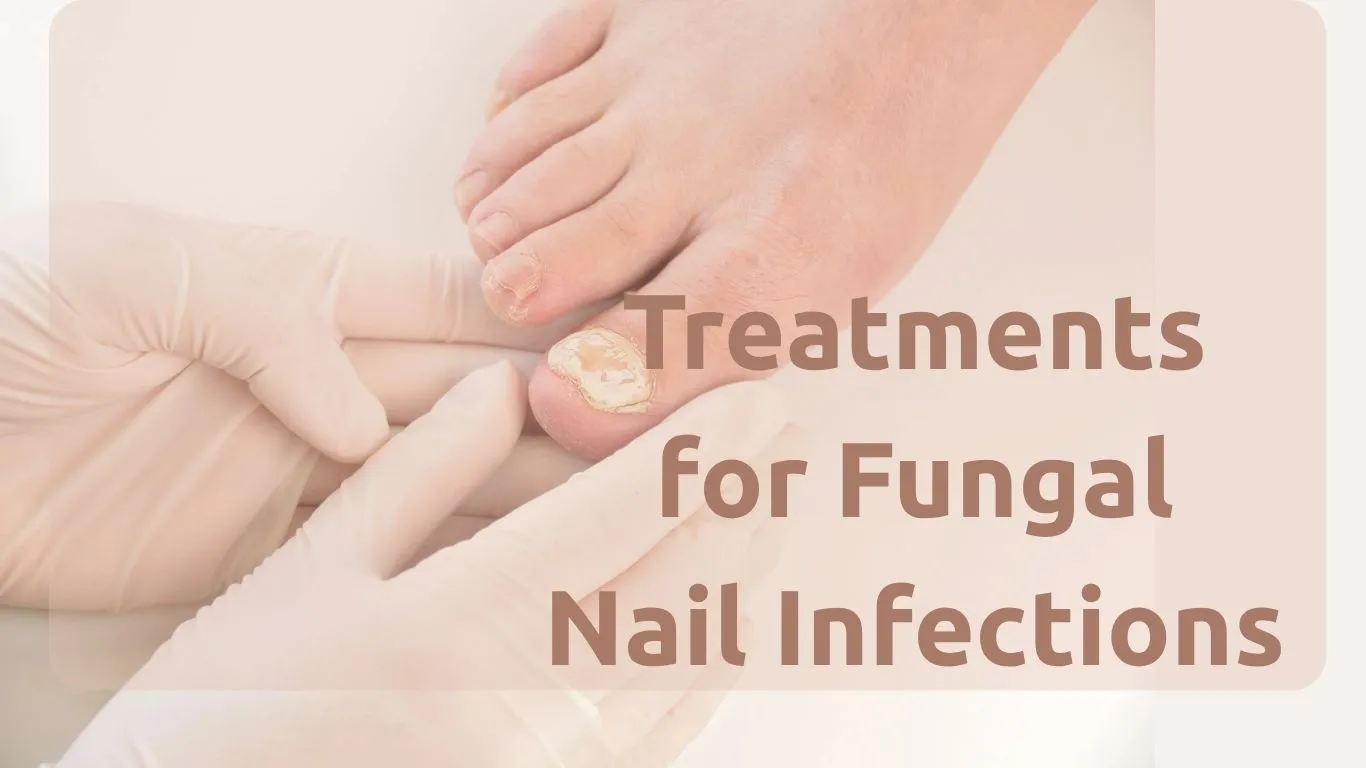
You’re staring at your toe again. It’s thicker than it used to be, maybe a little yellow around the edges, and you’re tired of hiding it in socks and sneakers even in July.
Here’s the frustrating part. You’ve probably Googled this before and landed on ten different articles telling you ten different things. One says vinegar works. Another says only prescription pills do anything. A third tries to sell you a $60 bottle of “clinically proven” oil with zero real explanation of why.
This article cuts through that. By the end, you’ll know exactly which treatments have real evidence behind them, which ones are mostly hype, and how to figure out what actually fits your situation, whether that’s a mild case you caught early or something that’s been hanging around for years.
Let’s get into it.
ALSO READ: Toenail Fungus: What Causes It, How to Spot It
First, What You’re Actually Dealing With
A fungal infection of the nail happens when fungus gets under the nail plate and starts multiplying. Once it’s in there, it’s protected. That’s exactly why creams and home remedies struggle to reach it, and why some cases drag on for months even with treatment.
This matters because it shapes everything else in this article. The deeper the fungus sits, the harder it is to kill. Keep that in mind as you read through your options.
Topical Treatments You Can Buy Over the Counter
Let’s start with what’s easiest to get your hands on.
The two ingredients with the strongest track record here are undecylenic acid and tea tree oil. Undecylenic acid is actually FDA-recognized as an effective ingredient for treating fungal infections. It’s plant-based, derived from castor oil, and it’s been around long enough to have real data behind it.
Tea tree oil pairs well with it. Research backs its antifungal and anti-inflammatory properties, and it helps the undecylenic acid actually penetrate deeper into the nail instead of just sitting on top.
Used together, these two give you a legitimate, low-risk first move. Not a guaranteed fix, but a reasonable place to start if your case is mild.
What About Home Remedies?
You’ve probably heard about soaking your feet in vinegar, bleach, mouthwash, or hydrogen peroxide. Let’s be straight about these.
None of them have solid research behind them. Here’s a quick rundown of what people actually try:
- Vicks VapoRub — applied daily, one small study of 18 people showed some benefit, but it’s far from conclusive
- Bleach soak — a tablespoon in a gallon of water, twice daily for 20 minutes; it kills organisms but also irritates and dries out your skin
- Vinegar soak — a 50/50 mix with water, same twice-daily routine, same lack of strong evidence
- Mouthwash soak — same method, gets expensive fast if more than one nail’s affected
- Hydrogen peroxide soak — 50/50 dilution, same irritation risk
None of these are dangerous when done carefully. But they’re also not a real substitute for treatments that actually have clinical backing. If you go this route, know you’re experimenting, not treating.
ALSO READ: Hydrogen Peroxide for Toenail Fungus:
Prescription Treatments: Topical and Oral
This is where things get more serious, and more effective.
Topical prescription medications get applied directly to the nail, similar to nail polish. They cause fewer side effects than oral drugs, but they’re not cheap. Expect costs running into the hundreds of dollars per month depending on your insurance situation.
Oral prescription medications work faster and more thoroughly because they treat the infection from inside your body, not just the surface. This is usually what doctors reach for when they’re asked what medication is used to treat a fungal infection that hasn’t responded to anything else.
Here’s the catch nobody likes to hear: even prescription treatment takes months. Sometimes up to a year before the nail fully grows out clean. And oral antifungals can carry real risks, including liver strain in rare cases, so your doctor will likely want to monitor you with blood work along the way.
The Real Root Cause of Toenail Fungus Has Nothing to Do With Hygiene (Watch)
If you’ve tried creams, pills, and home remedies without success, scientists have discovered a mutated “super-fungus” that requires a completely different approach.
Top dermatologists are urging anyone dealing with yellow, brittle, or foul-smelling nails to stop scraping them immediately. A groundbreaking natural oil formula has been proven to penetrate deep into the nail bed, eliminating the fungus at its core while restoring flawless skin.
When Doctors Consider Surgery
If a nail infection gets severe or painful enough, or just won’t respond to anything else, surgical removal becomes an option.
A doctor numbs the area, removes all or part of the nail, and sometimes applies medication to the nail bed to stop it from regrowing the same way. It sounds intense, and it is a bigger step, but it directly solves cases that have resisted everything else.
Cost-wise, you’re looking at a few hundred dollars for the procedure itself, sometimes more once anesthesia and facility fees get added in. Insurance sometimes covers part of it, depending on your plan.
Laser Treatment: Worth the Hype?
Laser treatment gets marketed as the modern, high-tech fix. The honest picture is more mixed.
Smaller studies looking into laser therapy for nail fungus haven’t shown dramatic results. Reinfection after treatment is common, and experts in the field have pointed out that more research is genuinely needed before anyone can call it a reliable cure.
It’s usually reserved for severe cases, runs anywhere from a couple hundred to a few thousand dollars depending on how many nails are affected, and insurance almost never covers it since it’s classified as cosmetic.
Nonsurgical Nail Removal
There’s a gentler alternative to surgery worth knowing about.
A doctor covers the skin around the nail, applies a urea-based ointment that softens and dissolves the nail, then wraps the area for about a week to ten days. Once that time’s up, the softened nail comes off, and the exposed nail bed gets treated directly with medication.
This method is generally described as painless, which makes it appealing if surgery feels too aggressive for your situation. Regrowth still takes time though. Fingernails take around six months, toenails can take a year or longer.
So, What’s Actually the Best Treatment for Nail Fungus?
There’s no single universal answer here, and anyone who tells you there is one option that works for everyone isn’t being fully honest with you.
Mild, early-stage infections respond reasonably well to OTC topical treatments with undecylenic acid and tea tree oil. Moderate to severe cases usually need prescription oral medication, since it reaches the infection from the inside. Severe, painful, or treatment-resistant cases sometimes need surgical or nonsurgical nail removal to fully resolve.
The real deciding factor is severity, not preference. Start conservative if your case is mild. Get seen by a doctor sooner rather than later if it’s spreading, painful, or just not budging.
Nail Fungus Treatment Comparison
Cost, timeline, and real effectiveness side by side
| Treatment | Cost | Timeline | Effectiveness | Best For |
|---|---|---|---|---|
| OTC Topical (undecylenic acid + tea tree oil) | $10–$30 | 3–6 months | Moderate | Mild, early-stage infections |
| Home Remedies (vinegar, bleach, peroxide, mouthwash) | Under $10 | Unclear / variable | Low / Unproven | Low-risk experimenting only |
| Prescription Topical | $200–$600/month | Up to 12 months | Moderate | Mild-to-moderate cases, fewer side effects |
| Prescription Oral | $20–$200/month | 3–6 months | High | Moderate-to-severe infections |
| Surgical Nail Removal | $200–$1,000+ | 6–12 months regrowth | High | Severe, treatment-resistant cases |
| Laser Treatment | $200–$1,200+ per nail | Results vary; reinfection common | Low / Inconsistent | Severe cases who can’t take medication |
| Nonsurgical Nail Removal | Varies by provider | 6–12 months regrowth | High | Those wanting to avoid surgery |
Frequently Asked Questions
-
What are the best treatments for nail fungus?
For mild cases, OTC topical treatments combining undecylenic acid and tea tree oil work reasonably well. For moderate to severe infections, prescription oral antifungal medication tends to work faster and more completely.
-
How do you treat a fungal nail bed once the infection has set in deep?
Deep infections usually need prescription treatment, either oral medication or, in severe cases, a nail removal procedure so treatment can reach the nail bed directly instead of fighting through the nail itself.
-
Is a fungal infection of the nail the same as a bacterial infection?
No, though the two can sometimes show up together. Fungal infections are caused by fungal organisms, while bacterial infections come from bacteria, and treating one doesn’t automatically treat the other. A doctor can confirm which one (or both) you’re dealing with through a simple nail sample test.
-
What medication is used to treat a fungal infection when creams don’t work?
When topical treatments fail, doctors typically move to oral antifungal medications. These treat the infection systemically and tend to clear moderate to severe cases faster than anything applied to the nail’s surface alone.
-
How long does treatment for nail fungus actually take?
Regardless of which treatment you choose, expect months, not days. Oral medications can take several months to a year for full nail clearance, and even surgical options require time for the new nail to grow back in clean.
The Real Root Cause of Toenail Fungus Has Nothing to Do With Hygiene (Watch)
If you’ve tried creams, pills, and home remedies without success, scientists have discovered a mutated “super-fungus” that requires a completely different approach.
Top dermatologists are urging anyone dealing with yellow, brittle, or foul-smelling nails to stop scraping them immediately. A groundbreaking natural oil formula has been proven to penetrate deep into the nail bed, eliminating the fungus at its core while restoring flawless skin.
Reference : What Treatments are used for Fungal Nail Infections?. Global Nail Fungus Organization. https://nationalnailfungus.org/medication-index/