
Introduction
If you often feel tired, have low energy, or weak bones, you might be lacking vitamin D. Many people today don’t get enough sunlight or eat foods rich in this nutrient.
Understanding how to get vitamin D is important because it plays a key role in bone health, immunity, and overall wellness.
The good news? You can boost your vitamin D levels naturally with simple daily habits.
Why Vitamin D Is Important
Vitamin D helps your body absorb calcium, which keeps your bones strong. It also supports your immune system and muscle function.
Common benefits of vitamin D:
- Supports strong bones and teeth
- Boosts immunity
- Improves mood and energy levels
- Helps muscle function
Best Natural Ways to Get Vitamin D
1. Sunlight – The Most Powerful Source
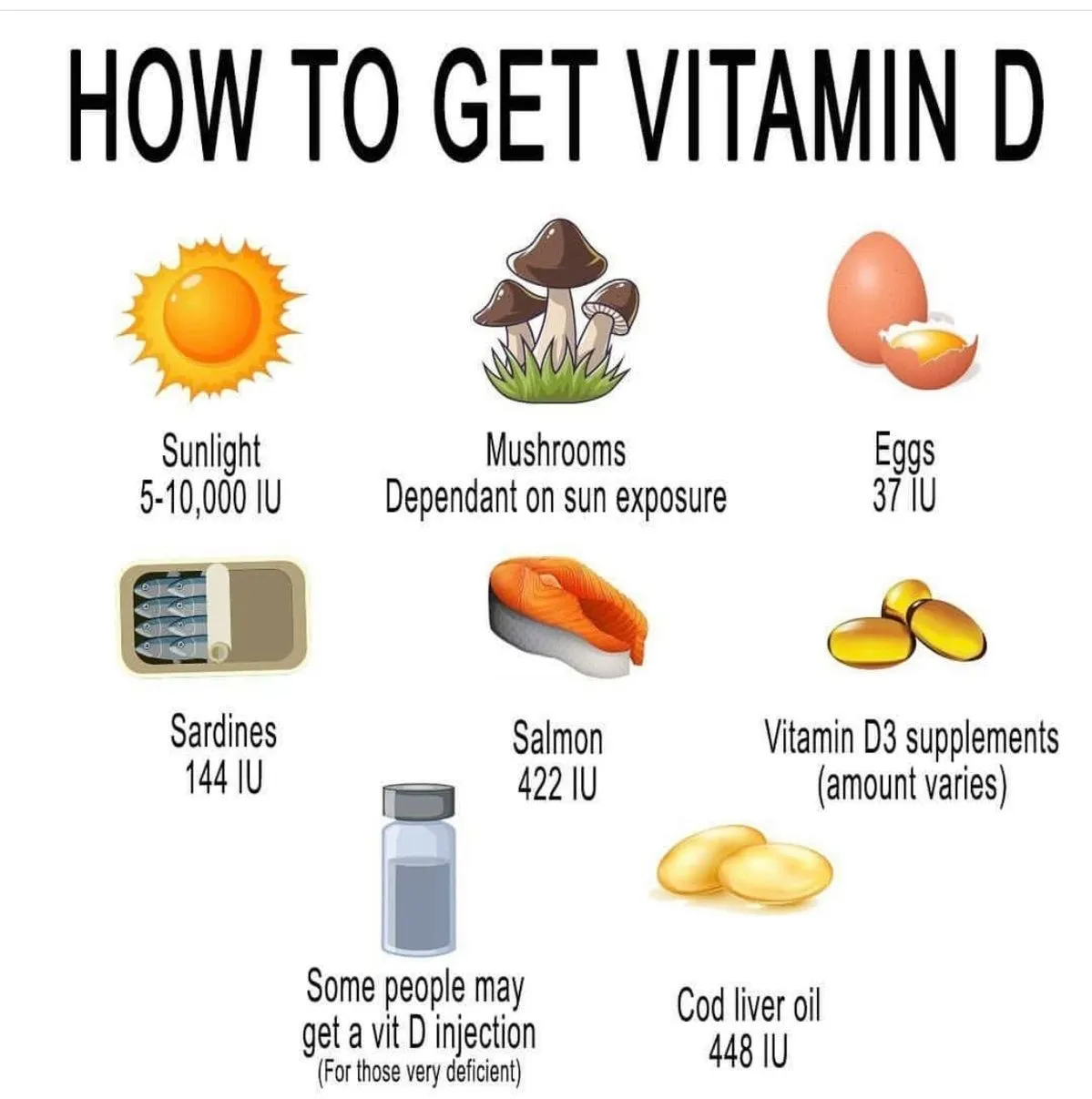
Sunlight is the best and most natural way to get vitamin D.
- Provides around 5,000–10,000 IU depending on exposure
- Your skin produces vitamin D when exposed to sunlight
Tips:
- Spend 10–30 minutes in the sun daily
- Best time: morning or late afternoon
- Avoid sunscreen for short exposure (but don’t overdo it)
2. Mushrooms – Plant-Based Option
Mushrooms are one of the few plant-based sources of vitamin D.
- Vitamin D content depends on sun exposure
- UV-exposed mushrooms have higher levels
Tip:
Choose mushrooms labeled “vitamin D enriched” for better benefits.
3. Eggs – Simple Everyday Source
Eggs are an easy way to add vitamin D to your diet.
- Around 37 IU per egg
- Found mainly in the yolk
Tip:
Don’t skip the yolk—it contains most of the nutrients.
4. Fatty Fish – Rich in Vitamin D
Fish like salmon are excellent sources.
- Salmon: ~422 IU
- Sardines: ~144 IU
Why it works:
Fatty fish naturally contain high levels of vitamin D and healthy fats.
5. Cod Liver Oil – Highly Concentrated Source
Cod liver oil is one of the richest sources of vitamin D.
- Around 448 IU per serving
Tip:
Take in small amounts as it’s very potent.
6. Vitamin D3 Supplements
If you’re not getting enough from food or sunlight, supplements can help.
- Vitamin D3 is the most effective form
- Dosage depends on your body’s needs
Tip:
Consult a healthcare provider before starting supplements.
7. Vitamin D Injections (For Severe Deficiency)
In some cases, doctors may recommend injections.
- Used for people with very low vitamin D levels
- Provides a quick boost
Signs You May Have Low Vitamin D
Watch out for these common symptoms:
- Fatigue or low energy
- Bone or back pain
- Weak muscles
- Frequent illness
If you notice these signs, consider checking your levels.
Simple Daily Plan to Boost Vitamin D
- Get sunlight daily
- Eat eggs or fish regularly
- Add mushrooms to meals
- Use supplements if needed
Small habits can make a big difference over time.
Frequently Asked Questions (FAQs)
1. How can I get vitamin D naturally at home?
You can get vitamin D naturally by spending time in sunlight, eating foods like eggs, salmon, and mushrooms, and adding cod liver oil to your diet. Even 10–30 minutes of daily sun exposure can help boost your levels.
2. What are the best foods high in vitamin D?
Some of the best vitamin D-rich foods include fatty fish (like salmon and sardines), egg yolks, mushrooms exposed to sunlight, and cod liver oil. These foods help support healthy vitamin D levels naturally.
3. How much sunlight do I need for enough vitamin D?
Most people need around 10–30 minutes of sunlight exposure several times a week. The exact time depends on your skin type, location, and time of day.
4. Can I take vitamin D supplements daily?
Yes, vitamin D supplements (especially vitamin D3) can be taken daily if needed. However, it’s best to consult a healthcare professional to determine the right dosage for your body.
5. What are the symptoms of vitamin D deficiency?
Common symptoms include fatigue, weak bones, muscle pain, frequent illness, and low mood. If you notice these signs, it may be a good idea to check your vitamin D levels.
Conclusion
Learning how to get vitamin D doesn’t have to be complicated. With a mix of sunlight, the right foods, and occasional supplements, you can maintain healthy levels easily.
Start with simple steps today, and your body will thank you in the long run.







-
-
-
-
-
-
-
-
-
-
-
-
-
-
-
-
-
-
Show CommentsThanks for explaining this without making it complicated.
Very straightforward explanation. Much appreciated.
I enjoyed reading this. The tips were easy to understand.
great.
Good information👍
Really useful information, especially the practical tips.
Thanks for sharing the research and practical tips.
Interesting article.
This answered a few questions I had. Great post.
I learned something new from this post. Thanks.
This gave me a better understanding of the topic.
Very straightforward explanation. Much appreciated.
The research mentioned here was interesting.
Thanks for making this topic so easy to understand.
I learned something new from this post. Thanks.
Helpful information and a very easy read.
Great information. I will keep these tips in mind.
I enjoyed reading this and learned something useful.