

Say Goodbye to Back Pain : A Comprehensive Guide to Effective Back Pain Relief Strategies
Back pain is a common issue that affects millions of people worldwide, impacting their daily lives and overall well-being. Whether it’s due to prolonged sitting, improper posture, or other underlying conditions, back pain can be debilitating. However, the good news is that there are numerous proven techniques you can start today to relieve and even prevent back pain. In this article, we’ll explore the root causes of back pain, delve into effective relief strategies, and provide you with actionable methods to alleviate discomfort quickly.

Understanding the Root: Common Causes of Back Pain and Effective Relief Strategies
Back pain is a complex condition with a variety of causes, ranging from simple muscle strain to more severe structural issues within the spine. Understanding the root causes of back pain is crucial for effective relief and prevention.
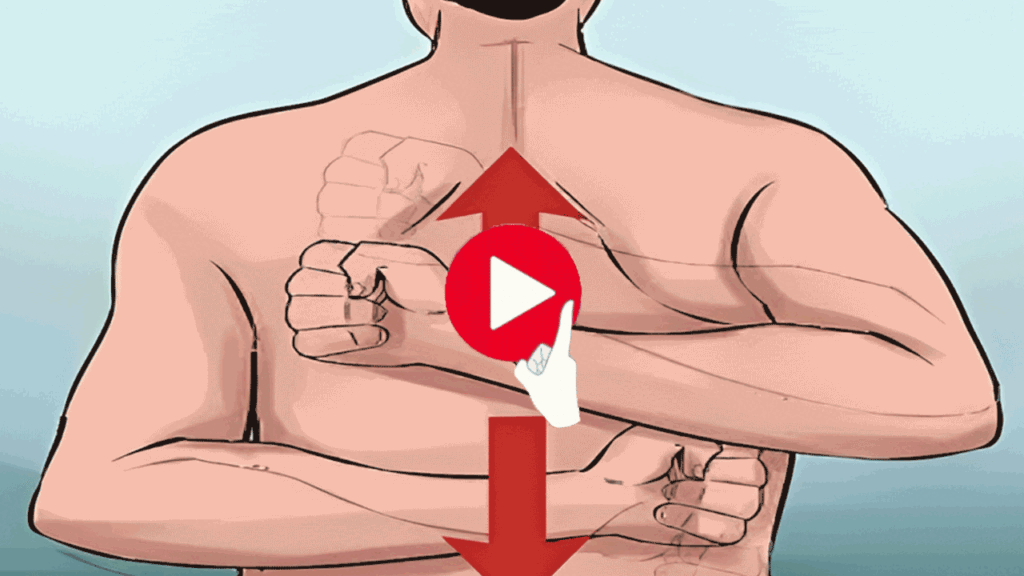
Want To Fix Back Pain For Good!? Try THIS Crazy Technique
Common Causes of Back Pain
- Muscle Strain and Ligament Sprain: One of the most common causes of back pain is muscle strain or sprain. This often occurs due to heavy lifting, sudden movements, or prolonged periods of poor posture. The muscles and ligaments supporting the spine can become overstretched or torn, leading to pain and stiffness.
- Herniated or Bulging Discs: The spinal discs act as cushions between the vertebrae. When a disc becomes herniated, it can press on nearby nerves, causing significant pain. This condition is often the result of wear and tear, injury, or degenerative disc disease.
- Spinal Stenosis: This condition occurs when the spaces within your spine narrow, putting pressure on the nerves that travel through the spine. Spinal stenosis is common in older adults and can cause both back and leg pain.
- Arthritis: Osteoarthritis can affect the lower back, leading to pain and stiffness. Arthritis in the spine can also cause the space around the spinal cord to narrow, resulting in spinal stenosis.
- Scoliosis: Scoliosis, an abnormal curvature of the spine, can lead to uneven pressure on the vertebrae and surrounding muscles, causing chronic back pain.
rEAD More: Effective Back Pain Relief Methods You Should Try
Effective Relief Strategies
Understanding the cause of your back pain is the first step toward finding effective relief. Here are some strategies that can help alleviate pain based on the underlying cause:
- Maintaining Good Posture: Proper posture is essential in preventing and relieving back pain. Whether sitting, standing, or lifting, maintaining a neutral spine position helps reduce stress on your back.
- Strengthening Exercises: Core-strengthening exercises such as planks, bridges, and abdominal crunches help stabilize the spine and prevent back pain. Engaging in regular physical activity strengthens the muscles that support the back.
- Stretching: Regular stretching can improve flexibility and reduce tension in the muscles surrounding the spine. Focus on stretches that target the lower back, hamstrings, and hip flexors.
- Ergonomic Adjustments: Make ergonomic adjustments to your workspace to reduce strain on your back. This includes using an ergonomic chair, positioning your computer screen at eye level, and ensuring that your feet are flat on the floor.
- Weight Management: Carrying extra weight, particularly around the abdomen, can put additional strain on your back. Maintaining a healthy weight through diet and exercise can alleviate this pressure.
Understanding the root causes of back pain is the first step toward effective relief. By adopting these strategies, you can reduce the likelihood of future pain and improve your overall spinal health.
Unlocking the Secrets: Top Back Pain Relief Techniques That Work
When it comes to back pain relief, there is no one-size-fits-all solution. However, several proven techniques can provide significant relief, depending on the nature and severity of your pain. Whether you’re dealing with acute pain or managing a chronic condition, these methods can help you find comfort and improve your quality of life.
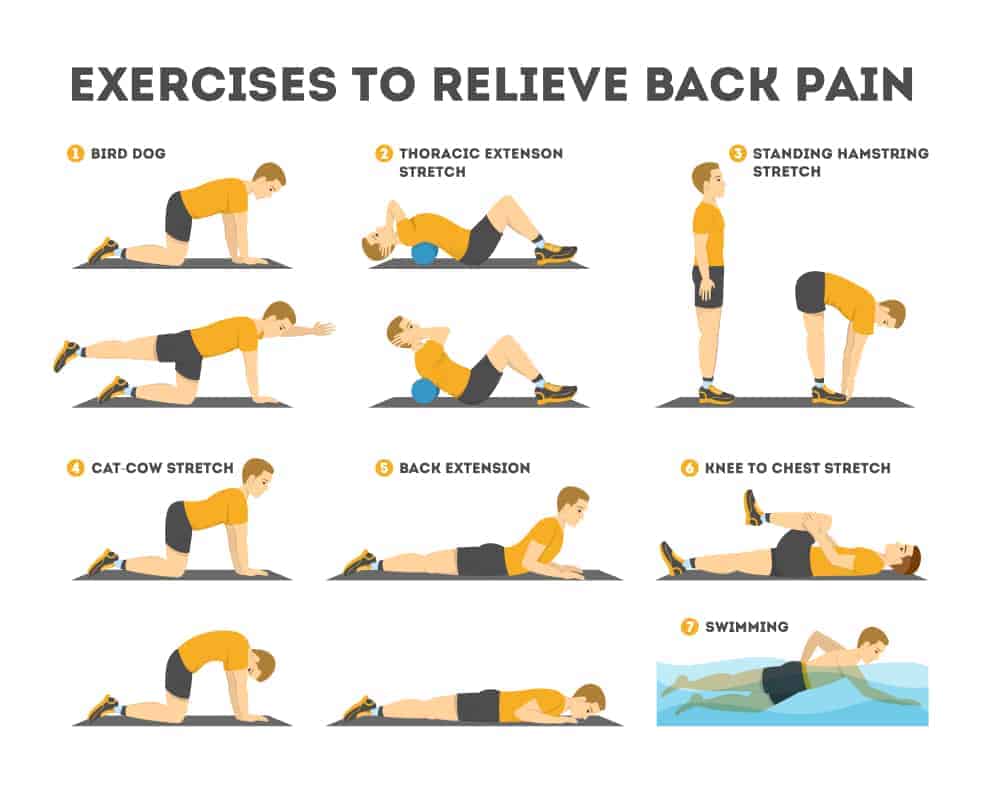
Physical Therapy and Exercise
Physical therapy is often recommended for individuals with chronic or severe back pain. A trained physical therapist can develop a personalized exercise program that targets the specific muscles contributing to your pain. These exercises may include:
- Stretching Exercises: Stretching can improve flexibility and reduce tension in the muscles surrounding the spine. A physical therapist may recommend specific stretches that target the lower back, hamstrings, and hip flexors.
- Strengthening Exercises: Building strength in the core muscles can provide better support for your spine, reducing the risk of future injury. Exercises such as planks, bridges, and pelvic tilts are often included in a physical therapy regimen.
- Aerobic Exercise: Low-impact aerobic exercises, such as walking, swimming, and cycling, can increase blood flow to the muscles and promote healing. Regular aerobic activity can also help maintain a healthy weight, reducing strain on the back.
Chiropractic Care
Chiropractic care involves spinal manipulation and adjustments to improve alignment and relieve pain. Chiropractors use their hands to apply controlled force to a joint, aiming to improve spinal motion and physical function. Many people find chiropractic care to be effective in reducing back pain, particularly when combined with other treatments like physical therapy.
Acupuncture
Acupuncture is an ancient Chinese therapy that involves inserting thin needles into specific points on the body. It is believed to stimulate the body’s natural healing processes and reduce pain. Research has shown that acupuncture can be an effective treatment for chronic back pain, particularly when used in conjunction with other therapies.
Mind-Body Techniques
Mind-body techniques, such as meditation, deep breathing, and yoga, can be powerful tools for managing back pain. These practices help reduce stress and tension, which can exacerbate pain. Mindfulness meditation, in particular, has been shown to reduce the perception of pain and improve overall well-being.
Medications
For many people, medications play a crucial role in managing back pain. Over-the-counter pain relievers, such as ibuprofen or acetaminophen, can provide temporary relief for mild to moderate pain. In cases of severe pain, a doctor may prescribe stronger medications, such as muscle relaxants or opioids. However, it’s important to use these medications under the guidance of a healthcare professional, as they can have significant side effects and potential for dependency.
Hot and Cold Therapy
Applying heat or cold to the affected area can provide immediate relief for back pain. Cold therapy, such as ice packs, can reduce inflammation and numb the pain. Heat therapy, such as heating pads or warm baths, can relax tense muscles and improve blood flow to the area.
Massage Therapy
Massage therapy can be an effective way to relieve muscle tension and reduce pain in the back. A skilled massage therapist can target specific areas of tension and use various techniques to improve circulation and promote relaxation. Regular massage sessions can also help prevent future episodes of back pain.
Dietary and Lifestyle Changes
Making dietary and lifestyle changes can have a significant impact on back pain. Eating a balanced diet rich in anti-inflammatory foods, such as fruits, vegetables, and omega-3 fatty acids, can reduce inflammation and promote healing. Additionally, avoiding smoking and excessive alcohol consumption can improve overall health and reduce the risk of back pain.
By incorporating these top back pain relief techniques into your routine, you can effectively manage your pain and improve your overall quality of life. It’s important to remember that what works for one person may not work for another, so it may take some trial and error to find the most effective approach for you.
Immediate Action: Fast-Acting Back Pain Relief Methods You Can Try Now
When back pain strikes, finding immediate relief is often the top priority. While long-term strategies are important for managing chronic pain, there are several fast-acting methods you can use to alleviate discomfort right away. These techniques can provide temporary relief and help you get back to your daily activities more quickly.
Over-the-Counter Pain Relievers
One of the quickest ways to relieve back pain is by taking over-the-counter pain relievers, such as ibuprofen or acetaminophen. These medications can reduce inflammation and numb the pain, providing temporary relief. It’s important to follow the recommended dosage instructions and consult with a healthcare professional if you have any concerns.
Topical Analgesics
Topical analgesics, such as creams, gels, or patches, can be applied directly to the affected area for fast relief. These products often contain ingredients like menthol, camphor, or lidocaine, which work by numbing the area and reducing pain. Topical analgesics can be a good option for those who prefer not to take oral medications.
Hot and Cold Therapy
As mentioned earlier, applying heat or cold to the affected area can provide immediate relief for back pain. For acute pain or injury, start with cold therapy to reduce inflammation. Apply an ice pack wrapped in a cloth to the area for 15-20 minutes, several times a day. Once the inflammation has subsided, switch to heat therapy to relax the muscles and improve circulation. A heating pad, warm bath, or hot water bottle can be used for this purpose.
Gentle Stretching and Movement
While it may be tempting to rest completely when experiencing back pain, gentle stretching and movement can actually help relieve discomfort. Simple stretches, such as knee-to-chest or seated forward bends, can help reduce tension in the muscles and improve flexibility. Additionally, taking short walks or doing light activities can prevent stiffness and promote blood flow to the area.
Proper Rest and Sleep Position
Getting adequate rest is essential for recovery, but it’s important to maintain a proper sleep position to avoid exacerbating back pain. If you suffer from back pain at night, try sleeping on your side with a pillow between your knees to keep your spine aligned. Alternatively, if you prefer sleeping on your back, place a pillow under your knees to reduce pressure on your lower back.
Relaxation Techniques
Stress and tension can worsen back pain, so incorporating relaxation techniques into your routine can provide quick relief. Deep breathing exercises, progressive muscle relaxation, or guided imagery can help calm the mind & relex.
Advertisement
Doctors Stayed Quiet — But This 1960s Discovery Is Finally Getting Attention Again
A forgotten molecule, buried in old research archives, may explain why so many people never fully recover from back pain no matter what they try.
 4:12
4:12
Watch: The story behind the “healing molecule” researchers rediscovered decades later ↑
- Why the usual stretches and pills only mask the problem
- The overlooked nutrient linked to spine and nerve health
- A simple at-home routine people are trying instead of surgery
This video keeps getting shared around back pain forums — worth watching before your next appointment.
FAQ
-
How to reduce back pain quickly at home?
To reduce back pain fast, apply an ice pack for the first 48 hours to calm inflammation, then switch to heat therapy to relax tight muscles. Pair this with gentle movement like knee-to-chest stretches or short walks — complete bed rest actually slows recovery. Sleeping on your side with a pillow between your knees also takes pressure off the lower spine almost immediately.
-
What are the most common causes of lower back pain?
The most common causes of lower back pain include muscle strain from heavy lifting or sudden movements, herniated or slipped discs pressing on nearby nerves, poor posture during prolonged sitting, spinal stenosis (narrowing of the spinal canal), osteoarthritis, and weak core muscles that fail to properly support the spine. Sedentary lifestyles, excess body weight, and prolonged screen time without ergonomic support are among the biggest lifestyle-related contributors in adults today.
-
How long does back pain usually last?
This depends on the type. Acute back pain — caused by a muscle strain or sudden injury — typically resolves within 4 to 6 weeks with proper rest, gentle movement, and appropriate treatment. Subacute back pain lasts 6 to 12 weeks. Chronic back pain is defined as pain lasting longer than 12 weeks and often requires a more comprehensive management approach including physical therapy, lifestyle changes, and in some cases targeted supplementation or medical intervention. Most people with acute back pain recover fully without surgery.
-
Is exercise good or bad for back pain?
Exercise is generally one of the best things you can do for back pain — but the type of exercise matters. Gentle, low-impact activity like walking, swimming, and specific stretching and strengthening exercises is strongly recommended and can accelerate recovery. Complete bed rest, on the other hand, is now known to worsen and prolong back pain in most cases. Core-strengthening exercises — planks, bridges, pelvic tilts — are particularly valuable because a stronger core directly reduces the load placed on the spine during daily activities.
-
Can diet and nutrition help reduce back pain?
Yes — significantly more than most people realise. Chronic back pain is often driven or worsened by systemic inflammation, and diet directly controls inflammation levels in the body. Anti-inflammatory foods like fatty fish (omega-3s), leafy greens, berries, turmeric, and olive oil can measurably reduce inflammatory markers linked to pain. Conversely, processed foods, refined sugars, and alcohol amplify inflammation and can intensify pain perception. Maintaining a healthy weight through diet also removes unnecessary mechanical pressure from the spine and supporting muscles.
-
How to cure back pain permanently?
There’s no single “cure” for all back pain since causes vary (muscle strain, herniated discs, poor posture, arthritis), but most cases improve significantly — often fully — through a combination of core-strengthening exercises (planks, bridges), better posture, maintaining a healthy weight, and treating inflammation through an anti-inflammatory diet. Chronic or structural cases (like severe disc herniation) may need physical therapy, chiropractic care, or medical intervention for lasting relief.
Conclusion
Back pain can be a debilitating condition, but with the right approach, it is possible to manage and even eliminate the pain. By understanding the root causes, exploring effective long-term strategies, and having quick-relief methods at your disposal, you can take proactive steps towards a pain-free life. Whether you’re dealing with back pain at night, during pregnancy, or from another cause, these proven techniques can help you say goodbye to aches and reclaim your comfort. Remember, consistency is key, and combining different methods often yields the best results.
Start today, and take the first step toward lasting back pain relief.
Advertisement
Doctors Stayed Quiet — But This 1960s Discovery Is Finally Getting Attention Again
A forgotten molecule, buried in old research archives, may explain why so many people never fully recover from back pain no matter what they try.
4:12
Watch: The story behind the “healing molecule” researchers rediscovered decades later ↑
- Why the usual stretches and pills only mask the problem
- The overlooked nutrient linked to spine and nerve health
- A simple at-home routine people are trying instead of surgery
This video keeps getting shared around back pain forums — worth watching before your next appointment.