
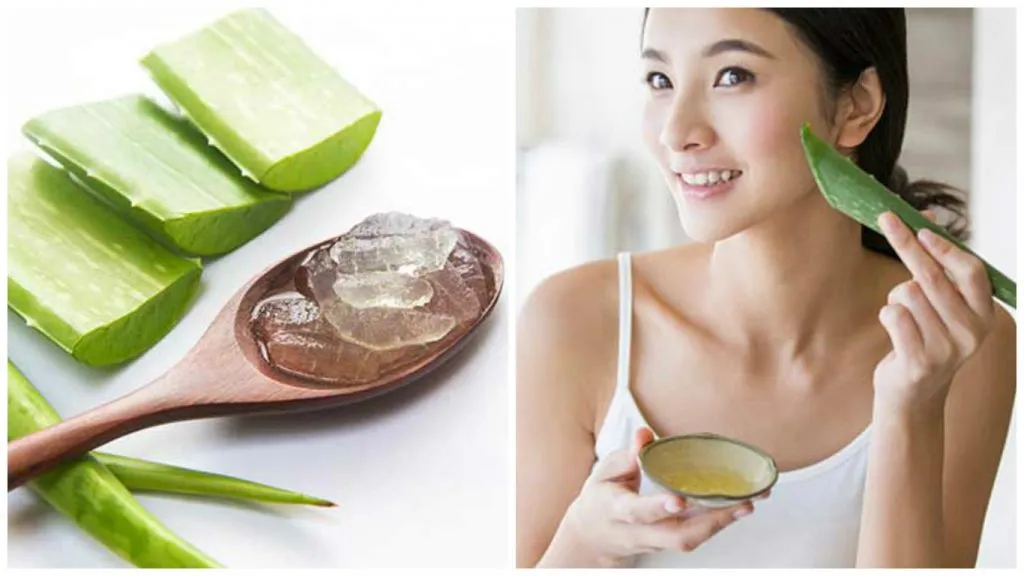
Most of us have an Aloe Vera Plant on a windowsill or a bottle of gel in the bathroom. It cools a sunburn, calms an itchy patch, and never feels heavy on the skin. So it’s no surprise you’re wondering: can we put aloe vera on our face every day?
For most people, yes. Pure Aloe Vera Gel is generally well tolerated on the skin, and a thin layer once or twice a day is a gentle place to start. But a few things are worth knowing first, like how to patch test, which gel to buy, and which popular DIY tips you should skip.
This guide covers all of it. You’ll get 7 everyday ways to use aloe vera for your skin, a simple daily routine, and the mistakes that cause most problems.
Quick answer: Yes, most people can use pure aloe vera gel on their face every day. Do a patch test first, use a thin layer, and pick a gel with few added ingredients. Aloe isn’t sunscreen, and it won’t erase scars overnight. If your skin burns, itches, or turns red, stop using it.
Is It Safe to Put Aloe Vera on Your Face Every Day?
The National Center for Complementary and Integrative Health (NCCIH) says topical aloe gel is generally well tolerated. Mayo Clinic also notes that experts believe aloe gel is safe on the skin when you use it as directed.
Still, “generally safe” doesn’t mean “safe for everyone.” Some people get burning, itching, a rash, or an eczema flare-up. That’s why a patch test matters.
How to Patch Test Aloe Vera
- Wash a small patch of skin on your inner forearm or behind your ear.
- Dab on a small amount of gel and let it dry.
- Leave it alone for 24 hours.
- Check for redness, itching, burning, or bumps.
- If your skin looks normal, try a thin layer on a small part of your face before using it everywhere.
If you see a reaction, rinse it off and stop using that product.
Who Should Be Careful
- Anyone who has reacted to aloe before.
- People with very sensitive skin or eczema. Start slowly and watch your skin.
- Anyone with deep cuts, surgical wounds, or serious burns. One older study found aloe gel slowed healing of deep surgical wounds. Ask a doctor first.
- People who are pregnant or breastfeeding. Some health sources advise against aloe in any form, so check with your doctor.
This article is about putting gel on your skin only. Aloe Vera latex taken by mouth can be unsafe, so don’t swallow aloe products without your doctor’s okay.
Fresh Aloe Gel or Store-Bought Gel?
Both can work. The right pick depends on how you plan to use it.
| Fresh from the leaf | Store-bought gel | |
|---|---|---|
| Cost | Cheap if you grow your own | Varies by brand |
| Convenience | Takes a few minutes to prepare | Ready to use |
| Shelf life | Short: keep in the fridge and use within about a week | Longer, but check the date |
| Added ingredients | None | Often has preservatives, and sometimes alcohol, fragrance, or dye |
| Best for | Occasional use and DIY fans | Daily routines |
How to Get Gel From a Fresh Leaf
- Cut a thick outer leaf close to the base of the plant.
- Stand it upright in a cup for 10 to 15 minutes so the yellow sap drains out.
- Rinse the leaf, trim the spiky edges, and peel off the top skin.
- Scoop out the clear gel.
- Store it in a clean jar in the fridge and use it within about a week. You can also freeze it in an ice cube tray.
Keep in mind: The yellow sap just under the leaf skin is called latex, and it can irritate skin. Keep it out of your gel.
What to Look for on a Store-Bought Label
- Aloe Vera (often listed as aloe barbadensis leaf juice or gel) near the top of the ingredient list
- No alcohol or fragrance high on the list, since both can dry or sting
- Little to no added color
- A product made for skin, with an expiry date you can check
7 Everyday Ways to Use Aloe Vera for Your Skin
Aloe Vera isn’t only for your face. The first five uses below cover your face, scalp, and hair. The last two are bonus ways to use it.
1. As a Makeup Remover
Want to ditch the packaged wipes? Aloe gel can do the job. It’s gentle, it doesn’t need harsh rubbing, and you don’t need those non-biodegradable wipes at all.
How to do it:
- Dab a little aloe vera gel onto a cotton pad
- Press it on your skin for a few seconds to loosen your makeup
- Wipe it off gently, then rinse your face with water
Make your own reusable pads: Soak washable cotton pads in aloe vera gel and place them in a sterilized jar. You can grab one whenever you need it.
Keep in mind: Homemade jars can grow bacteria. Make a small batch, keep it in the fridge, use it within a few days, and wash the pads after every use. Keep the gel out of your eyes. For waterproof mascara or long-wear makeup, you may need an oil-based or micellar remover first.
2. As an Anti-Dandruff Remedy
This one is for your scalp, not your face. Mix a few drops of tea tree oil with aloe vera gel and apply it to your scalp. Leave it on for 15 minutes, then rinse it off.
Why it may help: Aloe Vera is cooling and soothing, which can calm an itchy scalp. Tea tree oil has antifungal properties, and dandruff is often linked to a yeast that lives on the scalp. Small studies have looked at tea tree oil for dandruff, though results vary.
Tips:
- Always mix tea tree oil with something else. Never put it on your scalp undiluted.
- Patch test the mix on your inner arm first.
- Use it a few times a week and see how your scalp responds.
Keep in mind: Some people see fewer flakes after a few weeks, but it isn’t a guaranteed fix. If you still have flakes after 3 to 4 weeks, or you get red, itchy, scaly patches, see a dermatologist. It could be seborrheic dermatitis or psoriasis.
3. As a Moisturiser
If your skin feels as dry as sandpaper, aloe vera gel can bring back some hydration. Apply it twice a day, in the morning and at night.
Aloe gel is mostly water and super lightweight, so it doesn’t feel greasy. That also makes it a handy prep step under makeup. Apply a thin layer, let it dry for a couple of minutes, then go in with your foundation.
Best for: Oily, combination, or normal skin. It may be enough on its own.
Keep in mind: Because gel is so light, it may not seal in moisture on very dry skin. In that case, apply aloe on slightly damp skin, then layer your usual cream on top. And “liberally” doesn’t mean “thickly.” A thin, even layer works better than a heavy coat.
4. To Help With Scars and Blemishes
Aloe is famous for soothing sunburn. Many people also use it to help fade acne scars and blemishes, and to calm breakouts.
What the research says: Two small studies suggest aloe gel, used along with other acne treatments, may help improve acne. The evidence for fading scars and dark marks is limited, so don’t expect fast or dramatic results. Any change tends to be slow and subtle.
The lemon juice tip: Many DIY guides suggest mixing aloe with lemon juice and dabbing it on marks. Checking that you’re not sensitive to the acid first is smart. But there’s a bigger problem. When citrus juice is on your skin and you step into the sun, it can cause a burn called phytophotodermatitis. It can leave dark marks that last for weeks or longer, which is the opposite of what you want. Healthline also notes that lemon on the face tends to bring more side effects than benefits.
So we’d skip the lemon.
A safer way to do it:
- Use aloe gel on its own, once or twice a day
- Wear sunscreen with SPF 30 or higher every morning, since sun can make marks darker
- Don’t pick at spots, because picking causes more marks
- For stubborn marks, ask a dermatologist about options like niacinamide or azelaic acid
Keep in mind: Aloe Vera isn’t a replacement for acne treatment. For painful, deep, or lasting breakouts, see a dermatologist.
5. To Reduce Hair Fall
Hair fall worries a lot of women, and plenty of men too. If you want a gentle, low-cost step to try, add a teaspoon of aloe gel to your shampoo.
How to do it: Mix the gel into your usual amount of shampoo in your palm. Massage your scalp for a minute or two, then rinse well.
Why it may help: Aloe Vera can hydrate and soothe your scalp, and a comfortable, healthy scalp is a better base for hair. There isn’t strong research showing Aloe Vera stops hair fall, so think of it as scalp care, not a cure.
Keep in mind: Hair fall has many causes, including stress, low iron, thyroid problems, hormone changes, and crash diets. If you’re shedding much more than usual for several weeks, or you notice bald patches, talk to a doctor.
6. To Soothe Sunburn and Irritated Skin
Aloe Vera is best-known job is cooling a sunburn. A thin layer of chilled gel can feel great on hot, tight skin.
Here’s the honest part. Research suggests Aloe Vera gel may speed healing of minor burns and ease pain, but Mayo Clinic says there isn’t enough proof to know if it helps sunburns heal. Many people still find it soothing, and that comfort counts.
How to do it:
- Cool your skin first with a cool shower or a cold, damp cloth
- Apply a thin layer of aloe gel, and reapply a few times a day
- Keep the bottle in the fridge for extra cooling
Keep in mind: This is for mild sunburn only. See a doctor if you have blisters, fever, severe pain, or a large burned area. Don’t put gel on broken blisters.
7. To Calm Skin After Shaving
Shaving can leave skin tight, red, and itchy. A thin layer of aloe gel afterward can feel cooling and comfortable.
How to do it: Rinse your skin, pat it dry, and smooth on a small amount of gel. Pat, don’t rub.
Keep in mind: Skip it on fresh nicks and cuts. If razor bumps keep coming back, try a sharper razor and shaving in the direction your hair grows. If they don’t clear up, ask a dermatologist.
Read More: How to get clear and glowing skin at home naturally?
How to Use Aloe Vera on Your Face Every Day: A Simple Routine
You don’t need a long routine. Here’s a simple one to start with.
Morning
- Wash your face with a gentle cleanser.
- Smooth on a thin layer of aloe gel, about a coin-sized amount for your whole face.
- Add a moisturiser if your skin is dry.
- Finish with sunscreen, SPF 30 or higher.
Night
- Remove your makeup, using aloe or your usual remover.
- Wash your face.
- Apply a thin layer of aloe gel.
- Add a moisturiser if you need one.
A few tips:
- Once a day is enough if your skin is happy. Use it twice a day if you feel dry.
- If your face feels sticky, use less gel.
- Give it 2 to 4 weeks before you judge how your skin is doing.
- If your skin feels tight, itchy, or red, cut back or stop.
Common Mistakes to Avoid
- Skipping the patch test. It takes a day, and it can save you a week of irritated skin.
- Using raw leaf sap. The yellow latex can irritate. Let it drain, and use only the clear gel.
- Buying a bright green, scented gel. Dyes, fragrance, and alcohol can sting or dry out your skin.
- Expecting overnight results. Scars, dark marks, and acne change slowly.
- Skipping sunscreen. Aloe isn’t sun protection.
- Keeping fresh gel on the counter for weeks. Store it in the fridge and use it within about a week.
- Mixing it with random kitchen ingredients. Lemon juice, baking soda, and toothpaste can irritate your skin.
When to See a Dermatologist
Aloe is a gentle helper, not a treatment for every skin problem. Book a visit if you notice:
- Redness, swelling, burning, or a rash that doesn’t go away after you stop using aloe
- Acne that is painful, deep, or leaving scars
- Dandruff that doesn’t improve after 3 to 4 weeks
- Hair fall that is sudden, patchy, or heavier than usual
- A sunburn with blisters, fever, or severe pain
- Dark marks that keep spreading or getting darker
FAQ
-
Can we put aloe vera on our face every day?
Yes, most people can use pure aloe vera gel on their face every day. Patch test first, use a thin layer, and stop if your skin gets red, itchy, or starts to burn.
-
Can I leave aloe vera on my face overnight?
Many people do. Use a thin layer and wash it off in the morning. If your skin feels tight, itchy, or irritated, rinse it off and skip overnight use.
-
How long does fresh aloe vera gel last?
About a week in the fridge. For longer storage, freeze it in an ice cube tray and thaw one cube at a time.
-
Is aloe vera good for oily or acne-prone skin?
It can be a good fit because the gel is lightweight. Two small studies suggest aloe gel may help acne when used with other treatments. It isn’t a replacement for acne medicine, though.
-
Does aloe vera lighten dark spots and acne scars?
The evidence is limited. Aloe may soothe and calm skin, but it isn’t proven to fade scars. Sunscreen every day helps stop marks from getting darker.
-
Can aloe vera replace sunscreen?
No. Aloe can cool and soothe skin, but it doesn’t protect you from UV rays. Use a proper sunscreen with SPF 30 or higher.
-
Is it safe to eat or drink aloe for my skin?
This article only covers putting gel on your skin. Aloe latex taken by mouth can be unsafe, so talk to your doctor before swallowing any aloe product.
The Bottom Line
Yes, you can put aloe vera on your face every day, as long as you use a pure gel, patch test first, and keep it to a thin layer. It works best as a gentle everyday helper: a makeup remover, a light moisturiser, and a cooling soother. It isn’t a miracle cure for scars, acne, or hair fall.
Here are the quick takeaways:
- Patch test before your first full-face use
- Choose a gel with few added ingredients, or use fresh gel kept in the fridge
- Wear sunscreen every morning
- Skip the lemon juice
- See a dermatologist if irritation, acne, or hair fall doesn’t improve
Which of these 7 uses will you try first?
Sources
This article is for general information only and isn’t medical advice. Talk to a doctor or dermatologist if you have a skin condition, are pregnant or breastfeeding, or notice a reaction.