
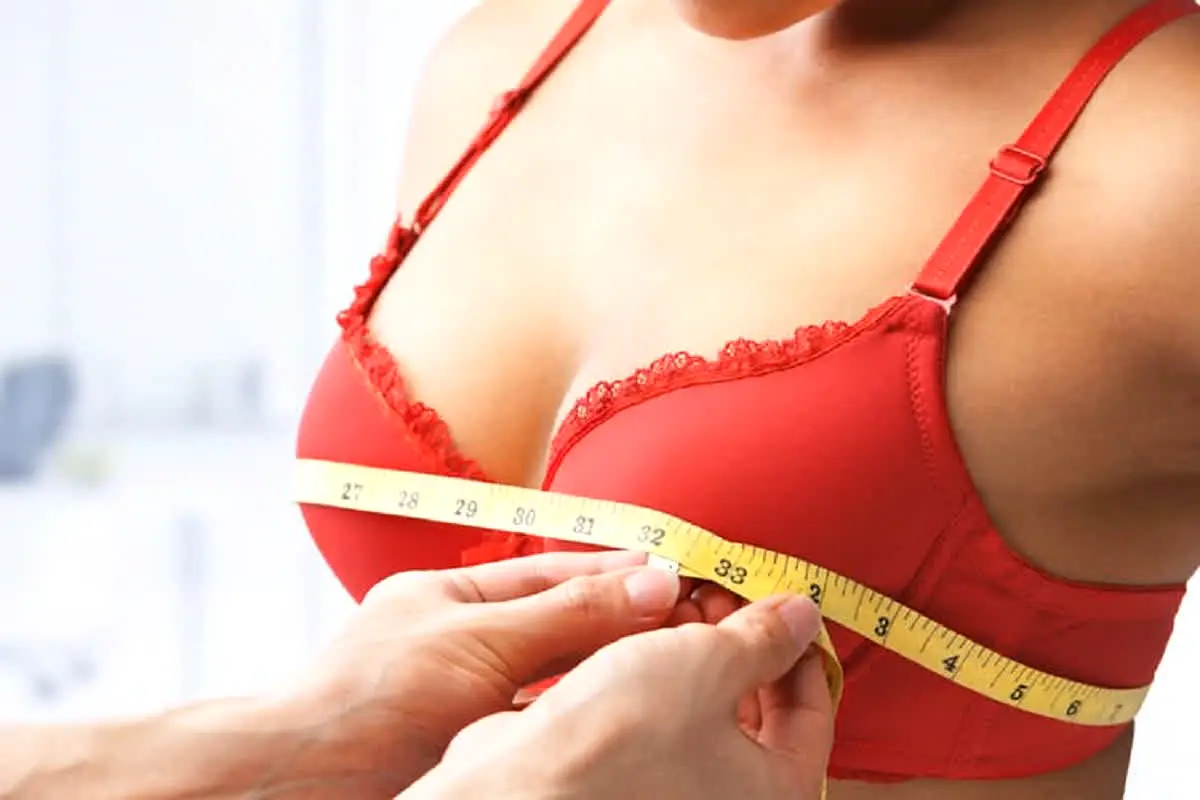
Breast development doesn’t follow one fixed timeline. Understanding hormones, age, and lifestyle can help you know what’s normal—and what’s not.
Introduction
One of the most common questions many women (and teens) have is:
“When do breasts stop growing?”
The answer isn’t exactly the same for everyone.
Breast development depends on several factors like hormones, genetics, and overall body changes. While most growth happens during puberty, your body can still change even after that phase.
Let’s break it down in a simple and clear way.
Breast growth doesn’t stop at one exact age—
it follows your body’s hormonal changes and natural development.
👉 Every woman’s timeline is different.
When Does Breast Growth Usually Start?
Breast development typically begins during puberty.
For most girls:
- Starts between ages 8 to 13
- First sign is small lumps under the nipples (breast buds)
This stage is completely normal and is the beginning of body changes triggered by hormones.
When Do Breasts Stop Growing?
In most cases, breast growth slows down and stabilizes:
- Around ages 17 to 18
- Sometimes continues into early 20s
However, this doesn’t mean your breast size will never change again.
👉 Growth may stop, but changes can still happen later due to other factors.
Breast growth is a natural, gradual process—
not something that follows a strict timeline or quick fix.
What Affects Breast Growth?
1. Hormones
Hormones like estrogen and progesterone play the biggest role.
- Estrogen triggers breast development
- Hormonal balance affects size and shape
2. Genetics
Your family history strongly influences:
- Breast size
- Growth pattern
- Shape
👉 If your mother or close relatives have a certain body type, you may follow a similar pattern.
Read More: Sagging Breasts: Causes, Early Signs, and Why It Happens at a Young Age
3. Body Weight
Breasts are made partly of fat tissue.
- Weight gain → may increase breast size
- Weight loss → may reduce size
4. Lifestyle and Nutrition
A healthy diet supports overall body development.
- Poor nutrition can delay growth
- Balanced diet supports normal development
5. Pregnancy and Hormonal Changes
Breasts can grow again during:
- Pregnancy
- Breastfeeding
- Hormonal shifts
👉 This is completely natural and temporary or permanent depending on the body.
💡 Women Are Talking About This
What if you could go up 1–2 cup sizes — without surgery, injections, or padded bras?
Butt Enhancer and Breast Enhancer is a capsule set with phytoestrogens and plant extracts that support bust firmness, lift, and size — from home. Over 12,000 women have already tried it.
See How It Works →✔ Natural ingredients · ✔ No surgery · ✔ Results visible in 2 weeks
Can Breasts Grow After 18?
Yes, in some cases.
Even after puberty:
- Hormonal changes can cause growth
- Birth control pills may affect size
- Weight changes can alter appearance
👉 So growth doesn’t always “stop suddenly.”
Breast Development Stages (Simple Overview)
- Stage 1: No visible growth
- Stage 2: Breast buds form
- Stage 3: Enlargement begins
- Stage 4: Shape becomes fuller
- Stage 5: Fully developed adult breasts
This process takes several years and varies for each person.
Common Concerns About Breast Growth
“My breasts are small—will they grow more?”
Maybe. If you’re still in your teens or early 20s, growth can continue.
“One breast is bigger than the other—is it normal?”
Yes, slight differences in size are very common.
“Can exercises increase breast size?”
Exercise improves chest muscles but doesn’t directly increase breast tissue.
What NOT to Believe (Important)
Avoid these myths:
- ❌ Creams or pills that claim “instant growth”
- ❌ Exercises that promise size increase
- ❌ Quick fixes without scientific proof
👉 Natural development is the safest and most realistic process.
FAQs About Breast Growth
-
At what age do breasts fully develop?
Most women reach full breast development between ages 17 and early 20s. However, this can vary based on genetics, hormones, and overall body development. Some women may notice small changes even after this age due to lifestyle or hormonal factors.
-
Can breasts grow after puberty?
Yes, they can. While major growth happens during puberty, breasts can still change due to weight gain, hormonal shifts, pregnancy, or medications like birth control. These changes are normal and part of how the body adapts over time.
-
Is it normal for breast growth to be uneven?
Absolutely. It’s very common for one breast to grow faster or be slightly larger than the other. In most cases, the difference becomes less noticeable over time, but slight asymmetry is completely normal.
-
Does diet affect breast growth?
Yes, indirectly. A healthy diet supports overall development, including hormonal balance. While no specific food increases breast size, proper nutrition helps your body grow and function normally during puberty.
-
When should I be concerned about breast development?
You should consult a doctor if:
There’s no development by age 14–15
Sudden unusual changes occur
You feel pain, lumps, or discomfort
These situations are rare but should be checked for safety.
Conclusion
So, when do breasts stop growing?
👉 For most women, growth slows down by the late teens
👉 But changes can continue into the early 20s and beyond
The most important thing to remember is:
Every body is different.
Instead of comparing yourself to others, focus on your own natural development and overall health.
Want a fuller, firmer bust — naturally?
Butt Enhancer and Breast Enhancer — natural capsules. Results in as little as 2 weeks.