
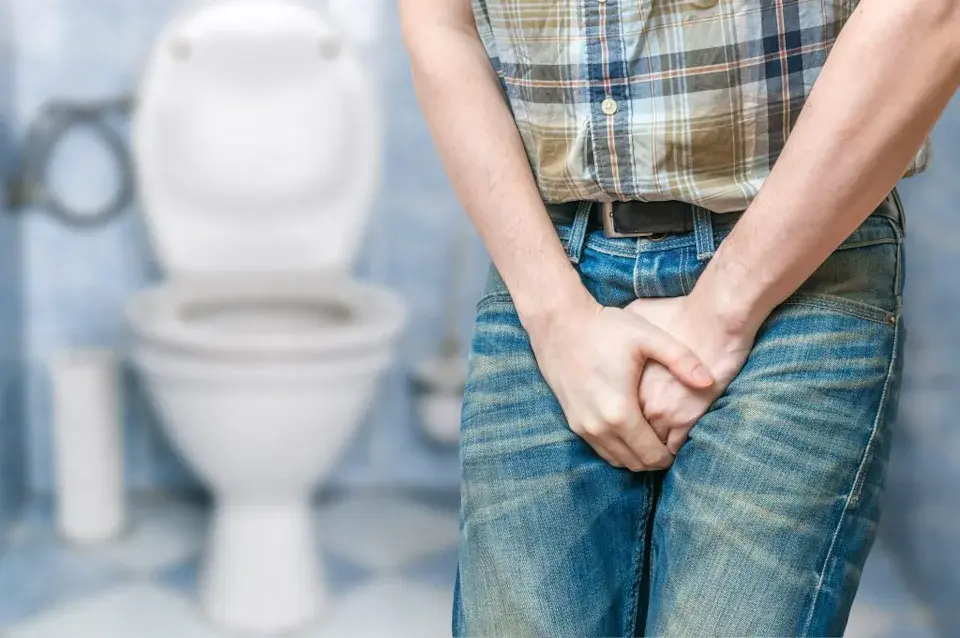
One in seven American men will face a prostate diagnosis in their lifetime. But the choices you make starting today — what you eat, how you move, and how you support your body — can dramatically change that picture.
Nobody really talks about their prostate — not until something goes wrong. But by the time most men start paying attention, the warning signs have already been accumulating for years. Frequent nighttime trips to the bathroom. A urine stream that feels weaker than it used to. That constant sense of not fully emptying.
The good news is this: prostate health is one of the areas where diet, lifestyle, and natural support genuinely make a measurable difference. You don’t have to wait for a problem to take this seriously. And if you’re already noticing early changes, the right approach can slow progression, reduce discomfort, and support better long-term function. This guide covers everything that actually works — backed by research, written plainly, and designed for real men who want real answers.
- 1 in 7 American men will develop prostate cancer
- 50% Of men over 50 have BPH symptoms
- 80% Of men over 80 have an enlarged prostate
- Diet One of the most modifiable prostate risk factors
Why Prostate Health Matters More After 40
The prostate is a walnut-sized gland that sits just below the bladder in men. Its main job is to produce fluid that nourishes and transports sperm. It’s not something most men think about in their twenties or thirties — but by the time a man hits 40, the prostate begins to slowly change, and those changes can have a significant impact on quality of life.
The three most common prostate concerns are benign prostatic hyperplasia (BPH — an enlarged prostate that is not cancerous), prostatitis (inflammation of the prostate), and prostate cancer — the most common cancer in men after skin cancer in the United States, United Kingdom, Canada, and Australia.
What most men don’t realise is that the prostate doesn’t have to deteriorate with age. Inflammation, poor diet, hormonal imbalance, and oxidative stress are the actual drivers behind most prostate issues — and all of these are directly influenced by what you eat and how you live. Taking a proactive approach in your 40s and 50s can meaningfully reduce your risk and keep your prostate functioning well for decades.
⚠️ Not Just an Older Man’s Problem Prostate issues used to be considered a concern mainly for men over 60. That’s no longer true. BPH diagnosis rates in men in their 40s are rising across the US and UK, with lifestyle factors — particularly processed diets, sedentary behaviour, and obesity — being identified as key contributors. If you’re 40 or older, prostate health deserves your attention now, not later.
Early Warning Signs Men Should Never Ignore
These symptoms don’t always mean something serious — but they’re your body’s way of telling you the prostate needs attention. If you’re experiencing any of these regularly, speak to your doctor and start taking your prostate health seriously today:
Frequent Night Urination Waking up 2+ times per night to urinate is one of the earliest and most common signs of prostate changes.
Weak or Slow Urine Stream An enlarged prostate can squeeze the urethra, reducing the force and flow of urination.
Difficulty Starting to Urinate Hesitation at the start of urination, even when the bladder feels full, is a classic BPH symptom.
Feeling of Incomplete Emptying The sensation that the bladder hasn’t fully emptied after urinating is strongly associated with prostate issues.
Discomfort in the Pelvic Area Dull aching in the lower abdomen, perineum, or lower back can signal prostate inflammation.
Blood in Urine or Semen This should always be investigated by a doctor promptly — it can have several causes, some requiring urgent attention.
💡 Important These symptoms can have multiple causes and are not automatically serious. Only a doctor can properly evaluate your prostate health. The information in this guide is for educational purposes and supports — not replaces — medical advice. If you’re experiencing these symptoms, please consult your healthcare provider.
Best Foods for Prostate Health — Science-Backed Choices
Diet is one of the most powerful levers men have for long-term prostate health. Population studies consistently show that men in countries with plant-rich, Mediterranean-style diets have significantly lower rates of prostate disease than those eating Western-style processed diets. Here are the foods with the strongest evidence behind them:
Tomatoes & Cooked Tomato Products – 🍅Highest Evidence
Tomatoes are the richest dietary source of lycopene — a powerful carotenoid antioxidant that accumulates in prostate tissue and has been consistently linked to reduced prostate cancer risk in research. Importantly, cooking tomatoes significantly increases lycopene availability. Tomato sauce, paste, and soup deliver more bioavailable lycopene than raw tomatoes.
Broccoli, Cauliflower & Cabbage- 🥦Cruciferous Champion
Cruciferous vegetables contain sulforaphane and indole-3-carbinol — compounds shown in multiple studies to slow the growth of prostate cancer cells and support the body’s natural detoxification pathways. Men who eat cruciferous vegetables three or more times per week show measurably lower prostate disease risk in large prospective studies.
Fatty Fish (Salmon, Mackerel, Sardines)- 🌿Anti-Inflammatory
Omega-3 fatty acids — particularly EPA and DHA from fatty fish — significantly reduce systemic inflammation, which is a key driver of prostate enlargement and disease progression. Research from the Harvard School of Public Health found that men with the highest omega-3 intake showed notably better prostate health outcomes compared to those with low consumption.
Berries (Blueberries, Pomegranate, Strawberries)- 🫐Antioxidant Rich
Berries are packed with anthocyanins and polyphenols that fight oxidative stress in prostate cells. Pomegranate in particular has received significant research attention — studies published in Clinical Cancer Research found that pomegranate juice consumption slowed PSA doubling time in men with rising PSA levels, a key marker of prostate cancer activity.
Onions, Garlic & Green Onions- 🧅DHT Blocker
Quercetin and allicin — the primary active compounds in onions and garlic — have demonstrated anti-inflammatory, antibacterial, and mild DHT-inhibiting properties in research. DHT (dihydrotestosterone) is the hormone primarily responsible for prostate enlargement over time. Regular consumption of allium vegetables is linked to lower rates of prostate disease in population studies.
Pumpkin Seeds & Zinc-Rich Foods- 🟡Zinc Source
The prostate contains the highest concentration of zinc of any organ in the male body. Zinc plays a direct role in prostate cell function and testosterone metabolism. Research consistently shows that men with BPH and prostate cancer have lower zinc levels than healthy controls. Pumpkin seeds, oysters, and hemp seeds are among the best natural zinc sources.
Green Tea- 🍵EGCG Powerhouse
EGCG (epigallocatechin gallate) — the primary catechin in green tea — has demonstrated significant anti-prostate cancer activity in laboratory and clinical studies. Japanese men, who consume green tea daily, have among the lowest prostate cancer rates globally. Two to three cups of green tea daily is a simple, evidence-backed addition to a prostate-protective routine.
Extra Virgin Olive Oil- 🫚Healthy Fat
Oleocanthal — olive oil’s primary anti-inflammatory compound — works similarly to ibuprofen at the molecular level, inhibiting inflammatory enzymes that drive prostate tissue inflammation. The Mediterranean diet, built on olive oil as the primary fat source, is one of the most consistently prostate-protective dietary patterns identified in research.
🥗 Quick Prostate-Protective Meal Plan Idea Breakfast: Green tea + handful of blueberries with porridge. Lunch: Grilled salmon with steamed broccoli and olive oil. Dinner: Tomato-based pasta or stew with garlic and onions. Snack: Pumpkin seeds. This simple template covers lycopene, omega-3s, cruciferous compounds, quercetin, zinc, and EGCG in a single day.
Foods & Habits That Harm Your Prostate
What you avoid is just as important as what you eat. These are the dietary factors most consistently linked to worsened prostate health in research:
| Food / Habit | Impact on Prostate | Action |
|---|---|---|
| Processed Red Meat Hot dogs, bacon, sausage, deli meats | High in saturated fat and nitrates; drives systemic inflammation and is linked to higher prostate cancer risk in multiple large studies | Avoid or Minimise |
| Full-Fat Dairy Whole milk, butter, full-fat cheese | High calcium intake from dairy may suppress vitamin D activation; saturated fat increases inflammatory load on prostate tissue | Limit |
| Alcohol Especially beer and spirits | Increases inflammation, disrupts hormone balance, and irritates the bladder and prostate; worsens BPH symptoms significantly | Limit Strictly |
| Refined Carbohydrates & Sugar White bread, pastries, sugary drinks | Drives insulin resistance and chronic inflammation; elevated insulin is associated with faster prostate cell growth | Reduce Significantly |
| Caffeine in Excess Multiple coffees, energy drinks | Irritates the bladder and can worsen urinary frequency and urgency symptoms in men with BPH | Moderate |
| Vegetable Oils High in Omega-6 Sunflower, soybean, corn oil | Excess omega-6 fatty acids relative to omega-3 creates a pro-inflammatory state that damages prostate tissue over time | Replace with Olive Oil |
Proven Lifestyle Habits for a Healthier Prostate
Read More: Exploring Male Ejaculation: Understanding the Science Behind the Release
Diet is the foundation, but these evidence-backed habits significantly compound the benefits of a prostate-protective diet:
Exercise Regularly
Vigorous aerobic exercise — running, cycling, swimming — reduces BPH risk and improves urinary symptoms in men who already have an enlarged prostate. Studies show men who exercise 3–5 hours per week have a 25–30% lower risk of BPH requiring treatment. Exercise also reduces IGF-1, a growth factor linked to prostate cancer progression.
Maintain a Healthy Weight
Obesity — particularly abdominal fat — significantly elevates oestrogen and inflammation, both of which promote prostate enlargement and increase cancer risk. Losing even 5–10% of body weight measurably improves urinary flow and reduces BPH symptoms in overweight men.
Stay Well Hydrated
Drinking adequate water — around 6–8 glasses daily — helps flush the urinary tract and dilute substances that can irritate the prostate. Reduce fluid intake in the 2 hours before bed to minimise nighttime urination, but don’t restrict fluids during the day to compensate.
Manage Stress Actively
Chronic stress elevates cortisol, which disrupts testosterone balance and drives inflammation. High-stress lifestyles are consistently linked to worse prostate symptoms. Regular meditation, nature exposure, and physical activity all help modulate the hormonal environment around the prostate.
Optimise Vitamin D
Vitamin D deficiency is strongly associated with increased prostate cancer risk and faster progression. Men in northern states and countries (US Midwest, UK, Canada, most of Australia in winter) are particularly at risk. Get your levels tested and supplement if needed — target serum levels of 50–70 ng/mL.
Prioritise Sleep Quality
Poor sleep raises inflammatory cytokines and disrupts the hormonal balance that keeps the prostate healthy. Men with sleep apnea — very common in overweight middle-aged men — show significantly elevated prostate inflammation markers. Addressing sleep quality is an often-overlooked but important piece of prostate health.
Natural Supplements Worth Considering
While diet and lifestyle form the foundation, certain well-researched natural compounds offer additional targeted support for prostate function. The following have the most consistent evidence behind them:
- Saw Palmetto — One of the most studied natural remedies for BPH. Research shows it can reduce urinary symptoms and improve urinary flow in men with mild to moderate prostate enlargement, potentially by inhibiting DHT activity.
- Beta-Sitosterol — A plant sterol found in pumpkin seeds and soy; multiple double-blind trials show significant improvement in urinary flow rates and symptom scores in men with BPH.
- Lycopene Supplements — When dietary intake from tomatoes is insufficient, lycopene supplements (10–30 mg daily) can provide targeted antioxidant support to prostate tissue.
- Zinc (15–30 mg daily) — Particularly valuable for men showing early prostate changes. Zinc glycinate or zinc picolinate are the most bioavailable forms.
- Pygeum Africanum — Bark extract from an African plum tree with strong clinical evidence for reducing BPH symptoms, urinary frequency, and nighttime urination.
- Stinging Nettle Root — Often combined with saw palmetto; research shows it inhibits sex hormone-binding globulin and has demonstrated anti-proliferative effects on prostate cells.
- Green Tea Extract (EGCG) — For men who can’t drink multiple cups of green tea daily, standardised EGCG supplements provide a concentrated dose of prostate-protective catechins.
Up 3+ Times a Night to Pee? Watch This Before Your Next Bathroom Trip
If you’re a man over 45 dealing with a weak stream, constant urges, or nights broken up by bathroom trips, this short video walks through what’s actually going on — and a simple daily routine a lot of men have started using.
 ▶ 4 min watch — no signup required
- Why bathroom trips seem to get worse as men pass 45
- A simple daily habit some men add to their routine
- What to watch for, and when it’s worth talking to a doctor
Takes less than 5 minutes to watch
💡 Quality Matters with Supplements The supplement industry is poorly regulated in the US, UK, Canada, and Australia. Always choose products with third-party testing certification (NSF International, USP, or Informed Sport), clear dosage information, and no proprietary blends that hide individual ingredient amounts. A supplement containing ten weak ingredients at low doses will rarely outperform one well-formulated product with clinically studied doses of proven compounds.
Frequently Asked Questions
-
What are the most important foods to eat for prostate health?
The best foods for prostate health are cooked tomatoes (lycopene), cruciferous vegetables like broccoli and cabbage (sulforaphane), fatty fish (omega-3s), berries and pomegranate (antioxidants), pumpkin seeds (zinc), green tea (EGCG), and garlic and onions (quercetin). These foods directly target the two main threats to prostate health — chronic inflammation and oxidative stress — through different but complementary mechanisms. Eating a variety of them regularly, rather than relying on just one or two, gives you the broadest protective effect.
-
At what age should men start thinking about prostate health?
The earlier the better — but 40 is the practical starting point most urologists recommend for dietary and lifestyle measures. Men with a family history of prostate disease should start even earlier. The prostate begins to slowly change from around age 40 onwards, and the habits you build in your 40s have a significant impact on what your prostate looks like at 60, 70, and beyond. PSA screening discussions with your doctor are typically recommended from age 50, or 40–45 for African American men and those with first-degree relatives who had prostate cancer, as both groups face statistically higher risk.
-
Can you shrink an enlarged prostate naturally?
The evidence on actually shrinking an enlarged prostate through natural means alone is limited — but reducing symptoms, slowing progression, and improving quality of life through natural approaches is very achievable. Saw palmetto, beta-sitosterol, and pygeum have all shown meaningful improvements in urinary flow and symptom scores in clinical trials. Weight loss in overweight men has been shown to reduce prostate volume measurably. Anti-inflammatory dietary changes consistently reduce symptom severity even if prostate size doesn’t dramatically decrease. For significant enlargement causing quality-of-life issues, a urologist’s input remains important alongside these natural strategies.
-
Does exercise really help the prostate?
Yes — and this is one of the most consistent findings in prostate health research. Regular moderate to vigorous aerobic exercise reduces BPH risk, improves urinary symptoms in men who already have BPH, lowers PSA velocity (the rate of PSA increase), and reduces systemic inflammation — the key driver of prostate disease. A landmark Harvard Health study found that men who walked briskly for 3 hours or more per week had a 25% lower risk of BPH symptoms. Resistance training also helps by supporting healthy testosterone levels and reducing the oestrogen-to-testosterone ratio that worsens prostate enlargement.
-
Are prostate health supplements safe to take alongside prescripiton medication?
Most natural prostate supplements — including saw palmetto, zinc, lycopene, and green tea extract — are well-tolerated by healthy adults. However, some can interact with certain medications. Saw palmetto may interact with blood-thinning medications like warfarin. Green tea extract in high doses can affect iron absorption and may interact with some chemotherapy drugs. Zinc in excessive doses can interfere with copper absorption and antibiotic effectiveness. Always inform your doctor and pharmacist about any supplements you’re taking, particularly if you’re on alpha-blockers, 5-alpha reductase inhibitors, or any cancer treatment.
-
How long does it take to see improvements in prostate symptoms through diet?
Dietary changes work cumulatively rather than overnight. Most men who make consistent, meaningful dietary changes — reducing processed meat, alcohol, and refined carbohydrates while significantly increasing lycopene, cruciferous vegetables, and omega-3s — report noticeable reductions in urinary symptom severity within 4–8 weeks. Anti-inflammatory benefits from omega-3s and polyphenols can be measured in blood markers within 2–4 weeks. The longer-term structural benefits — reduced progression of BPH, lower cancer risk — build over months and years of consistent healthy eating. Think of dietary change as a long-term investment with both short-term and long-term dividends.
Up 3+ Times a Night to Pee? Watch This Before Your Next Bathroom Trip
If you’re a man over 45 dealing with a weak stream, constant urges, or nights broken up by bathroom trips, this short video walks through what’s actually going on — and a simple daily routine a lot of men have started using.
▶ 4 min watch — no signup required
- Why bathroom trips seem to get worse as men pass 45
- A simple daily habit some men add to their routine
- What to watch for, and when it’s worth talking to a doctor
Takes less than 5 minutes to watch