
You fall asleep fine, then wake up at 3 AM staring at the ceiling. Sound familiar?
That’s usually not an “insomnia” problem. It’s a staying-asleep problem, and magnesium is one of the few nutrients with real science behind fixing it.
Here’s the direct answer. Magnesium glycinate works best for sleep, because your body absorbs it well and it doesn’t upset your stomach the way other forms do.
Let’s break down why it works and how to actually use it.
Why You Keep Waking Up at 3am (And Why It’s Not Just “Bad Luck”)
You didn’t imagine it. There’s an actual biological reason you keep snapping awake at the same time every night.
One U.S. study found 35.5% of people wake up in the middle of the night on three or more nights per week, and a similar study across multiple European countries found nearly one-third of people wake up that often too. You’re far from the only one dealing with this.
Here’s what’s actually happening in your body around that hour. Cortisol levels naturally rise between 2 and 3 AM, and if you’re already carrying stress, that rise can trigger waking. Woolcock
At the same time, your sleep architecture is shifting. You spend more time in lighter REM sleep after 3 AM, which makes you far easier to wake from small disruptions. Woolcock
So you’ve got two things stacking against you at once. Rising cortisol nudging you toward alertness, and lighter sleep making that nudge enough to fully wake you up.
That’s the real mechanism. Not “magnesium makes you sleepy,” but magnesium keeps your nervous system calm enough that normal nighttime hormone shifts don’t turn into full wake-ups.
Now let’s get into which form of magnesium actually delivers this effect.
I stopped waking up at 3AM after adding one thing to my nightstand
Magnesium glycinate alone helped a little. It wasn’t until I found a formula that paired it with L-theanine and tart cherry that I actually stopped waking up mid-night. Here’s the 2-minute breakdown of why the combo matters more than any single ingredient.

This post contains an affiliate link. If you buy through it, we may earn a commission at no extra cost to you.
Why Magnesium Affects Your Sleep
Your nervous system needs magnesium to switch out of “alert mode.” Without enough of it, your brain stays wired even when your body feels tired.
Magnesium supports a calming brain chemical called GABA. GABA slows down nerve activity, which is exactly what needs to happen before you fall into deep sleep.
Low magnesium levels get linked to lighter sleep, more nighttime waking, and trouble reaching deep sleep stages. That’s the science-based reason behind the “what to take to stay asleep all night” search you probably ran before landing here.
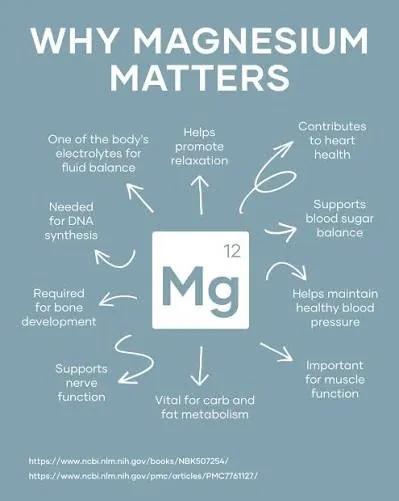
Which Magnesium Is Good for Sleep?
Not all magnesium supplements work the same way. Some barely absorb. Some just give you an upset stomach.
Here’s how the common types stack up:
- Magnesium glycinate — best absorption, calming effect, gentle on digestion
- Magnesium citrate — decent absorption, but can cause loose stools at higher doses
- Magnesium oxide — cheap, but poorly absorbed, mostly used for constipation relief
- Magnesium threonate — crosses into brain tissue well, still building research for sleep specifically
If you’re shopping for the best magnesium for sleep, glycinate is the one worth prioritizing. It’s the form most sleep-focused supplements build around for a reason.
What to Take to Stay Asleep All Night
Magnesium alone helps, but it works even better paired with other calming compounds.
A well-formulated magnesium supplement for sleep often combines it with:
- L-theanine — reduces mental chatter without sedating you
- GABA — directly supports the calming pathway magnesium works through
- Tart cherry extract — a natural source of melatonin
- 5-HTP — supports serotonin, which your body converts into melatonin
This combination approach explains why single-ingredient magnesium pills sometimes fall short. Sleep isn’t caused by one missing nutrient. It’s usually several small gaps stacking up.
ALSO READ: What Is the 30 Second Cherry Trick for Sleep — And Does It Actually Work?
Best Time to Take a Magnesium Supplement for Sleep
Timing actually matters here, and most people get it wrong.
Take magnesium 30 to 60 minutes before bed, not right as you’re lying down. Your body needs that window to start the calming process.
Taking it too early in the evening wastes the effect. Taking it right at lights-out means you’re already dozing off before it kicks in.
Magnesium Supplement Sleep Benefits Worth Knowing
Beyond just falling asleep, magnesium affects sleep quality in a few specific ways.
- Reduces nighttime waking, helping you stay asleep instead of just falling asleep fast
- Relaxes muscle tension, which matters if you deal with restless legs or nighttime cramping
- Supports deeper sleep stages, where your body actually recovers
- Lowers physical stress response, making it easier to unwind after a stressful day
Research published in the journal Sleep has looked at magnesium intake alongside sleep duration and quality in large population studies, and a systematic review in a peer-reviewed sleep journal has examined magnesium’s broader relationship with sleep health. Both point in the same direction: adequate magnesium intake correlates with better sleep outcomes, though researchers are still refining exact dosing guidance.
A Quick Safety Note
More isn’t automatically better here. High doses of magnesium, especially citrate or oxide, can cause digestive upset or diarrhea.
Stick to 200-400mg in the evening unless a doctor tells you otherwise. If you take blood pressure medication or have kidney issues, check with your doctor before adding a magnesium supplement, since dosing needs vary for those conditions.
Frequently Asked Questions
-
What happens in the body at 3:00 am?
3:00 am is generally when melatonin peaks in the body, meaning it continues to decline for the rest of your sleep. Cortisol levels are also rising, as cortisol begins increasing 2-3 hours into your sleep.
-
What should you not do at 3:00 am?
It’s generally recommended not to go back on your phone if you can’t sleep at night. Smoking a cigarette or having a glass of wine are also not recommended. Instead, try deep breathing exercises or reading a few pages of a book.
-
Which magnesium is good for sleep?
Magnesium glycinate is the top choice. It absorbs well and doesn’t cause the stomach issues other forms can trigger.
-
What can I take to help me stay asleep?
A magnesium glycinate supplement, ideally paired with L-theanine or a small amount of melatonin, addresses both falling asleep and staying asleep through the night.
-
What is best to take to stay asleep all night?
Look for a formula combining magnesium with calming compounds like GABA or tart cherry extract. Single-ingredient options often aren’t enough for people who wake up repeatedly at night.
-
What does the research say about magnesium and sleep quality?
Studies published in sleep-focused medical journals have found links between magnesium intake and both sleep duration and sleep quality, particularly in people with lower baseline magnesium levels.
-
When’s the best time to take a magnesium supplement for sleep?
Take it 30 to 60 minutes before bed. That gives your body enough time to start the calming process before you actually try to fall asleep.
Bottom Line
If you keep waking up at night, magnesium glycinate is worth trying before reaching for anything stronger. Pair it with the right timing, and you’re giving your body exactly what it needs to stay asleep, not just fall asleep.
A well-formulated evening supplement that combines magnesium with L-theanine, GABA, and Tart Cherry extract covers more ground than magnesium on its own, since sleep problems rarely come from just one gap.
THE 30-SECOND “CHERRY TRICK” THAT STOPS 3 AM WAKE-UPS AND RACING THOUGHTS
A doctor–recommended technique that targets cortisol at its source — stopping the racing thoughts and resetting your sleep cycle naturally. No pills. No prescriptions. Works the very first night.

Most people sleep 6–7 hours straight the very first night they try it
References
- Magnesium intake and sleep duration/quality — Sleep (Oxford Academic Journal): https://academic.oup.com/sleep/article/45/4/zsab276/6432454
- Systematic review on magnesium and sleep health — PubMed/NIH: https://pubmed.ncbi.nlm.nih.gov/35184264/
- Magnesium supplementation and sleep quality trial — Medical Research Archives: https://esmed.org/MRA/mra/article/view/5410












Great content! Keep up the good work!