
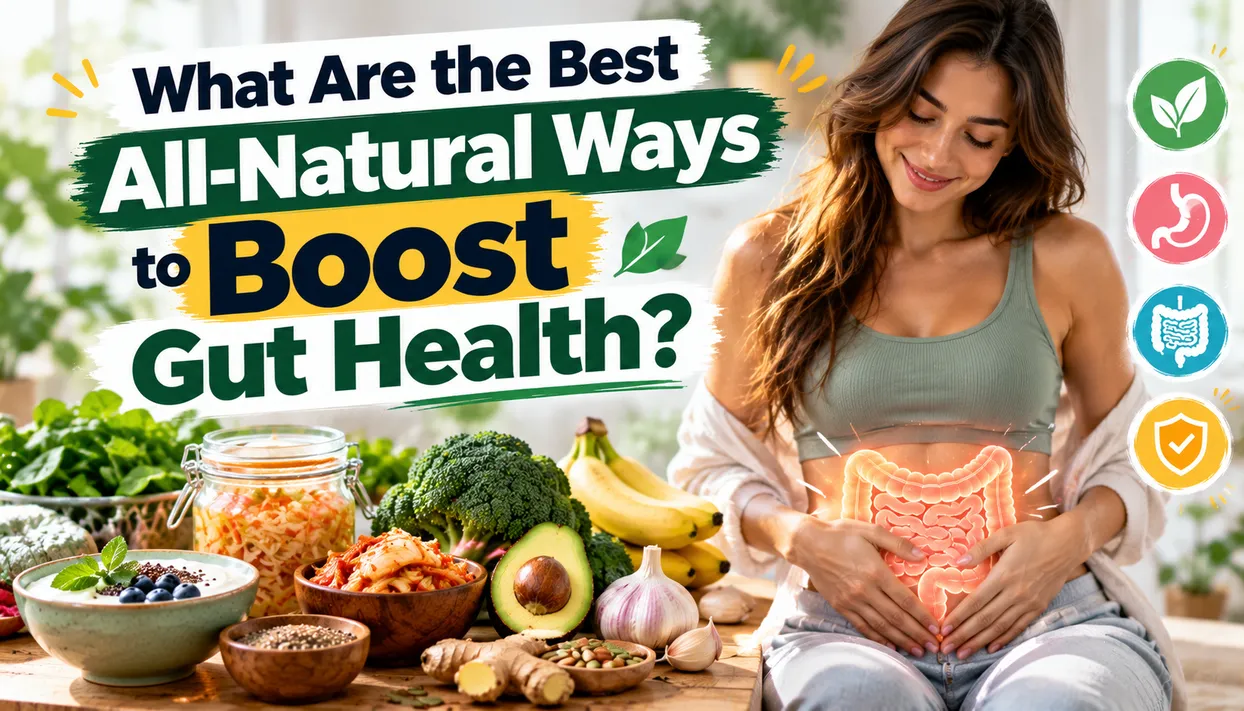
“All diseases begin in the gut.” – Hippocrates
The gut is sometimes called the “second brain” because it releases neurotransmitters that affect your behavior and mood.
This is home to 70% of your immune system, and it influences everything from your mood to your metabolism.
So, what can you actually do to support your gut health naturally? The good news is that you don’t need an complicated routine or drastic changes.
Here are 10 all-natural, research-backed, gut-loving habits you can start today.
🔥 1. Eat More Fermented Foods (A.K.A. Probiotic Powerhouses)
Foods like:
- Yogurt (unsweetened, full-fat)
- Kefir
- Sauerkraut
- Kimchi
- Miso
- Tempeh
These are rich in live beneficial bacteria that colonize your gut and crowd out the bad guys.
🌟 Pro Tip: Add a spoon of kimchi to your lunch daily. It’s spicy, crunchy, and your microbiome will thank you.
🌱 2. Feed Your Gut With Prebiotics
Prebiotics = fiber your gut bacteria love to munch on.
Best sources:
- Garlic [ related; Raw Garlic on an Empty Stomach ]
- Onions
- Leeks
- Bananas (slightly green!)
- Oats
- Apples
- Asparagus
- Chicory root
Think of it as plant-based fuel for your internal garden.
Why You Should Eat Fiber
Fiber is essential for proper bowel function as it reduces constipation and diverticulosis.
Vitamin A promotes skin and eye health by protecting them against infections.
In addition to helping with iron absorption, vitamin C keeps teeth and gum healthy.
Although dietary fiber cannot be processed by the body, it’s an excellent food source for the probiotic gut bacteria that provides steady energy to the body throughout the day and detoxifies the digestive tract.
For optimal performance in the gastrointestinal (GI) system, feeding the good bacteria in the gut is quintessential.
Having a healthy microbiome in the gut helps burn body fat and reduces insulin resistance and inflammation.
By having less inflammation in the body, the risk of illnesses such as arthritis, heart disease, cognitive decline, colds, and cancer decreases.
The Benefits of Fiber
The health benefits of eating nutrient-dense vegetables that are rich in dietary fiber may:
- Reduce blood cholesterol levels
- Protect against certain types of cancer
- Lower blood pressure
- Prevent decrease in bone loss
- Help with weight loss because of the low-calorie (low in fat) per volume compared to that of other high-calorie food. It provides satiation, the feeling of fullness, with fewer calories and large volume in the stomach.
- Reduce the risk of the following:
- Heart disease
- Heart attack
- Obesity
- Type II diabetes
- Developing kidney stones
- Stroke
💧 3. Stay Hydrated
Water keeps things moving — literally. A well-hydrated gut means better digestion and less constipation, which allows beneficial bacteria to thrive.
💤 4. Sleep Like Your Gut Depends on It (Because It Does)
Aim for 7–9 hours of quality sleep. Poor sleep disrupts the gut-brain axis and inflames your intestines.
No more doom-scrolling at midnight. Your microbiome needs beauty rest too. 😴
Related: Why Am I Bloated Every Afternoon? 10 Common Causes
💨 5. Manage Stress (Your Gut Feels It Too)
Chronic stress = gut chaos. It messes with digestion, reduces beneficial bacteria, and causes inflammation.
Try:
- Deep breathing
- Meditation
- Nature walks
- Journaling
- Yoga
A calm mind = a calm gut.
🏃 6. Move Daily (It’s Gut Gym!)
Exercise helps food move through your digestive tract and supports healthy microbial diversity.
Even a 20-minute walk after meals can improve digestion and blood sugar balance.
Exercises to boost gut health
1. Walking may seem like an everyday activity. But it has so many hidden advantages that you might not know. Brisk walking for at least 30 minutes resolves digestive problems and boost gut health.
2. Cycling -Riding a cycle is a good way to burn some fat and promote intestinal mobility. It gently puts pressure on your stomach that leads to optimal digestion and boost gut health.
3. Breathing exercises -Simple breathing exercises could help in treating conditions like bloating and gas. First you need to sit up straight and then breathe in and out, deeply and slowly. It not only manages stress levels but also affects belly muscles.
🧂 7. Cut the Sugar and Ultra-Processed Junk
Excess sugar and processed foods feed harmful gut bacteria and fungi (like Candida), leading to bloating, cravings, and inflammation.
Trade soda for herbal tea. Your gut will breathe a sigh of relief.
🥑 8. Embrace a Whole-Food, Fiber-Rich Diet
Fruits, veggies, legumes, whole grains — these aren’t just good for your body; they’re essential for a diverse, robust microbiome.
Gut diversity = gut resilience. Aim to eat 30+ different plant foods a week.
🧬 9. Ditch the Unnecessary Antibiotics
While lifesaving when truly needed, antibiotics wipe out good and bad bacteria alike. Use them only under medical supervision, and always follow up with probiotics and gut-healing foods.
🥣 10. Try Bone Broth or Collagen
Bone broth contains gelatin, glutamine, and amino acids that repair and soothe the gut lining.
Great for leaky gut, IBS, and post-antibiotic recovery.
🧠 TL;DR: The Gut Health Cheat Sheet
- Eat probiotic + prebiotic foods daily
- Stay hydrated
- Move your body
- Sleep 7–9 hours
- Lower stress
- Avoid sugar & processed junk
- Embrace fiber-rich, diverse whole foods
- Heal with bone broth
- Use antibiotics wisely
🎯 Final Thought:
Supporting your gut health doesn’t have to mean making major changes all at once. Simple habits like eating more fiber-rich foods, including fermented foods, staying hydrated, getting enough sleep, and staying active can all be part of a gut-friendly lifestyle.
The key is consistency. Give your body time to adjust, focus on habits you can realistically maintain, and pay attention to how you feel along the way.
If you’d like additional support beyond these everyday habits, you may also want to explore a more structured approach to gut health and digestive wellness.
The Real Reason Bloating Comes Back — Even When You’re Eating “Right”
Garlic on an empty stomach is a great start. Here’s the piece most people miss, explained in under 3 minutes.
 Video thumbnail — add later
2:41
Video thumbnail — add later
2:41
Free to watch · No sign-up required
This post contains an affiliate link. We may earn a commission if you make a purchase, at no extra cost to you. Statements have not been evaluated by the FDA. Not intended to diagnose, treat, cure, or prevent any disease. Consult your doctor about any digestive concerns.
Remember, supplements aren’t a substitute for a balanced diet or medical care, but they may complement a healthy lifestyle when used appropriately.