Skip to content
  • https://www.facebook.com/
  • https://twitter.com/
  • https://t.me/
  • https://www.instagram.com/
  • https://youtube.com/
Count Your Calorie

A better way to practice care.

Count Your Calorie

A better way to practice care.

  • Home
  • Categories
    • Addiction
    • Beauty
    • Dental Health
    • Diet & Weight Loss
    • Dietary Supplements
    • Exercise & Fitness
    • Health & Fitness
    • landing page
    • Meditation
    • Men’s Health
    • Mental Health
    • Nutrition
    • Remedies
    • Short Notes
    • Sleep & Dreams
    • Spiritual Health
    • Strength Training
    • Women’s Health
    • Yoga
  • Contact US
  • Tools & Resources
    • Free TDEE, Calorie Deficit & Macro Calculator
    • Sleep Cycle Calculator
    • Free Interactive BMI Calculator
  • Home
  • Categories
    • Addiction
    • Beauty
    • Dental Health
    • Diet & Weight Loss
    • Dietary Supplements
    • Exercise & Fitness
    • Health & Fitness
    • landing page
    • Meditation
    • Men’s Health
    • Mental Health
    • Nutrition
    • Remedies
    • Short Notes
    • Sleep & Dreams
    • Spiritual Health
    • Strength Training
    • Women’s Health
    • Yoga
  • Contact US
  • Tools & Resources
    • Free TDEE, Calorie Deficit & Macro Calculator
    • Sleep Cycle Calculator
    • Free Interactive BMI Calculator
Home/Addiction/Caffeine Addiction: Signs, Side Effects, and How to Quit Safely
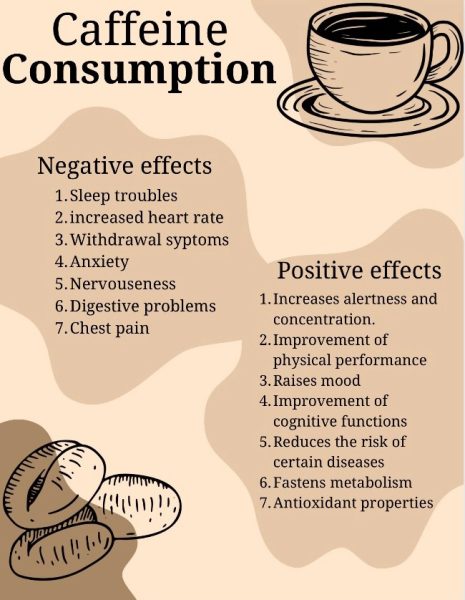
Caffeine Addiction diagram
Addiction

Caffeine Addiction: Signs, Side Effects, and How to Quit Safely

By Kirsten
January 22, 2026 2 Min Read
0

Caffeine is one of the most widely consumed stimulants in the world. From morning coffee to afternoon tea and energy drinks, millions of people rely on it daily. But when regular use turns into dependence, caffeine addiction can quietly impact your sleep, mood, and overall health.

Understanding how caffeine addiction develops—and how to reduce intake safely—is essential for long-term wellness.

What Is Caffeine Addiction?

Caffeine addiction occurs when the body becomes dependent on caffeine to function normally. Over time, the brain adapts to frequent caffeine intake, making you feel tired, irritable, or unfocused without it.

While caffeine addiction is not classified the same way as drug addiction, it can still cause physical dependence and withdrawal symptoms, especially with daily high intake.

Common Signs of Caffeine Addiction

You may be dealing with caffeine addiction if you experience:

  • Headaches without coffee or tea
  • Fatigue or brain fog when skipping caffeine
  • Irritability or low mood
  • Difficulty concentrating
  • Trouble sleeping or insomnia
  • Needing more caffeine to feel the same effect

Many people don’t realize these symptoms are linked directly to caffeine dependence.

How Much Caffeine Is Too Much?

Moderate caffeine intake is generally considered safe for most adults. However, consuming large amounts daily — especially from energy drinks, strong coffee, or pre-workout supplements—increases the risk of addiction and side effects.

Caffeine sensitivity varies, meaning some people experience symptoms even at lower doses.

Side Effects of Too Much Caffeine

Excessive caffeine intake can lead to:

  • Anxiety and restlessness
  • Rapid heartbeat
  • Digestive discomfort
  • Increased stress hormones
  • Poor sleep quality

Long-term overuse may worsen anxiety disorders and interfere with natural energy cycles.

Caffeine Withdrawal Symptoms

When caffeine intake suddenly stops, withdrawal symptoms may appear within 12–24 hours and can last several days.

Common caffeine withdrawal symptoms include:

  • Headaches
  • Extreme fatigue
  • Mood swings
  • Difficulty focusing
  • Muscle aches

These symptoms are uncomfortable but temporary.

How to Quit Caffeine Safely

Reduce Intake Gradually

Cutting back slowly helps minimize withdrawal symptoms. Try reducing your caffeine intake by 25% every few days.

Replace with Healthier Alternatives

Switch to:

  • Herbal teas
  • Decaffeinated coffee
  • Warm lemon water
  • Low-caffeine green tea

Improve Sleep Naturally

Better sleep reduces reliance on caffeine. Focus on consistent bedtimes, limiting screen use at night, and managing stress.

Stay Hydrated

Dehydration can worsen fatigue and headaches. Drinking enough water helps your body adjust during caffeine reduction.

Is Caffeine Addiction Serious?

Caffeine addiction is common and manageable, but ignoring it can affect mental health, sleep patterns, and energy levels long-term. Becoming aware of consumption habits is the first step toward balance.

Final Thoughts

Caffeine can be a useful stimulant when consumed mindfully, but dependence can sneak up over time. Recognizing the signs of caffeine addiction and taking steps to reduce intake safely can improve energy, mood, and overall health—without sacrificing productivity.

Author

Kirsten

Follow Me
Other Articles
Infographic Apple Cider Vinegar
Previous

Apple Cider Vinegar Benefits: A Natural Remedy for Everyday Health

meditation for inner peace
Next

Meditation for Inner Peace: A Spiritual Health Practice for a Calm Mind

No Comment! Be the first one.

Leave a Reply Cancel reply

Your email address will not be published. Required fields are marked *

adolescent development (1) Aromatherapy (1) back pain (5) Blood Sugar (1) body facts (2) body myths (1) Breast Care (15) breast myths (1) diabetes (1) Dietary Supplements (4) eye (2) fat loss (2) Gum Care (5) hormonal health (1) insomnia (10) keto diet (8) liver (1) metabolism (1) metabolism booster (1) moringa (3) nail infection (5) natural remedies (3) Natural Sleep Remedies (2) natural supplements (1) nutrition (2) onychomycosis (6) plant-based health (3) puberty education (2) puberty facts (1) puberty myths (1) sexualhealth (7) Skincare (9) sleep (12) Sleep Health (2) smoothie diet (10) superfoods (1) supplement reviews (2) Tart Cherry (2) teen health (1) toenail fungus (9) Weight loss (24) weight loss supplements (2) weight mangement (1) wellness (3) women's health (6)

READ MORE

  • Insomnia Treatment Plan: Simple Steps You Can Use Today
  • Moringa Seed Benefits: What They Really Do (And How They Compare to the Powder)
  • Moringa Benefits for Women’s Health: What’s Real and What’s Overhyped
  • Moringa Leaf Benefits: What Science Actually Says About This “Miracle Tree”
  • Tea Burn Review: The Truth Revealed Before You Buy

You May Have Missed

insomnia-torment-weary-woman-bed featured
Sleep & Dreams

Insomnia Treatment Plan: Simple Steps You Can Use Today

Kirsten
By Kirsten
July 30, 2026
Moringa Seed Benefits
Health & Fitness

Moringa Seed Benefits: What They Really Do (And How They Compare to the Powder)

Kirsten
By Kirsten
July 29, 2026
Moringa Benefits for Women's
Women's Health

Moringa Benefits for Women’s Health: What’s Real and What’s Overhyped

Kirsten
By Kirsten
July 28, 2026
moringa-leaves-and-powder-in-a-bowl-photo
Health & Fitness

Moringa Leaf Benefits: What Science Actually Says About This “Miracle Tree”

Kirsten
By Kirsten
July 28, 2026
tea burn product packet
Dietary Supplements

Tea Burn Review: The Truth Revealed Before You Buy

Kirsten
By Kirsten
July 28, 2026
java burn
Dietary Supplements

Java Burn Review: The Truth Revealed Before You Buy

Kirsten
By Kirsten
July 28, 2026
breast growth myth and fact chart
Women's Health

Breast Growth Myths You Should Stop Believing

Kirsten
By Kirsten
July 27, 2026
girls reviewing puberty development charts.
Women's Health

Breast Growth Before Age 18: Healthy Expectations for Teens

Kirsten
By Kirsten
July 27, 2026
Educational infographic addressing breast growth myths vs facts
Women's Health

Do Massage, Touching, or Hot Water Make Breasts Bigger?

Kirsten
By Kirsten
July 27, 2026
  • Home
  • About US
  • Affiliate-Disclosure
  • Disclaimer
  • Privacy Policy
  • Contact US
Copyright 2026 — Count Your Calorie. All rights reserved.