
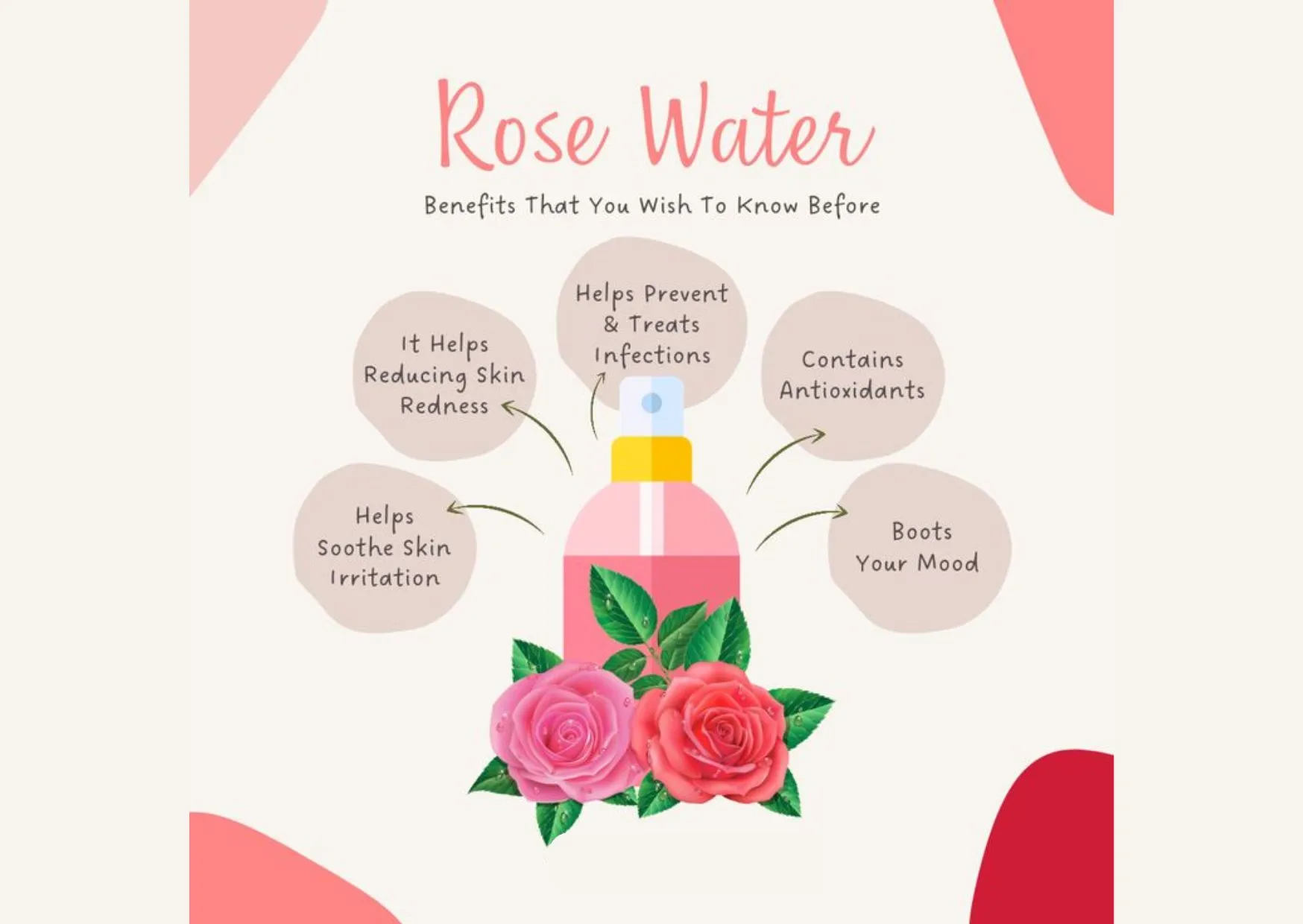
One simple ingredient — a world of benefits for your skin, hair, and overall health.
Have you ever wondered why rose water has been used for thousands of years across different cultures? From ancient Persia to modern-day beauty shelves, rose water benefits have stood the test of time — and science backs them up too.
Whether you want clearer skin, a natural toner, or a soothing eye rinse, rose water does it all. And the best part? It’s gentle, affordable, and suitable for almost every skin type. In this guide, we’ll cover exactly what rose water is, what goes into it, how you can use it, and why it genuinely works.
What is Rose Water?
Rose water is a flavoured water made by steeping rose petals in water — or more commonly, by steam-distilling them. The result is a light, fragrant liquid packed with the natural compounds found in rose petals.
It has been used for centuries in Persian, Indian, and Middle Eastern traditions — for cooking, religious rituals, and especially for skin and hair care. Today, it’s a staple in many natural beauty routines and is even used in food and drinks for its delicate floral flavour.
Ingredients in Rose Water
Pure rose water is simple — but its power comes from the natural compounds present in rose petals. Here’s a quick breakdown:
| Ingredient / Compound | What It Does |
|---|---|
| Flavonoids | Powerful antioxidants that protect skin from damage and reduce inflammation |
| Tannins | Natural astringents that tighten pores and reduce excess oil |
| Vitamins (C, A, E) | Support skin repair, brighten complexion, and fight free radicals |
| Essential Oils (Geraniol, Citronellol) | Provide fragrance and have antibacterial, antimicrobial properties |
| Phenylethanol | A natural compound with soothing and calming effects on skin |
| Anthocyanins | Plant pigments with anti-inflammatory and antioxidant effects |
| Water (distilled) | The base; carries all active compounds and provides lightweight hydration |
💡 Quick Tip Always look for “100% pure rose water” on the label. Many commercial products add preservatives, alcohol, or artificial fragrance — these can irritate sensitive skin.
Top Rose Water Benefits
The benefits of rose water go far beyond just smelling nice. Here are the most well-known and research-supported reasons to add it to your daily routine:
Deep Hydration
Rose water locks in moisture and keeps your skin soft and supple without feeling greasy.
Reduces Redness
Its anti-inflammatory properties calm irritated skin, making it ideal for rosacea and acne-prone skin.
Antioxidant Protection
Flavonoids and vitamins fight free radicals, slowing down visible signs of ageing.
Natural Toner
Tannins tighten pores and restore your skin’s natural pH balance after cleansing.
Fights Bacteria
Its antibacterial properties help prevent breakouts and reduce acne-causing bacteria on the skin.
Soothes Stress
The gentle floral scent has been shown to reduce anxiety and promote relaxation when inhaled.
Relieves Puffy Eyes
Cold rose water on tired eyes reduces puffiness and dark circles almost instantly.
Conditions Hair
When added to hair care, rose water for skin and scalp reduces dandruff and adds shine.
How to Use Rose Water
One of the best things about rose water is how versatile it is. Here are the most popular and effective ways to use it:
As a Facial Toner
Apply with a cotton pad after cleansing. Use morning and night.
Face Mist
Fill a small spray bottle and mist throughout the day for a fresh boost.
Bath Soak
Add a cup to your bathwater for a skin-softening, aromatherapy experience.
Eye Compress
Soak cotton pads in chilled rose water and place on closed eyes for 10 minutes.
DIY Face Mask
Mix with honey or fuller’s earth for a soothing, brightening mask.
Hair Rinse
Spray onto your scalp and hair after washing. Leave in for shine and moisture.
Step-by-Step: Using Rose Water as a Daily Toner
- Cleanse Your Face. Wash your face gently with a mild cleanser and pat dry with a soft towel.
- Pour Rose Water on a Cotton Pad. A few drops is enough — you don’t need to drench the pad.
- Gently Wipe Across Your Face. Sweep upward and outward — avoid the eye area if it’s your first time.
- Let It Absorb. Wait 30–60 seconds, then apply your moisturiser on top.
Practical Tips & Precautions
Tips for Best Results
- Store rose water in the fridge — cool rose water feels even more refreshing and lasts longer.
- Use pure, preservative-free rose water for skin care. Food-grade works for cooking and masks.
- Patch test first if you have sensitive or allergy-prone skin — dab a small amount on your wrist and wait 24 hours.
- Combine with glycerine (1:4 ratio) for an even more effective hydrating toner.
- Consistency matters — you’ll see the most benefit with regular, daily use over 2–4 weeks.
⚠️ Precaution Rose water is generally safe for all skin types, but avoid using it near the eyes if it contains alcohol or fragrance additives. If you experience itching, redness, or a rash — discontinue use and consult a dermatologist.
Frequently Asked Questions About Rose Water
1. Can I use rose water on my face every day?
Yes, absolutely. Rose water is gentle enough for daily use — both morning and night. It’s suitable for all skin types including oily, dry, combination, and sensitive skin. Just make sure you’re using pure rose water without alcohol or harsh additives.
2. Does rose water reduce acne?
Rose water has natural antibacterial and anti-inflammatory properties that can help reduce acne flare-ups and calm existing breakouts. It also helps balance skin pH, which discourages acne-causing bacteria. However, for severe acne, it works best as part of a broader skincare routine alongside proven treatments.
3. Is rose water good for hair?
Yes! Rose water is great for hair. It helps reduce dandruff, adds shine, conditions the scalp, and can reduce scalp irritation. You can spray it directly onto your scalp, add it to your conditioner, or use it as a final rinse after shampooing.
4. Can I make rose water at home?
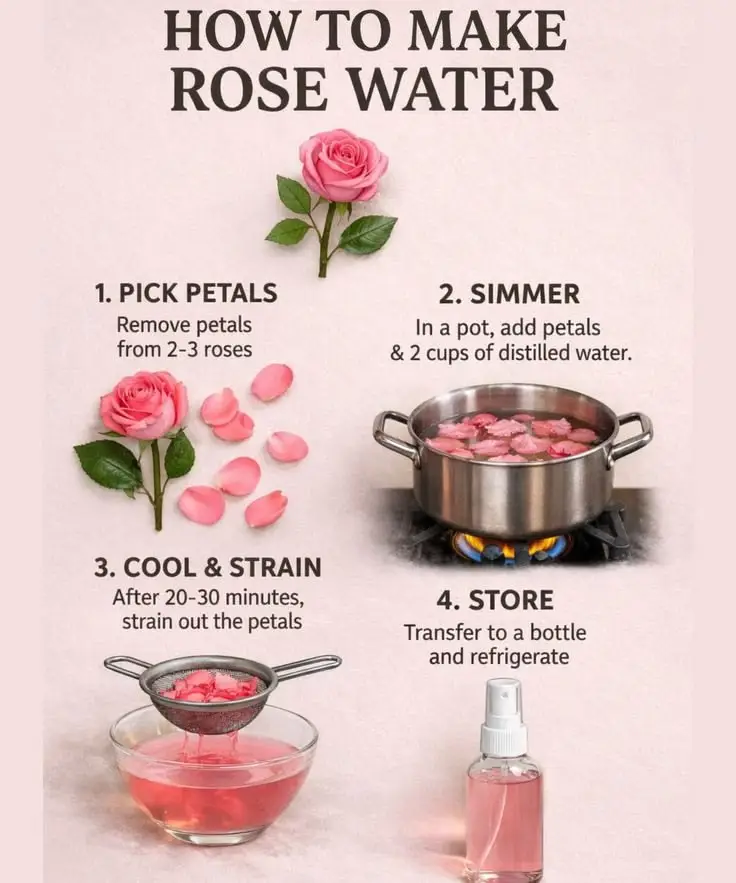
Yes, homemade rose water is easy to make. Simmer fresh or dried rose petals (pesticide-free) in distilled water for 20–30 minutes on low heat. Strain and store in a glass bottle in the fridge. It stays fresh for up to 2 weeks. For longer shelf life, use the steam distillation method.
5. Can rose water be used around the eyes?
Pure rose water is safe to use around — and even in — the eyes. It’s often used as a natural eye rinse to relieve redness and irritation. Cold rose water compresses are also popular for reducing puffiness and dark circles. Always check the label to ensure no alcohol or synthetic fragrance is added.
6. How long does it take to see results from rose water?
You can feel the hydrating and soothing effects almost immediately. For more visible results like reduced redness, improved skin texture, and smaller-looking pores, consistent use over 2–4 weeks is recommended. Like most natural skincare, it works best with regular use.
7. What’s the difference between rose water and rose oil?
Rose water is a by-product of extracting rose essential oil through steam distillation. Rose water is water-based, lightweight, and affordable — perfect for daily toning and misting. Rose oil (or rose otto) is highly concentrated, oil-based, and much more expensive. Rose oil is typically diluted in a carrier oil and used for targeted treatment or aromatherapy.
Final Thoughts
Rose water is one of the most versatile and time-tested natural ingredients you can add to your routine. Whether you use it as a toner, a mist, a hair rinse, or a face mask ingredient — the benefits of rose water are real, gentle, and accessible to everyone.
The best part? It doesn’t require a complicated routine or a big budget. Just a bottle of pure rose water and a cotton pad is enough to start seeing a difference. Give it 2–4 weeks of consistent use and your skin will thank you.