


What Is Dry Skin?
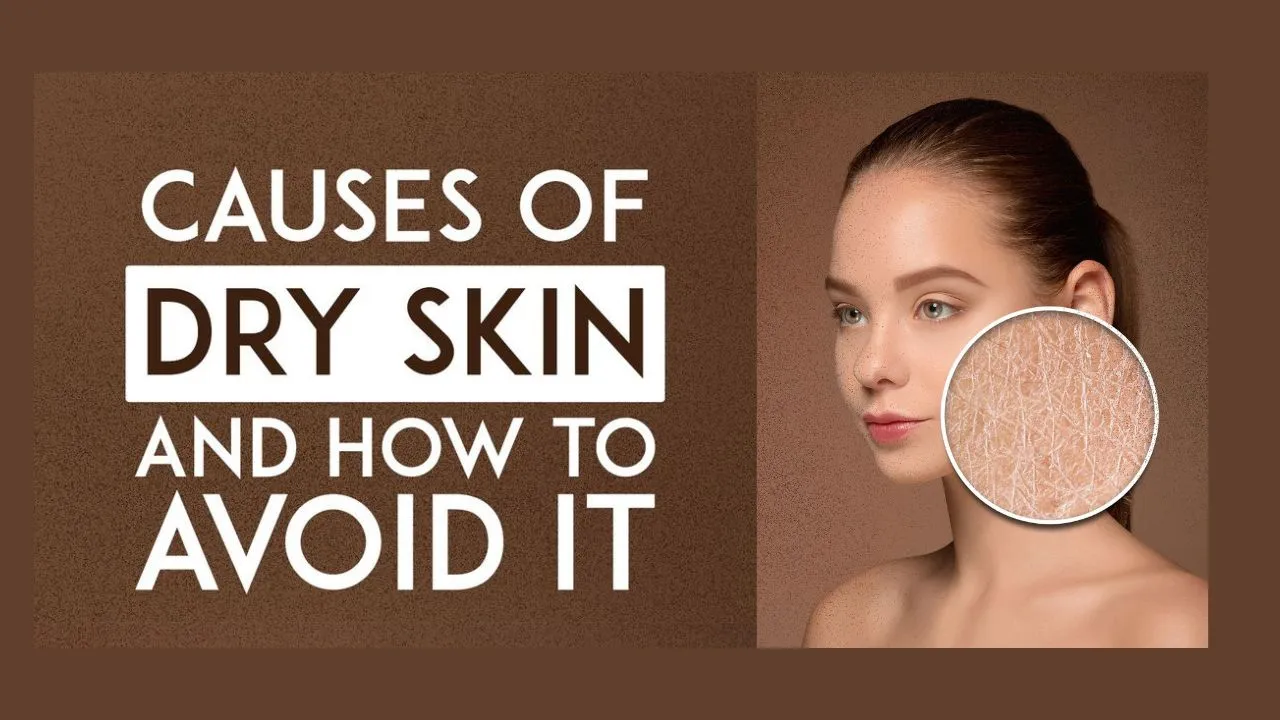
Dry skin is a common condition that can affect people of all ages. It is caused by a loss of moisture from the skin, which can make the skin feel tight, itchy, and flaky.
Healthy skin naturally holds water and oils that keep it soft and smooth. But when this balance is disturbed, your skin starts losing moisture faster than it can retain it. That’s when dryness begins.
Dry skin can affect anyone, but it is more common during winter, in dry climates, or as we age.
What Causes Dry Skin?
There isn’t just one reason behind dry skin. It usually happens due to a mix of lifestyle habits, environment, and skin care choices.
- Weather Changes: Cold air, low humidity, and winter seasons can strip moisture from your skin, making it dry and rough.
- Hot Showers and Overwashing: Long, hot showers remove natural oils from your skin, which leads to dryness over time.
- Harsh Soaps and Skincare Products:Products with strong chemicals, alcohol, or fragrance can damage your skin barrier and cause dryness.
- Dehydration: Not drinking enough water can make your skin look dull and feel dry from the inside.
- Aging: As you age, your skin produces less oil, making it naturally more prone to dryness.
- Poor Diet: A lack of essential nutrients like healthy fats and vitamins can affect your skin’s ability to stay hydrated.
Read More: Best Nutrients for Healthy Skin: Collagen, Hyaluronic Acid & More
Best Ways to Prevent and Treat Dry Skin for Healthy Skin
Understanding the cause of your dry skin is the first step to treating it effectively. There are a number of things you can do to prevent and treat dry skin, including:
- Moisturize regularly. This is the most important thing you can do to keep your skin hydrated. Apply a moisturizer to your skin after bathing or showering, and throughout the day as needed. Look for a moisturizer that contains humectants, such as glycerin or hyaluronic acid, which help to attract water to the skin.
- Take warm baths or showers. Hot water can strip the skin of its natural oils, so it’s best to bathe or shower in warm water. Avoid using soap on your entire body, as soap can also dry out the skin. Instead, use a mild cleanser or body wash.
- Wear loose-fitting clothing. Tight-fitting clothing can rub against the skin and irritate it. Instead, wear loose-fitting clothing made from natural fabrics, such as cotton or linen.
- Avoid harsh soaps and detergents. Harsh soaps and detergents can strip the skin of its natural oils, so it’s best to use mild soaps and detergents. Look for products that are labeled as “hypoallergenic” or “fragrance-free.”
- Use a humidifier. A humidifier can help to add moisture to the air, which can help to keep your skin hydrated.
- Drink plenty of fluids. Staying hydrated is important for overall health, and it can also help to keep your skin hydrated. Aim to drink 8 glasses of water per day.
Final Thoughts
Dry skin is common, but it’s easy to manage when you understand what your skin needs. Small changes like using gentle products, staying hydrated, and following a simple skincare routine can make a big difference over time. The key is consistency—your skin won’t change overnight, but with the right care, it will slowly become softer, smoother, and healthier. Start with a few simple steps, stick to them daily, and your skin will thank you.