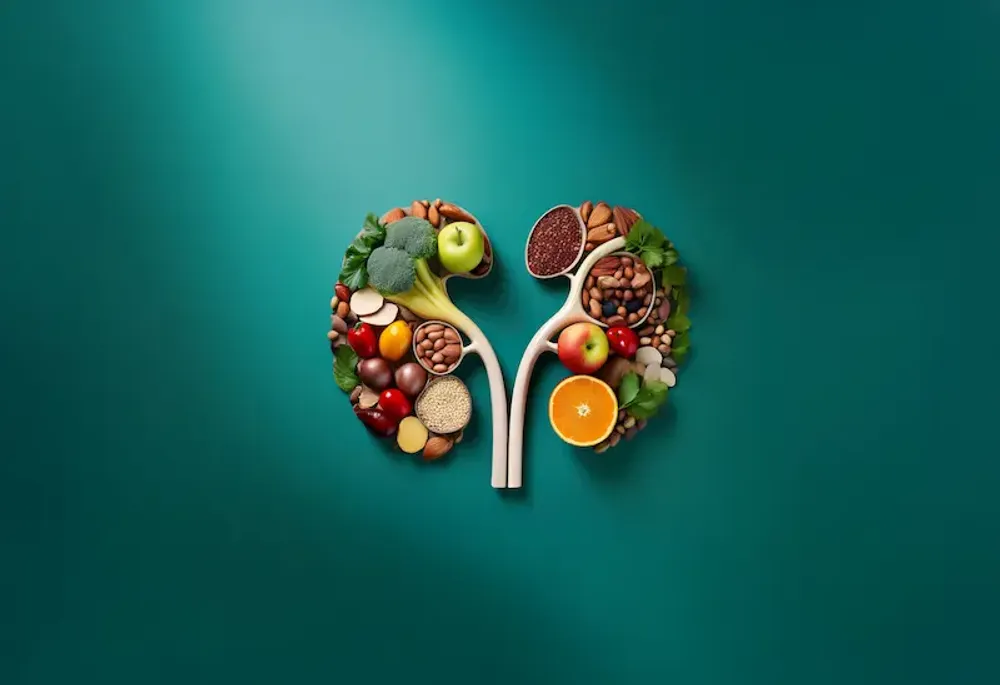

Your kidneys work around the clock without complaint. Here’s how the right foods can quietly protect them — before problems ever start.
✍️ Nutrition-Backed Content | 📖 ~1,000 Words🕐 | 5 Min Read
Most of us don’t think about our kidneys until something goes wrong. And by the time symptoms appear — swelling, fatigue, changes in urination — damage has often already been building for years. The good news is that your kidneys are remarkably responsive to what you eat. The right daily foods can reduce inflammation, lower blood pressure, flush out waste more efficiently, and protect kidney tissue from oxidative damage.
You don’t need a complicated diet plan or expensive supplements. These five foods are affordable, widely available, and backed by solid nutritional science. Adding even two or three of them to your regular meals can make a meaningful difference over time.
Why Kidney Health Deserves More Attention
Your two kidneys filter approximately 200 litres of blood every single day, removing waste products, balancing electrolytes, regulating blood pressure, and producing hormones that support red blood cell production and bone health. Chronic kidney disease affects roughly 1 in 10 people globally — and the majority don’t know they have it until the condition is well advanced. Diet is one of the most powerful — and most overlooked — tools for protecting kidney function long-term.
- 200L Blood filtered daily by kidneys
- 1 in 10 People affected by kidney disease globally
- 90% Of early kidney disease cases show no symptoms
- Diet One of the most controllable kidney risk factors
5 Foods That Support Kidney Health Every Day
These aren’t exotic superfoods. Every one of them is found in any grocery store, fits into a normal family meal, and delivers real, measurable benefits for kidney function when eaten regularly.
1. Blueberries – The Antioxidant Powerhouse
[ Anthocyanins ,Vitamin C, Low Potassium, Low Phosphorus, Anti-inflammatory ]
Blueberries are among the most kidney-friendly fruits you can eat, and they earn that reputation through one specific group of compounds: anthocyanins. These are the pigments that give blueberries their deep blue-purple colour, and they’re powerful antioxidants that protect kidney cells from oxidative stress — a leading driver of kidney tissue damage over time.
What makes blueberries especially valuable for kidney health is not just what they contain, but what they don’t. They’re naturally low in potassium, sodium, and phosphorus — the three minerals that people with compromised kidney function are typically told to limit. This makes blueberries one of the rare fruits that is both beneficial and safe for people already dealing with kidney concerns.
Research published in the Journal of Nutrition found that regular blueberry consumption reduced markers of oxidative stress and inflammation — two processes closely linked to kidney disease progression. A small handful daily, fresh or frozen, is enough to get the benefit.
How to eat →Add to your morning porridge, blend into a smoothie, or eat as a mid-morning snack. Frozen blueberries work just as well as fresh — and are usually cheaper year-round.
Read More– Best Nutrients for Healthy Skin
2. Fatty Fish (Salmon, Mackerel, Sardines)- The Inflammation Fighter
[Omega-3, Fatty Acids, EPA & DHA, High-Quality Protein, Vitamin D]
Chronic inflammation is one of the main mechanisms through which kidney function deteriorates over time. Omega-3 fatty acids — found abundantly in fatty fish like salmon, mackerel, and sardines — are among the most well-studied natural anti-inflammatory compounds in nutrition.
The two key omega-3s in fish, EPA and DHA, help reduce triglyceride levels, lower blood pressure, and reduce systemic inflammation — all of which directly reduce the workload on the kidneys. High blood pressure is one of the two leading causes of kidney damage (alongside diabetes), so anything that consistently lowers it protects kidney function over time.
A landmark study in the American Journal of Kidney Diseases found that higher omega-3 intake was significantly associated with slower progression of kidney disease and reduced proteinuria (protein in the urine — a key marker of kidney damage). Aim for two to three servings of fatty fish per week.
How to eat →Bake or grill salmon with herbs, add tinned sardines to salads, or make a mackerel pâté on wholegrain toast. Avoid deep-frying, which adds unhealthy fats that can counteract the omega-3 benefit.
3. Cauliflower & Cabbage- The Kidney-Friendly Cruciferous Pair
[Indoles, Vitamin C, Folate. Low Potassium, Glucosinolates]
Cauliflower and cabbage belong to the cruciferous vegetable family, and both are standout choices for kidney health for a very specific reason: they’re low in potassium while being high in vitamins, fibre, and anti-inflammatory compounds. For healthy kidneys, potassium isn’t a concern — but choosing vegetables that don’t burden an already-stressed kidney with excess mineral load is genuinely protective.
Cauliflower is rich in indoles — compounds that help neutralise toxins before they reach the kidneys, reducing the filtration burden. Cabbage, particularly red cabbage, contains powerful antioxidants including anthocyanins and polyphenols that reduce inflammation in blood vessels and protect kidney tissue from oxidative stress. Both vegetables also contain fibre that supports gut health, which has a knock-on effect on kidney health via the gut-kidney axis.
Replacing higher-potassium vegetables like potatoes or tomatoes with cauliflower or cabbage a few times a week is one of the simplest, most practical shifts you can make for long-term kidney protection.
How to eat →Steam cauliflower and mash as a potato substitute, roast with olive oil and garlic, or use raw cabbage as a crunchy salad base. Red cabbage stir-fried lightly retains most of its antioxidant content.
4. Olive Oil (Extra Virgin)- The Heart-Kidney Protector
[Oleocanthal. Oleic Acid, Polyphenols, Phosphorus-Free, Vitamin E]
Extra virgin olive oil is one of the most kidney-friendly fat sources available. Unlike many processed cooking oils, it contains zero phosphorus — which is significant because the kidneys are responsible for regulating phosphorus levels in the blood, and chronic high phosphorus intake accelerates kidney function decline in people with compromised kidney health.
The active anti-inflammatory compound in extra virgin olive oil — oleocanthal — works in a remarkably similar way to ibuprofen, inhibiting the same inflammatory enzymes. Research consistently shows that people who consume olive oil regularly have lower rates of cardiovascular disease, and since cardiovascular health and kidney health are deeply interlinked (each organ affects the other), protecting your heart through good fat intake directly protects your kidneys too.
Oleic acid, the predominant fatty acid in olive oil, also helps reduce LDL cholesterol oxidation — a process that contributes to arterial inflammation and reduced blood flow to the kidneys. A consistent daily intake of one to two tablespoons of extra virgin olive oil is associated with meaningful anti-inflammatory benefits.
How to eat →Use as a daily cooking base, drizzle over steamed vegetables, or add to salad dressings. Choose extra virgin (cold-pressed) for maximum polyphenol content — refined olive oil has significantly fewer active compounds.
5. Onions & Garlic- The Flavour Duo With Real Benefits
[Quercetin. Allicin, Low Potassium, Low Sodium, Prebiotic Fibre]
Onions and garlic do double duty: they add flavour to meals without adding sodium (excess salt is one of the biggest dietary threats to kidney health), and they deliver a range of compounds that actively protect the kidneys from inflammation and oxidative damage.
Quercetin, found abundantly in onions — especially red onions — is a potent flavonoid antioxidant with notable anti-inflammatory and anti-hypertensive properties. Studies have shown that quercetin can reduce systolic blood pressure by several points in people with elevated readings. Since high blood pressure is the leading dietary-controllable cause of kidney disease, quercetin’s blood pressure effects are directly kidney-protective.
Read More– Benifits of Raw Garlic on an Empty Stomach
Garlic’s active compound allicin has demonstrated kidney-protective effects in animal and human studies — particularly in reducing inflammation markers and protecting kidney cells from chemical-induced damage. Using onions and garlic as the base of your cooking is one of the simplest ways to make almost any meal more kidney-friendly, while simultaneously reducing your reliance on salt for flavour.
How to eat →Use as the flavour base for soups, stews, stir-fries, and sauces. Raw red onion in salads gives the highest quercetin content. For garlic, crush and rest for 10 minutes before cooking to maximise allicin formation.
4 More Habits That Protect Your Kidneys Daily
Food is just one piece of the picture. These daily habits work alongside a kidney-friendly diet to keep your filtration system in its best possible shape:
1. Stay Well Hydrated
Water is the kidney’s most important working medium. Adequate hydration — typically 6–8 glasses of water daily — helps flush waste products efficiently and reduces the risk of kidney stones. Pale yellow urine is a good indicator of proper hydration.
2. Limit Salt & Processed Foods
Excess sodium raises blood pressure and makes kidneys work harder to filter the blood. Reducing processed foods, takeaways, and added salt is one of the highest-impact changes you can make for long-term kidney health.
3. Move Your Body Daily
Regular moderate exercise — even a 30-minute walk most days — significantly reduces blood pressure, improves insulin sensitivity, and reduces systemic inflammation, all of which directly benefit kidney function.
4. Use Painkillers Carefully
NSAIDs like ibuprofen and naproxen, when used frequently or in high doses, can reduce blood flow to the kidneys and cause long-term damage. Use them sparingly and never as a daily habit without medical guidance.
💡 Simple Swap Worth Making Today One of the easiest, highest-impact changes you can make right now: replace your usual cooking oil with extra virgin olive oil, and start using onions and garlic as the base of your meals instead of reaching for salt and processed seasonings. These two swaps alone reduce sodium intake and increase anti-inflammatory polyphenol consumption with almost zero effort.
⚠️ If You Already Have Kidney Disease The dietary advice in this article is aimed at healthy adults looking to protect kidney function proactively. If you have been diagnosed with chronic kidney disease (CKD), the rules change significantly — particularly around potassium, phosphorus, and protein intake. Always work with a nephrologist and a renal dietitian for personalised dietary guidance specific to your stage of kidney disease. Do not make significant dietary changes without professional advice if you have a diagnosed kidney condition.
Frequently Asked Questions
-
Which foods are worst for kidney health and should be limited?
The biggest dietary threats to kidney health are excessive sodium (salt), high amounts of processed red meat, regular consumption of foods high in phosphorus additives (like cola, processed meats, and fast food), excess sugar and refined carbohydrates (which raise blood pressure and promote diabetes — a leading cause of kidney disease), and overuse of NSAID painkillers. For most healthy adults, it’s not about eliminating any single food but consistently reducing the ones that raise blood pressure, promote inflammation, or increase the kidneys’ filtration burden over time.
-
How much water should I drink to keep my kidneys healthy?
General guidance suggests 6–8 glasses (roughly 1.5–2 litres) of water daily for most healthy adults — though individual needs vary based on body size, activity level, climate, and diet. The simplest real-world guide is to aim for pale yellow urine throughout the day. Dark yellow urine signals dehydration. Adequate hydration helps the kidneys flush out waste products and reduces the risk of kidney stone formation. Contrary to popular belief, drinking excessive amounts of water beyond your needs doesn’t provide additional kidney benefit and can actually cause problems at extreme levels.
-
Can eating the right foods prevent kidney stones?
Yes, diet plays a significant role in kidney stone prevention. For the most common type of stone (calcium oxalate), key dietary strategies include staying well hydrated, reducing sodium intake, eating adequate calcium from food (rather than supplements), and limiting high-oxalate foods like spinach, nuts, and chocolate if you’re prone to stones. Lemon juice or lemon water may also be helpful, as citrate inhibits stone formation. Blueberries and adequate hydration — both mentioned in this article — are genuinely useful for stone prevention. However, stone prevention is highly dependent on the type of stone and your individual risk factors, so a urologist’s guidance is valuable if you’ve had stones before.
-
Is a hight-protein diet bad for the kidneys?
For healthy people with normal kidney function, current evidence suggests that moderate to high protein intake does not cause kidney damage. The kidneys are well-equipped to handle normal protein metabolism in healthy individuals. However, for people who already have reduced kidney function or chronic kidney disease, high protein intake does increase the filtration burden and can accelerate decline. For people with diagnosed kidney disease, protein intake is typically carefully managed as part of their treatment plan. If you’re healthy and have no kidney issues, a balanced protein intake from quality sources — including fish, legumes, and poultry — is not a concern.
-
How quickly can dietary changes improve kidney health?
Some improvements happen relatively quickly. Blood pressure can begin to fall meaningfully within a few weeks of consistently reducing sodium, increasing omega-3 fatty acids, and eating more anti-inflammatory foods like those listed in this article. Inflammatory markers in the blood can show measurable improvement within a month or two of sustained dietary changes. Longer-term structural protection — slowing the gradual decline in glomerular filtration rate that occurs with poor diet and ageing — is a cumulative benefit that builds over months and years of consistent healthy eating. Think of kidney-protective eating as a long game: small, consistent daily choices that compound into meaningful protection over a lifetime.
The Bottom Line
Your kidneys do one of the most important jobs in your body — quietly, continuously, and without asking for much in return. What they do ask for is a diet that doesn’t constantly overwork them.
Blueberries, fatty fish, cauliflower and cabbage, extra virgin olive oil, and onions and garlic aren’t miracle foods. But eaten consistently as part of a balanced diet, they reduce inflammation, lower blood pressure, protect kidney cells from oxidative damage, and ease the burden on your filtration system in ways that genuinely add up over time. Start with one or two swaps this week. Your kidneys will be doing the same quiet, thankless job they always do — just a little more comfortably.