






Dental health plays an essential role in the overall well-being of every individual. With the growing awareness of how oral hygiene influences other health conditions, more people are making it a priority to maintain a proper dental care routine.
This article explores the effective ways to keep your teeth and gums in top shape and how to avoid common dental problems like tooth decay, gum disease, and bad breath. Our detailed look at various solutions will help you maintain a healthy and radiant smile.
Understanding the Importance of Oral Hygiene
The foundation of good oral health starts with understanding the importance of a daily routine. The mouth is the gateway to the body, and its well-being affects digestive health, cardiovascular health, and more. Dental issues can develop into larger problems if neglected, so investing time into a proper oral hygiene regimen is a critical step toward longevity and quality of life.
Plaque, a sticky film of bacteria that forms on the teeth, is the root cause of many dental health problems. If not removed, it hardens into tartar, leading to gum disease and tooth decay. Understanding how plaque develops and the proper methods to eliminate it will greatly contribute to a healthier mouth.
Proper Brushing Technique: The Key to Oral Health
Brushing your teeth is often considered a basic task, but not everyone does it correctly. A thorough brushing technique ensures that you effectively remove plaque and debris, which prevents the build-up of harmful bacteria.
How to Brush Properly:
- Use the Right Toothbrush: It is recommended to use a soft-bristled toothbrush that fits comfortably in your hand and mouth. Electric toothbrushes can also be more effective for some individuals in removing plaque.
- Use Fluoride Toothpaste: Fluoride strengthens tooth enamel and prevents decay, so always opt for toothpaste that contains this essential ingredient.
- Brush Twice Daily: Brushing once in the morning and once before bed helps eliminate bacteria that have built up throughout the day.
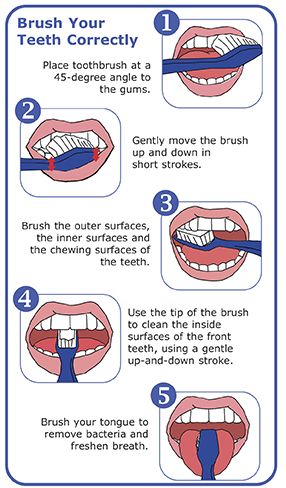
- Follow the Right Angle: Hold the toothbrush at a 45-degree angle towards the gumline, using gentle circular motions to clean the front, back, and chewing surfaces of your teeth.
- Brush for Two Minutes: Ensure you spend at least two minutes brushing to cover every surface, including the tongue, where bacteria tend to accumulate.
The Importance of Flossing: Removing Hidden Plaque
Flossing is one of the most overlooked aspects of oral care, yet it plays an important role in maintaining dental health. Flossing removes food particles and plaque that are stuck between the teeth and cannot be reached by brushing alone. This helps prevent gum inflammation, cavities, and the onset of periodontal disease.
How to Floss Correctly:
- Use about 18 inches of Floss: Wrap the majority around your middle fingers, leaving an inch or two to work with.
- Guide the Floss Gently: Slide the floss between your teeth using a back-and-forth motion. Be careful not to snap it into your gums.
- Curve the Floss: When the floss reaches the gumline, curve it into a C-shape against one tooth, then slide it up and down the side of the tooth. Repeat on each side of every tooth.
- Use a Fresh Section of Floss: For every tooth, shift to a clean section of the floss to avoid transferring plaque back to cleaned areas.
Read More: Understanding the Link Between Oral Hygiene and Heart Health
Mouthwash: An Essential Step for Complete Oral Care
While brushing and flossing are key components of oral hygiene, using an antibacterial mouthwash adds an extra layer of protection. Mouthwash helps to rinse away food particles, reduces bacteria, and fights bad breath. When used in combination with brushing and flossing, mouthwash can significantly improve your oral health.
Benefits of Using Mouthwash:
- Fights Gum Disease: Antibacterial mouthwash kills bacteria that contribute to gingivitis and periodontal disease.
- Freshens Breath: Rinsing with mouthwash after meals or in the morning can prevent bad breath by neutralizing odor-causing bacteria.
- Whitens Teeth: Certain mouthwashes contain ingredients that help remove stains from teeth, contributing to a brighter smile.
- Reduces Plaque: Mouthwash can help reduce plaque build-up, preventing cavities and gum problems.
Diet and Its Impact on Dental Health
What you eat has a direct impact on the health of your teeth and gums. A diet high in sugary foods and drinks can lead to tooth decay, while a balanced diet rich in vitamins and minerals supports stronger teeth.
Foods That Promote Oral Health:
- Dairy Products: Milk, cheese, and yogurt contain calcium and phosphorus, which strengthen tooth enamel and help to neutralize acids produced by bacteria.
- Leafy Greens: Spinach, kale, and other greens are packed with vitamins A, C, and K, which support gum health and the production of saliva, a natural defense against tooth decay.
- Nuts and Seeds: Almonds, walnuts, and chia seeds are high in calcium and help to protect enamel from erosion.
- Fruits and Vegetables: Crunchy foods like apples and carrots help to clean the teeth and stimulate saliva production, which washes away food particles.
- Green Tea: Contains polyphenols that reduce plaque, freshen breath, and prevent gum inflammation.
Read More: Effective Ways to Remove Plaque and Tartar at Home
Understanding the Common Dental Problems
Learning about common dental issues can help you take preventative measures before they become serious problems. Below are some of the most frequent dental conditions and how to avoid them:
Cavities
Cavities, or dental caries, occur when bacteria produce acids that wear down tooth enamel, leading to small holes in the teeth. Cavities can be prevented by regular brushing, flossing, and using fluoride toothpaste. Additionally, reducing sugar intake and visiting the dentist for regular cleanings helps minimize the risk.
Gum Disease
Gum disease, or periodontitis, is an infection of the gums caused by poor oral hygiene. If left untreated, it can lead to tooth loss. Symptoms include swollen, bleeding gums, bad breath, and receding gums. The condition is often reversible in its early stages (gingivitis), but advanced stages require professional treatment.
Tooth Sensitivity
Tooth sensitivity occurs when the protective enamel wears down, exposing the sensitive inner layers of the teeth. This condition can cause pain or discomfort when consuming hot, cold, or sweet foods. Using desensitizing toothpaste and avoiding acidic foods can help alleviate symptoms.
Regular Dental Checkups: Why They’re Non-Negotiable
Even with a solid home care routine, professional cleanings and exams are critical for long-term dental health. Dental professionals can spot problems early on that may not be noticeable until they become severe.
Why Regular Dental Visits Matter:
- Plaque and Tartar Removal: Even with meticulous brushing, plaque can build up in hard-to-reach areas. Professional cleanings remove this plaque and tartar, preventing gum disease and decay.
- Early Detection of Issues: Dentists can identify issues like cavities, gum disease, and oral cancer at early stages, making treatment simpler and more effective.
- X-Rays and Screenings: X-rays can detect hidden problems such as bone loss, impacted teeth, or infections beneath the gums.
The Impact of Habits on Dental Health
Our daily habits have a significant effect on our oral health. Here are some habits to adopt and avoid to ensure a healthy smile.
Healthy Habits:
- Chewing Sugarless Gum: Chewing gum increases saliva production, which helps wash away food particles and neutralize harmful acids.
- Drinking Water: Drinking water, especially after meals, helps rinse away food debris and keeps your mouth hydrated, reducing the risk of decay.
- Eating Fiber-Rich Foods: Foods that are high in fiber stimulate saliva production, which naturally cleans your teeth.
Habits to Avoid:
- Smoking and Tobacco Use: Smoking stains teeth, causes bad breath, and increases the risk of gum disease and oral cancer.
- Excessive Sugar Intake: Sugary snacks and drinks fuel the bacteria in your mouth, leading to decay. Opt for healthier snacks and limit sugary beverages.
- Teeth Grinding (Bruxism): Grinding your teeth, often a result of stress, can wear down enamel and lead to jaw pain. Wearing a mouthguard at night can protect your teeth.
Gum Disease: Does Your Toothpaste Have This Ingredient?

Every American must see THIS urgent video!
Stanford scientists have recently made a shocking discovery…
95% of the toothpaste on the market contains a toxic substance, which is used to increase the shelf life of products…
But it has a horrifying side effect that manufacturers don’t want you to know…
It leads to quick, irreversible tooth decay!
See below the list of toothpastes that contain this ingredient.
You might be using one of them right now!
These Types of Toothpaste Cause Irreversible Tooth Rotting
Q: Why is dental health important for overall well-being?
Dental health affects more than just your teeth. Poor oral hygiene can contribute to infections, inflammation, and other health conditions that impact the body beyond the mouth.
Q: How often should I brush and floss my teeth?
You should brush your teeth twice a day and floss once daily to effectively remove plaque and prevent cavities and gum disease.
Q: Can diet really affect dental health?
Yes. Sugary and acidic foods promote tooth decay, while nutrient-rich foods like dairy, vegetables, and nuts help strengthen teeth and support gum health.
Q: Is mouthwash necessary if I brush and floss regularly?
Mouthwash is not a replacement for brushing and flossing, but it provides extra protection by reducing bacteria, controlling plaque, and freshening breath.
Q: How often should I visit a dentist for checkups?
Most dental professionals recommend dental checkups and cleanings every six months to maintain oral health and detect problems early.
Conclusion: Your Path to a Healthy Smile
Taking care of your teeth and gums is not just about aesthetics; it’s an investment in your overall health. By following a consistent oral hygiene routine, adopting a healthy diet, and visiting your dentist regularly, you can prevent most dental problems and keep your smile looking bright for years to come.
Remember, a little daily effort goes a long way in preserving your dental health, ensuring a lifetime of confident smiles and better quality of life.