




What Is Breast Sagging?
Sagging breasts mean the breasts no longer sit firm and lifted on the chest. You may notice that your breasts sit lower than before. The nipples may point downward instead of forward. The breasts may look less full or less round.
Breast sagging is also called breast ptosis. Many women experience it at different stages of life. It does not only happen with age. Young women can also notice sagging breasts due to lifestyle, weight changes, or pregnancy.
The breasts contain fat, glands, skin, and ligaments. They do not have muscles. Because of this, gravity affects them over time.
How to Check If You Have Sagging Breasts
You can check breast sagging at home using a simple method.
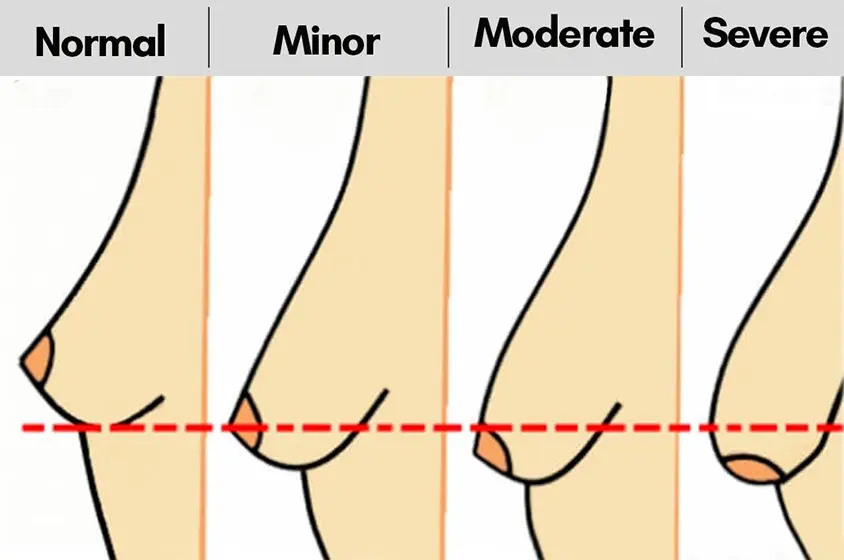
Stand sideways in front of a mirror without clothes. Relax your posture and observe these three points:
- The position of your nipples
- The crease under your breasts
- The middle point of your upper arm
If the nipples sit above the breast crease, sagging is mild.
If the nipples align with the crease, sagging is moderate.
If the nipples sit below the crease or point downward, sagging is more noticeable.
read more: 10-Minute Breast Massage Technique: Benefits, Myths, and Facts
Main Causes of Sagging Breasts
Natural Aging
As you grow older, your skin produces less collagen and elastin. These proteins keep skin firm and stretchy. When they reduce, the skin loses strength. Breast tissue also becomes more fatty and less dense. This change leads to sagging breasts over time.
Smoking
Smoking damages collagen and elastin in the skin. It reduces blood flow and slows skin repair. This damage affects the breasts just like it affects the face and neck. Over time, the skin loses firmness and the breasts begin to droop.
Sun Exposure
Too much sun exposure weakens skin fibers. UV rays damage skin elasticity. The skin on the chest area becomes thinner and looser. This damage increases the risk of sagging breasts, especially when exposure continues for many years.
Weight Fluctuations
Rapid weight gain stretches the skin. Sudden weight loss leaves loose skin behind. The breasts change size quickly during these phases. This stretching weakens the skin and ligaments, which leads to sagging breasts.
Bad Posture
Poor posture puts constant pressure on the breast tissue. Slouching or hunching pulls the breasts downward. Sleeping on the stomach or pressing the breasts while sleeping also adds stress to the tissue. Over time, this pressure causes sagging.
Wearing the Wrong Bra or No Bra
Breasts need proper support. Not wearing a bra allows the ligaments to stretch. Wearing the wrong size also causes damage. High-impact exercise without a sports bra increases movement and strains breast tissue. Tight bras worn for long hours can also restrict blood flow and weaken support.
Causes of Sagging Breasts at a Young Age
Many young women experience sagging breasts earlier than expected. Common reasons include:
- Sudden weight loss or crash dieting
- Early pregnancy
- Poor nutrition
- Smoking
- Lack of chest support during exercise
- Hormonal changes
Sagging breasts at a young age often result from lifestyle habits rather than age alone.
Sagging Breasts After Weight Loss
Weight loss reduces fat in the breasts. When weight drops quickly, the skin does not tighten fast enough. This leads to loose skin and sagging breasts. Gradual weight loss helps reduce this effect, but rapid loss increases sagging risk.
Sagging Breasts After Breastfeeding
During breastfeeding, the breasts enlarge and stretch. After breastfeeding ends, the glands shrink. The skin may not return to its original firmness. This change can lead to sagging breasts, especially after multiple pregnancies or long breastfeeding periods.
Sagging Breasts After Exercise
Exercise does not directly cause sagging breasts. However, high-impact workouts without proper support can strain breast ligaments. Running or jumping without a sports bra increases breast movement. Over time, this movement contributes to sagging breasts.
Sagging Breasts in Early Pregnancy
Hormonal changes start early in pregnancy. The breasts grow rapidly to prepare for milk production. This sudden growth stretches the skin and ligaments. Some women notice sagging breasts even in early pregnancy due to this change.
Sagging Breasts After Pregnancy
After pregnancy, breast size reduces again. The skin may not shrink back fully. This process causes loose skin and sagging breasts. Weight changes and breastfeeding increase this effect.
Sagging Breasts After Menopause
After menopause, estrogen levels drop. This hormone helps maintain skin strength. Lower estrogen leads to thinner skin and loss of firmness. Fat distribution also changes. These factors make sagging breasts more noticeable after menopause.
read More: How Long Do Breasts Take to Grow? Understanding the Journey of Breast Development
Why Some Women Experience More Sagging Than Others
The level of sagging breasts varies from woman to woman. Key factors include:
- Genetics
- Breast size
- Skin quality
- Lifestyle habits
- Physical activity
Larger breasts tend to sag more due to weight. Poor lifestyle habits also speed up sagging.
Final Thoughts on Sagging Breasts
Sagging breasts are common and natural. They can happen at any age. Lifestyle choices, weight changes, pregnancy, and aging all play a role. Understanding the causes helps you take better care of your body and make informed choices.
What causes sagging breasts?
Sagging breasts happen when skin and ligaments lose strength. Aging, gravity, weight changes, pregnancy, breastfeeding, smoking, and poor posture all contribute to sagging breasts over time.
Do sagging breasts mean poor health?
No, sagging breasts do not indicate poor health. Breast sagging is a physical change and does not reflect illness or disease.
Is breast sagging normal after breastfeeding?
Yes, sagging breasts after breastfeeding are common. Breast size increases during breastfeeding and decreases afterward. This change stretches the skin and ligaments.
Do larger breasts sag more than smaller breasts?
Yes, larger breasts tend to sag more due to heavier weight pulling on skin and ligaments over time.
Can posture affect breast sagging?
Yes, poor posture can worsen sagging breasts. Slouching places extra tension on breast tissue and increases downward pull over time.