





Caffeine is one of the most widely consumed stimulants in the world. From morning coffee to afternoon tea and energy drinks, millions of people rely on it daily. But when regular use turns into dependence, caffeine addiction can quietly impact your sleep, mood, and overall health.
Understanding how caffeine addiction develops—and how to reduce intake safely—is essential for long-term wellness.
What Is Caffeine Addiction?
Caffeine addiction occurs when the body becomes dependent on caffeine to function normally. Over time, the brain adapts to frequent caffeine intake, making you feel tired, irritable, or unfocused without it.
While caffeine addiction is not classified the same way as drug addiction, it can still cause physical dependence and withdrawal symptoms, especially with daily high intake.
Common Signs of Caffeine Addiction
You may be dealing with caffeine addiction if you experience:
- Headaches without coffee or tea
- Fatigue or brain fog when skipping caffeine
- Irritability or low mood
- Difficulty concentrating
- Trouble sleeping or insomnia
- Needing more caffeine to feel the same effect
Many people don’t realize these symptoms are linked directly to caffeine dependence.
How Much Caffeine Is Too Much?
Moderate caffeine intake is generally considered safe for most adults. However, consuming large amounts daily — especially from energy drinks, strong coffee, or pre-workout supplements—increases the risk of addiction and side effects.
Caffeine sensitivity varies, meaning some people experience symptoms even at lower doses.
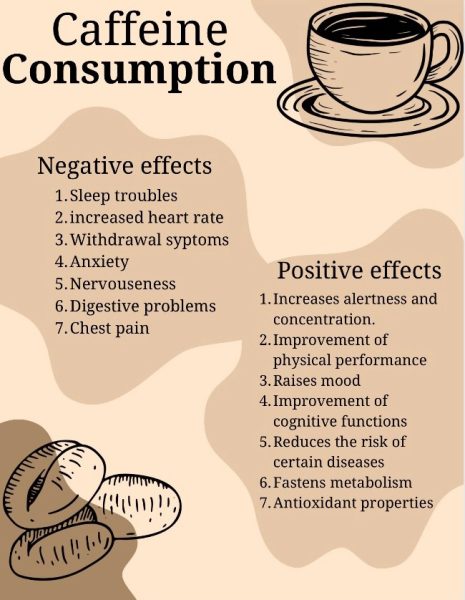
Side Effects of Too Much Caffeine
Excessive caffeine intake can lead to:
- Anxiety and restlessness
- Rapid heartbeat
- Digestive discomfort
- Increased stress hormones
- Poor sleep quality
Long-term overuse may worsen anxiety disorders and interfere with natural energy cycles.
Caffeine Withdrawal Symptoms
When caffeine intake suddenly stops, withdrawal symptoms may appear within 12–24 hours and can last several days.
Common caffeine withdrawal symptoms include:
- Headaches
- Extreme fatigue
- Mood swings
- Difficulty focusing
- Muscle aches
These symptoms are uncomfortable but temporary.
How to Quit Caffeine Safely
Reduce Intake Gradually
Cutting back slowly helps minimize withdrawal symptoms. Try reducing your caffeine intake by 25% every few days.
Replace with Healthier Alternatives
Switch to:
- Herbal teas
- Decaffeinated coffee
- Warm lemon water
- Low-caffeine green tea
Improve Sleep Naturally
Better sleep reduces reliance on caffeine. Focus on consistent bedtimes, limiting screen use at night, and managing stress.
Stay Hydrated
Dehydration can worsen fatigue and headaches. Drinking enough water helps your body adjust during caffeine reduction.
Is Caffeine Addiction Serious?
Caffeine addiction is common and manageable, but ignoring it can affect mental health, sleep patterns, and energy levels long-term. Becoming aware of consumption habits is the first step toward balance.
Final Thoughts
Caffeine can be a useful stimulant when consumed mindfully, but dependence can sneak up over time. Recognizing the signs of caffeine addiction and taking steps to reduce intake safely can improve energy, mood, and overall health—without sacrificing productivity.