

Smoothies have become one of the most popular tools for weight loss—and for good reason. When prepared correctly, smoothies for weight loss can support calorie control, improve nutrient intake, and make healthy eating more convenient. However, not all smoothies help with fat loss. Some can actually slow progress if they are high in sugar or low in protein.
In this guide, we’ll explain how healthy smoothies for weight loss work, when meal replacement shakes for weight loss make sense, and how to build smoothies that support real, sustainable results—backed by nutrition science, not trends.
Why Smoothies Can Support Weight Loss
Weight loss depends on one core principle: consistently consuming fewer calories than your body uses, while still meeting nutritional needs. Smoothies can help because they are:
- Easy to control portions
- Rich in fiber, protein, and micronutrients
- Simple to digest
- Convenient for busy schedules
When smoothies replace high-calorie, low-nutrient meals or snacks, they can support a calorie deficit without leaving you feeling deprived.
Read More: (Exposed) Why Women Are Using Smoothies Diet To Loose Weight And Look Years Younger
Smoothies vs. Meal Replacement Shakes: What’s the Difference?
Although often grouped together, smoothies and meal replacement shakes serve different purposes.
Smoothies for Weight Loss
These are usually homemade and made with whole ingredients such as:
- Fruits
- Vegetables
- Protein sources
- Healthy fats
They allow flexibility and customization but require balance to avoid excess calories.
Meal Replacement Shakes for Weight Loss
These are formulated products designed to replace a full meal. When used correctly, they provide:
- Controlled calories
- Balanced protein, carbs, and fats
- Added vitamins and minerals
Meal replacement shakes can be useful for people who struggle with portion control or meal planning, but they should not replace all meals long-term.
Ready to Start Your 21-Day Metabolic Reset?
Click on the presentation below to watch the official video breakdown, complete with custom recipes, shopping lists, and the exact daily routine schedules.
 Watch The Free Video Presentation »
Watch the full scientific explanation by clicking the screen above.
Watch The Free Video Presentation »
Watch the full scientific explanation by clicking the screen above.
The Science Behind Healthy Smoothies for Weight Loss
Protein and Satiety
Protein increases feelings of fullness by influencing hunger hormones like ghrelin and peptide YY. Studies show that higher protein intake helps reduce overall calorie consumption throughout the day.
Including protein in smoothies:
- Reduces hunger
- Preserves muscle mass during weight loss
- Supports metabolic health
Fiber and Blood Sugar Control
Fiber slows digestion and stabilizes blood sugar levels. Smoothies that include whole fruits, vegetables, seeds, or oats provide fiber that helps prevent energy crashes and cravings.
Calorie Density Matters
Liquids are easier to consume than solid foods, so calorie-dense smoothies can lead to overeating. Weight-loss smoothies should be:
- Nutrient-dense
- Moderate in calories
- Balanced in macronutrients
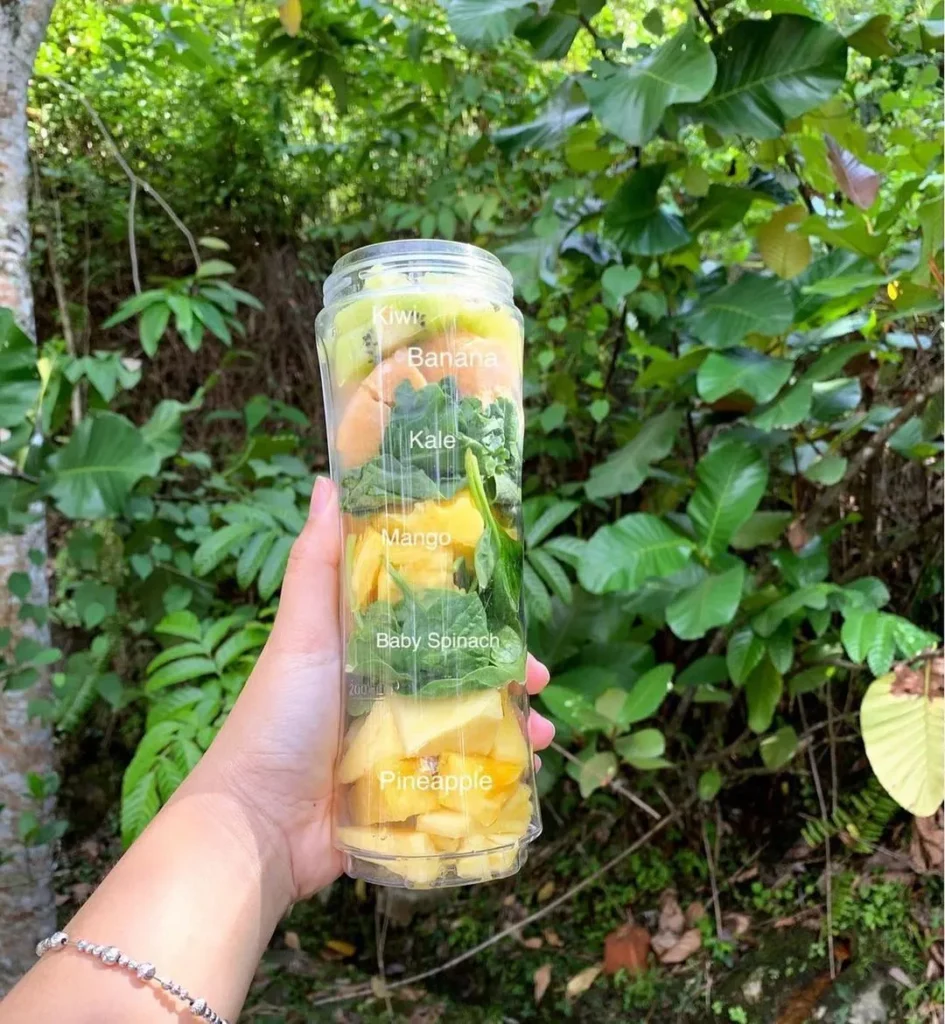
What Makes a Smoothie Good for Weight Loss?
A healthy weight-loss smoothie should include all three macronutrients.
1. Protein (Most Important)
Aim for 20–30 grams of protein per smoothie.
Good options:
- Greek yogurt
- Protein powder (whey or plant-based)
- Cottage cheese
- Tofu
- Nut butter (in small amounts)
2. Fiber-Rich Carbohydrates
Choose whole-food sources:
- Berries
- Spinach
- Kale
- Chia seeds
- Flaxseeds
- Oats (small portions)
Avoid fruit juice and sweetened syrups.
3. Healthy Fats (Optional but Helpful)
Fats improve satiety and nutrient absorption.
Examples:
- Avocado
- Chia seeds
- Flaxseeds
- Almond butter
Use small portions to keep calories controlled.
Read More: A Beginner’s Guide to Transforming Health with Keto
Smoothies for Weight Loss: Ingredients to Limit or Avoid
Some smoothie ingredients work against fat loss.
Avoid or limit:
- Fruit juices
- Sweetened yogurt
- Flavored protein powders with added sugar
- Honey, syrups, or dates in large amounts
- Excess bananas or mangoes
These increase calorie load without improving fullness.
Meal Replacement Shakes for Weight Loss: When Do They Work Best?
Meal replacement shakes can support weight loss when used intentionally.
They work best when:
- Replacing a high-calorie meal
- Used once per day, not all meals
- Paired with whole-food meals later
- Combined with resistance or strength training
They are especially helpful for:
- Busy professionals
- People starting a structured weight-loss plan
- Those who struggle with portion sizes
However, relying entirely on shakes long-term can reduce dietary variety and satisfaction.
Are Smoothie Diets Safe?
Short-term smoothie-based plans may lead to weight loss, but long-term success requires real food balance.
Potential risks of relying only on smoothies:
- Low protein intake
- Reduced chewing satisfaction
- Micronutrient gaps
- Loss of muscle mass
The most sustainable approach uses smoothies as part of a balanced diet, not a replacement for all meals.
Best Times to Use Smoothies for Weight Loss
Smoothies are most effective when used strategically.
Good times include:
- Breakfast replacement
- Post-workout meal
- Afternoon hunger control
- Occasional dinner replacement
They are less effective as constant snacks throughout the day.
Sample Weight-Loss Smoothie Structure (No Recipe Claims)
Use this structure to build your own smoothie:
- Protein source (20–30g)
- 1 cup leafy greens
- ½–1 cup berries
- 1 tablespoon seeds or healthy fat
- Unsweetened liquid (water, almond milk)
This balance supports fullness, energy, and fat loss.
Common Mistakes with Weight-Loss Smoothies
Many people unknowingly stall progress.
Common mistakes:
- Treating smoothies as unlimited calories
- Skipping protein
- Adding too many fruits
- Drinking smoothies too quickly
- Using smoothies in addition to meals instead of replacing them
Awareness makes all the difference.
Scientific Verdict: Do Smoothies Help with Weight Loss?
Yes—when done correctly.
Smoothies and meal replacement shakes support weight loss by:
- Improving calorie control
- Increasing protein and fiber intake
- Reducing decision fatigue around meals
- Supporting consistency
They are tools—not magic solutions.
Long-term weight loss still depends on:
- Overall calorie balance
- Nutritional quality
- Physical activity
- Consistency
FAQ
Q: Are smoothies good for weight loss?
Yes, smoothies can support weight loss when they are balanced with protein, fiber, and controlled calories. Smoothies work best when they replace a high-calorie meal rather than being added on top of regular meals.
Q: What makes a smoothie healthy for weight loss?
A healthy weight-loss smoothie includes a good protein source, fiber-rich ingredients like fruits or vegetables, and minimal added sugars. This balance helps control hunger and stabilize blood sugar levels.
Q: Can meal replacement shakes help with weight loss?
Meal replacement shakes can help with weight loss when used once per day and combined with whole-food meals. They offer portion control and nutrient balance but should not replace all meals long-term.
Q: Is it okay to drink smoothies every day?
Yes, daily smoothies are safe if they are nutritionally balanced and part of a varied diet. Relying only on smoothies without solid foods may lead to nutrient gaps over time.
Q: Why do some smoothies slow weight loss?
Smoothies can slow weight loss when they contain too much sugar, fruit juice, or added calories and lack protein. Liquid calories are easy to overconsume, making portion control important.
Q: When is the best time to drink a smoothie for weight loss?
Smoothies work best as a breakfast replacement, post-workout meal, or occasional dinner substitute. Drinking them between meals without replacing food may increase total calorie intake.
Q: Can smoothies help reduce cravings?
Yes, smoothies with enough protein and fiber can increase fullness and reduce cravings, especially for sugary or processed snacks.
Final Thoughts
Smoothies for weight loss can be effective, practical, and enjoyable when built with intention. Healthy smoothies for weight loss focus on protein, fiber, and calorie control—not sweetness. Meal replacement shakes for weight loss can help simplify routines but should complement real food, not replace it entirely.
The goal is not perfection. It’s creating habits that are easy to maintain, nourishing, and supportive of long-term health.
Ready to Start Your 21-Day Metabolic Reset?
Click on the presentation below to watch the official video breakdown, complete with custom recipes, shopping lists, and the exact daily routine schedules.
Watch The Free Video Presentation »
Watch the full scientific explanation by clicking the screen above.
you’re truly a good webmaster. The web site loading velocity
is incredible. It seems that you are doing any unique trick.
Also, The contents are masterwork. you’ve done a wonderful job on this matter!