
In a world driven by constant notifications, breaking news, and endless to-do lists, meditation is no longer optional—it’s essential. Across the USA and UK, more people are turning to meditation not for spirituality alone, but for mental clarity, emotional balance, and resilience in daily life.
This post explores a random yet critically important meditation topic:
👉 Meditation as a tool for mental clarity in an overstimulated world
The Overstimulation Problem in Modern Life
From smartphones to 24/7 media cycles, our brains are rarely at rest. Research consistently shows that chronic mental stimulation contributes to:
- Anxiety and overthinking
- Difficulty focusing
- Poor sleep quality
- Emotional exhaustion
Meditation directly counteracts this overload by training the mind to pause, observe, and reset.
What Is Mental Clarity Meditation?
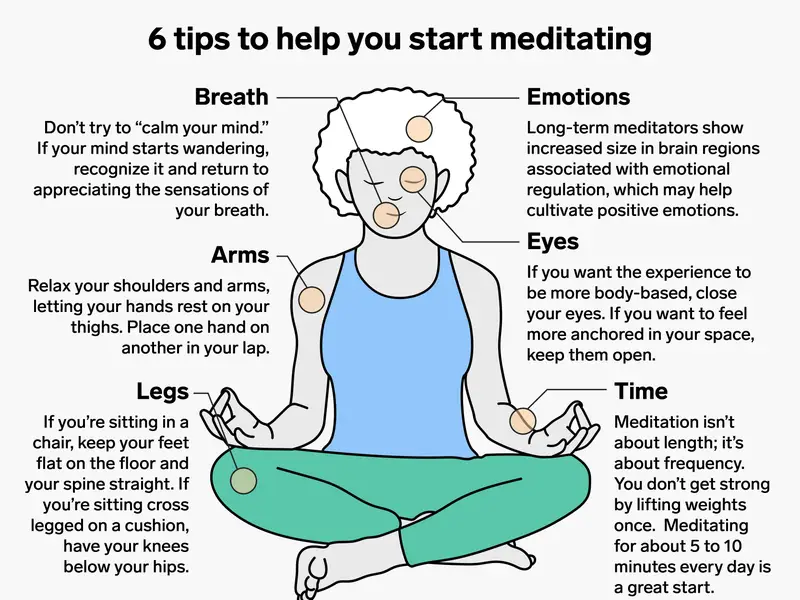
Mental clarity meditation is not about “emptying the mind.” Instead, it focuses on:
- Observing thoughts without judgment
- Gently returning attention to the breath
- Creating space between stimulus and reaction
This style of meditation is widely taught in mindfulness-based practices and supported by platforms such as Headspace and Calm, which are popular across both US and UK audiences.
Why Mental Clarity Matters More Than Ever
Better Decision-Making
Meditation improves awareness, helping you respond thoughtfully rather than react impulsively—especially useful in high-pressure work environments.
Emotional Regulation
By noticing thoughts without attachment, meditation reduces emotional swings and builds inner stability.
Improved Focus and Productivity
Regular practice strengthens attention span, making it easier to concentrate deeply on tasks without distraction.
A Simple 5-Minute Mental Clarity Meditation
You don’t need special equipment or experience.
Step-by-step practice:
- Sit comfortably and close your eyes
- Inhale slowly through your nose for 4 seconds
- Exhale gently for 6 seconds
- When thoughts arise, label them “thinking” and return to the breath
- Continue for 5 minutes
Practicing once or twice daily can create noticeable improvements within weeks.
Meditation Myths That Hold People Back
“I don’t have time.”
→ Even 3–5 minutes is effective.
“My mind is too busy.”
→ That’s exactly why meditation works.
“It’s only for spiritual people.”
→ Meditation is now widely used in healthcare, sports psychology, and corporate wellness programs.
How Meditation Fits Into Western Lifestyles
In both the USA and UK, meditation is increasingly integrated into:
- Workplace wellness initiatives
- Mental health therapy
- Athletic performance training
- Education systems
This shift reflects a growing understanding that mental clarity is foundational to success, health, and happiness.
Final Thoughts: Stillness Is a Skill
Meditation is not an escape from life—it’s training for life. In an overstimulated world, the ability to pause, breathe, and see clearly may be one of the most valuable skills you can develop.
Start small. Stay consistent. Let clarity follow.
What is meditation for mental clarity?
Meditation for mental clarity is a mindfulness practice that helps calm mental noise, improve focus, and create awareness of thoughts without judgment. It allows the mind to reset and function with greater balance.
How does meditation improve mental clarity?
Meditation improves mental clarity by training your attention. By focusing on the breath or present moment, the brain becomes less reactive, making it easier to think clearly, manage emotions, and reduce mental overload.
When is the best time to meditate for mental clarity?
Morning meditation helps set a calm, focused tone for the day, while evening meditation helps release mental tension and improve sleep. The best time is when you can practice consistently.
Can meditation improve focus and productivity?
Yes. Meditation improves concentration by training sustained attention. Many people find they work more efficiently and feel less mentally drained after developing a regular meditation practice.