
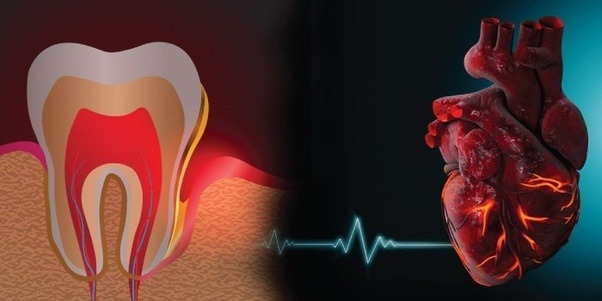
Taking care of your mouth isn’t just about having a bright smile or fresh breath—it also plays an important role in keeping your heart healthy. Many people are unaware that oral health and heart health are closely connected, and poor oral hygiene can increase the risk of heart disease.
In this article, we explore the connection between oral hygiene and heart health, the science behind it, and practical steps you can take to protect both. This guide is designed to provide clear and helpful information for Canadian readers on how proper oral hygiene can support long-term heart health.
The Connection Between Oral Hygiene and Heart Health
Research has shown that there is a strong connection between oral health and heart health. The mouth is full of bacteria, some of which are good, and some of which can be harmful if not kept in check. If oral hygiene is neglected, harmful bacteria can build up in the mouth, leading to gum disease and infections. These oral health problems can have far-reaching effects on the heart and overall cardiovascular system.
1. Gum Disease and Inflammation
Gum disease, also known as periodontal disease, is one of the most common oral health problems linked to heart health issues. When plaque builds up along the gumline, it can cause gum inflammation and infection. If left untreated, gum disease can progress to periodontitis, a severe form of gum disease that can damage the tissues and bones that support your teeth. Chronic gum inflammation can also lead to a systemic inflammatory response that affects blood vessels and the heart.
Inflammation is a key factor in many heart conditions. When the gums are inflamed, inflammatory markers can enter the bloodstream, contributing to the formation of plaque in the arteries. This plaque buildup can narrow the arteries, making it harder for blood to flow to the heart, which increases the risk of heart attacks and strokes.
2. Bacteria Entering the Bloodstream
Gum disease can also cause bacteria from the mouth to enter the bloodstream. Once in the blood, these bacteria can travel to different parts of the body, including the heart. This can lead to a condition called endocarditis, an infection of the lining of the heart. Endocarditis can be a serious condition, especially for individuals with pre-existing heart problems or weakened immune systems.
Bacteria from the mouth can also contribute to the buildup of fatty deposits in the arteries, which can further increase the risk of heart disease and other cardiovascular issues. This is why maintaining good oral hygiene is not only important for your teeth but also for your heart.
3. Risk Factors for Both Gum Disease and Heart Disease
There are several shared risk factors for both gum disease and heart disease, which is why people with poor oral health may be more likely to develop heart problems. Some of these risk factors include:
- Smoking: Smoking is a major risk factor for both gum disease and heart disease. It weakens the immune system, making it harder for the body to fight infections in the gums and increasing the risk of heart problems.
- Diabetes: People with diabetes are more prone to infections, including gum disease. Gum disease, in turn, can make it more difficult to control blood sugar levels, which can increase the risk of heart disease.
- Poor Diet: A diet high in sugar and low in essential nutrients can lead to gum disease and contribute to the development of heart disease. Eating a balanced diet is important for maintaining both oral health and heart health.
Read More: Insomnia Remedies That Help You Sleep Naturally
How to Protect Your Oral Health and Heart Health
The good news is that taking care of your mouth can help protect your heart as well. Here are some tips from Dental Hygienist Deepak Kansal to help maintain good oral hygiene and support heart health:
1. Brush Your Teeth Twice a Day
Brushing your teeth twice a day with fluoride toothpaste is essential for removing plaque and keeping harmful bacteria under control. Use a soft-bristled toothbrush and brush for at least two minutes each time. Make sure to brush along the gumline to prevent gum disease.
2. Floss Daily
Flossing is important for removing plaque and food particles from between your teeth and along the gumline. Flossing once a day can help prevent plaque buildup and reduce the risk of gum disease. Healthy gums are key to maintaining both oral health and heart health.
3. Use Antibacterial Mouthwash
Using an antibacterial mouthwash can help reduce the bacteria in your mouth and prevent gum disease. Choose an alcohol-free mouthwash to avoid drying out your mouth. Rinse with mouthwash after brushing and flossing for extra protection.
4. Eat a Heart-Healthy Diet
A balanced diet is important for both oral health and heart health. Eat plenty of fruits, vegetables, whole grains, lean proteins, and dairy products to keep your teeth and gums healthy. Foods that are high in antioxidants and omega-3 fatty acids, such as leafy greens and fatty fish, can also help reduce inflammation in the body, including the gums and blood vessels.
Avoid sugary snacks and drinks, as they can contribute to tooth decay and increase your risk of heart disease.
5. Avoid Smoking
Smoking is one of the biggest risk factors for both gum disease and heart disease. Quitting smoking can significantly reduce your risk of developing these health problems and improve your overall well-being. Talk to your healthcare provider about resources and support to help you quit smoking.
6. Visit Your Dental Professional Regularly
Regular dental check-ups and cleanings are essential for maintaining good oral health. Dental Hygienist Deepak Kansal recommends professional cleanings at least twice a year to remove plaque and tartar that cannot be removed at home. Your dental professional can also check for early signs of gum disease and provide treatment before it becomes more serious.
7. Manage Stress
Chronic stress can have negative effects on both oral health and heart health. Stress can lead to teeth grinding (bruxism), which can damage teeth and gums. It can also contribute to inflammation in the body, increasing the risk of gum disease and heart disease. Practice stress-reducing activities like exercise, meditation, or spending time with loved ones to support both your oral health and heart health.
When to See a Dental Professional
If you notice signs of gum disease, such as red, swollen, or bleeding gums, it is important to consult a dental professional. Early treatment can help prevent gum disease from progressing and affecting your heart health. Additionally, if you experience persistent bad breath, tooth pain, or other oral health issues, seek professional care to address the problem.
FAQ
Q: Can poor oral hygiene really affect heart health?
Yes. Poor oral hygiene can allow harmful bacteria to enter the bloodstream, which may increase inflammation and contribute to heart-related conditions.
Q: How does gum disease increase the risk of heart disease?
Gum disease causes chronic inflammation, and inflammatory markers can affect blood vessels, increasing the risk of plaque buildup in the arteries.
Q: Can brushing and flossing help protect my heart?
Regular brushing and flossing help control oral bacteria and reduce gum inflammation, which supports both oral and heart health.
Q: Who is at higher risk of heart problems related to oral health?
People who smoke, have diabetes, eat a poor diet, or neglect dental care may face a higher risk of both gum disease and heart disease.
Q: How often should I visit a dental professional for heart health support?
Most dental professionals recommend check-ups and cleanings at least twice a year to maintain oral health and detect early signs of gum disease.
Conclusion
Maintaining good oral hygiene is an important part of keeping your heart healthy. By taking care of your teeth and gums, you can reduce inflammation, prevent harmful bacteria from entering your bloodstream, and lower your risk of heart disease. Remember to brush and floss regularly, eat a balanced diet, avoid smoking, and visit your dental professional for regular check-ups.