
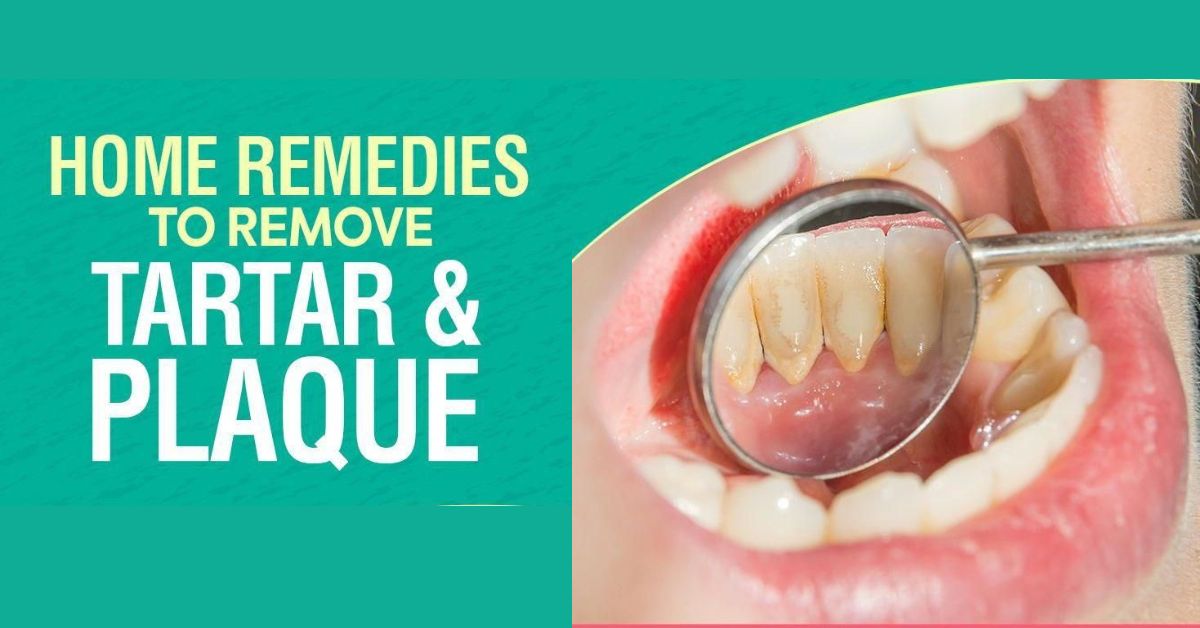
Have your teeth ever looked a bit yellow and made you shy away from smiling? You’re not the only one—Many people experience plaque buildup and feel self-conscious about it at some point.
If you’ve been wondering how to get your teeth looking white again, the first step is to understand what causes those stains in the first place, and what you can safely do at home to control them.
What Is Plaque?
First of all, in the mouth, Plaque is a mixture of bacteria, food particles and saliva components stuck on a thin film called the pellicle that coats your teeth shortly after brushing. Think of the pellicle as a two-sided tape on your teeth.
The bacteria in plaque feed on sugars from food and release acids that can damage tooth enamel and irritate the gums. If plaque is not removed regularly through brushing and flossing, it can lead to:
- Bad breath
- Tooth decay
- Early gum disease
- Tooth sensitivity or pain
What Is Tartar?
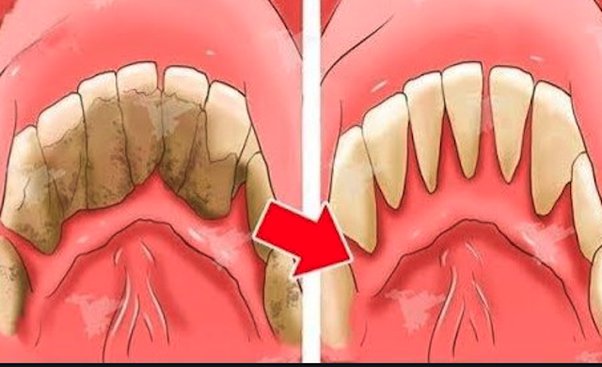
Tartar is hardened dental plaque that can form on your teeth, both above and below your gum line and lead to gum disease and other oral health issues.
Everybody gets plaque But unless you remove it with proper oral hygiene, plaque can harden into tartar. The plaque hardens because of the deposit of minerals from saliva and gingival fluid in plaque on the teeth.
This process of deposit kills the bacteria within dental plaque, but the rough and hardened surface of the tartar serves as an ideal one for extended plaque development. The health of your gums compromises because of the calculus buildup.
Unlike plaque, you can’t remove tartar with brushing and flossing.
How to Remove Tartar from Teeth
Removing tartar from teeth typically requires professional dental care, as it is a hardened form of plaque that cannot be removed by regular brushing and flossing. Here are several methods to help manage tartar buildup:
At-Home Care
- Regular Brushing: Brush your teeth at least twice a day using fluoride toothpaste. Use a soft-bristled toothbrush and make sure to brush for at least two minutes, covering all surfaces of your teeth.
- Floss Daily: Flossing helps remove plaque and food particles between teeth, preventing tartar buildup in those areas.
- Use Tartar-Control Toothpaste: Some toothpaste is specifically designed to help prevent tartar buildup. Look for products that have the American Dental Association (ADA) Seal of Acceptance.
- Use Antibacterial Mouthwash: An antibacterial mouthwash can reduce plaque-causing bacteria and support overall oral hygiene.
Dietary Choices
- Limit Sugary and Starchy Foods: Sugar feeds plaque bacteria. Reducing the intake of sugary snacks and drinks can help minimize plaque formation.
- Stay Hydrated: Water helps rinse away food debris and supports saliva production, which naturally protects teeth. Drinking plenty of water can help wash away food particles and bacteria in your mouth.
Regular Dental Checkups
Even with good home care, tartar can still form. Professional dental cleanings remove hardened plaque safely and help detect gum disease early. Most dental professionals recommend checkups and cleanings every six months.
Important Note on Home Remedies
While some home remedies (like baking soda or vinegar) are sometimes suggested for tartar removal, they may not be effective and can potentially damage tooth enamel if used improperly. Always consult with a dentist for the best advice tailored to your dental health.
Read More: Understanding the Link Between Oral Hygiene and Heart Health
An Extra Natural Way to Remove Tartar at Home: Fruit Juice Rins
Certain fruits contain natural compounds that help break down bacterial biofilms.
Swill your mouth with pineapple juice or unsweetened cranberry juice, leave for a minute (just swallow the juice), then rinse with water.
Both pineapple and cranberry juice contain natural enzymes and phenolic compounds which break down bacterial biofilms. The plaque will literally start crumbling away in minutes.
Important precautions:
- Do not brush your teeth for at least one hour afterward, as the natural acids may temporarily soften enamel.
- Use this method occasionally—not daily.
- Avoid citrus juices like orange juice, which lack these properties and may increase enamel erosion.
Eating whole berries regularly may also support oral health, though the effect is milder than juice.
FAQ
Q: Can plaque really be removed at home?
Yes. Plaque is soft and can be removed at home with regular brushing, flossing, and good oral hygiene habits before it hardens into tartar.
Q: Can tartar be removed at home without a dentist?
No. Once plaque hardens into tartar, it requires professional dental cleaning. Home care can only help prevent further buildup.
Q: How long does it take for plaque to turn into tartar?
Plaque can begin hardening into tartar within 24 to 72 hours if not removed through proper brushing and flossing.
Q: Are natural remedies safe for removing tartar?
Some natural methods may help weaken plaque, but they cannot remove tartar and may damage enamel if used incorrectly. Professional advice is recommended.
Q: How often should I get professional dental cleanings?
Most dental professionals recommend cleanings every six months to safely remove tartar and maintain good oral health.
Final Thoughts
Plaque is a natural buildup that everyone experiences, but it can be controlled with consistent oral hygiene and healthy habits. While tartar requires professional removal, good daily care can prevent plaque from hardening and protect your teeth and gums.
Brush and floss regularly, watch your diet, stay hydrated, and maintain routine dental visits. These simple steps go a long way toward keeping your smile healthy and confident.